

Uppsala
Flustret
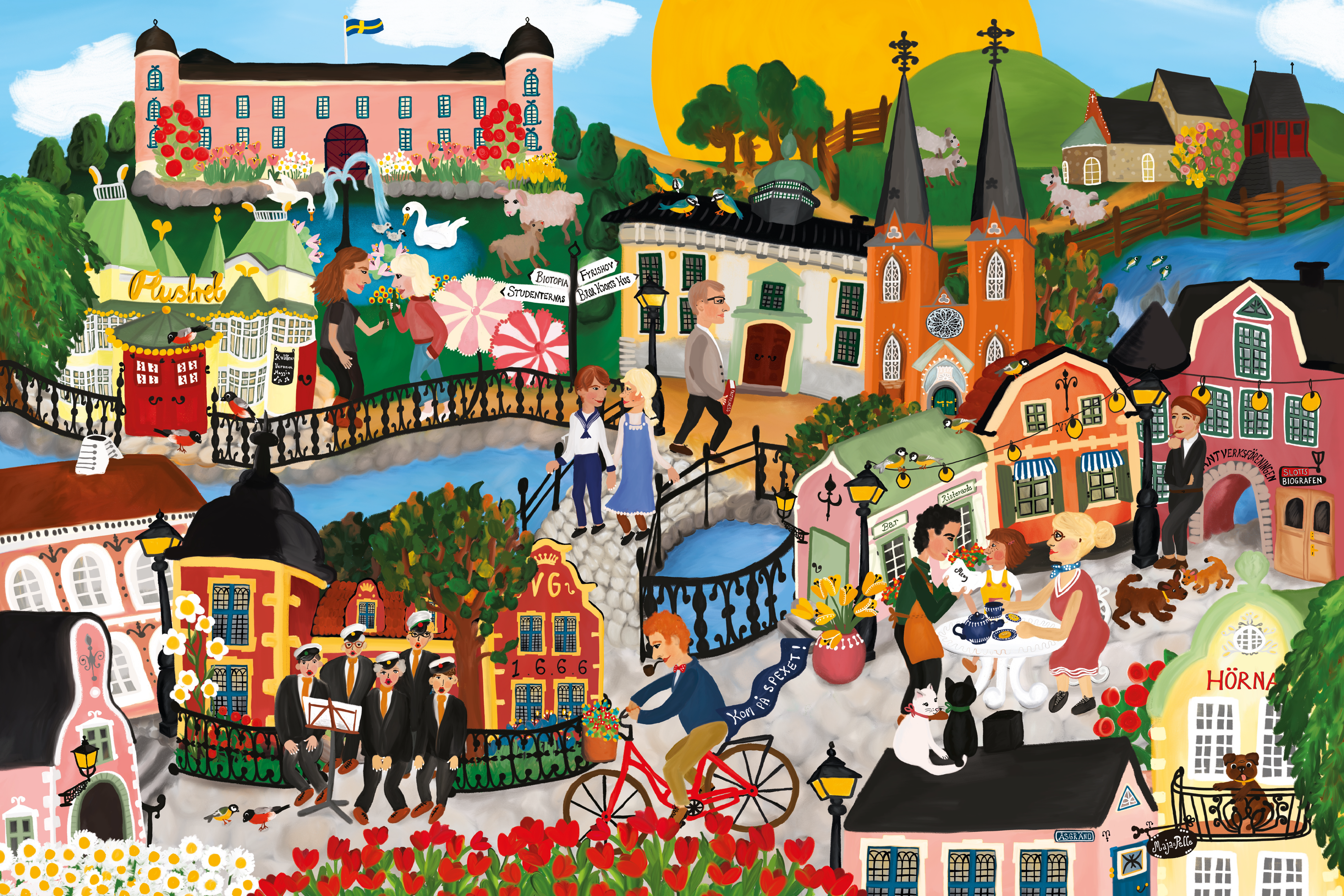
Flustret opened its doors in 1842 as Strömparterrens Schweizeri, but soon earned the nickname Flustret (Swedish for "beehive entrance") after its veranda, which resembled the entrance to a beehive. In the 1870s, the building was renovated and transformed into a lively entertainment venue. Since then, Uppsala residents, royalty, and famous guests have been drawn here for generations – and Flustret continues to thrive next to Svandammen (Swan Pond) to this day.
Uppsala
Old Uppsala
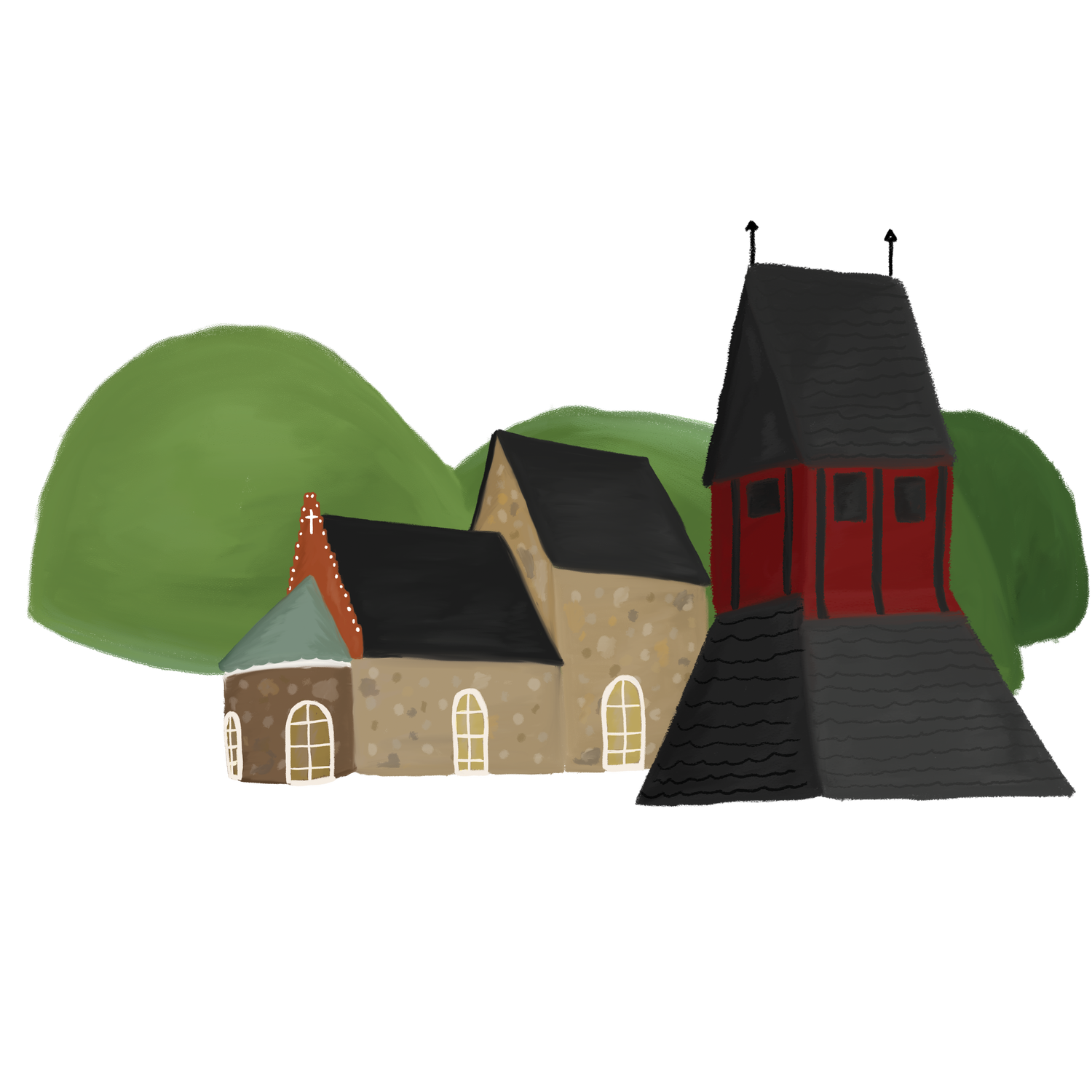
The three Royal Mounds in Gamla Uppsala are impressive graves from the 6th century - probably erected for ancient Svea kings. At that time, the site was one of the most powerful centres of power in the Nordic region. In the 12th century, the area was Christianised and became Sweden's first archbishopric. Today, Gamla Uppsala is considered one of the country's most significant ancient monumental areas.
Uppsala
Grand Hotel Hörnan
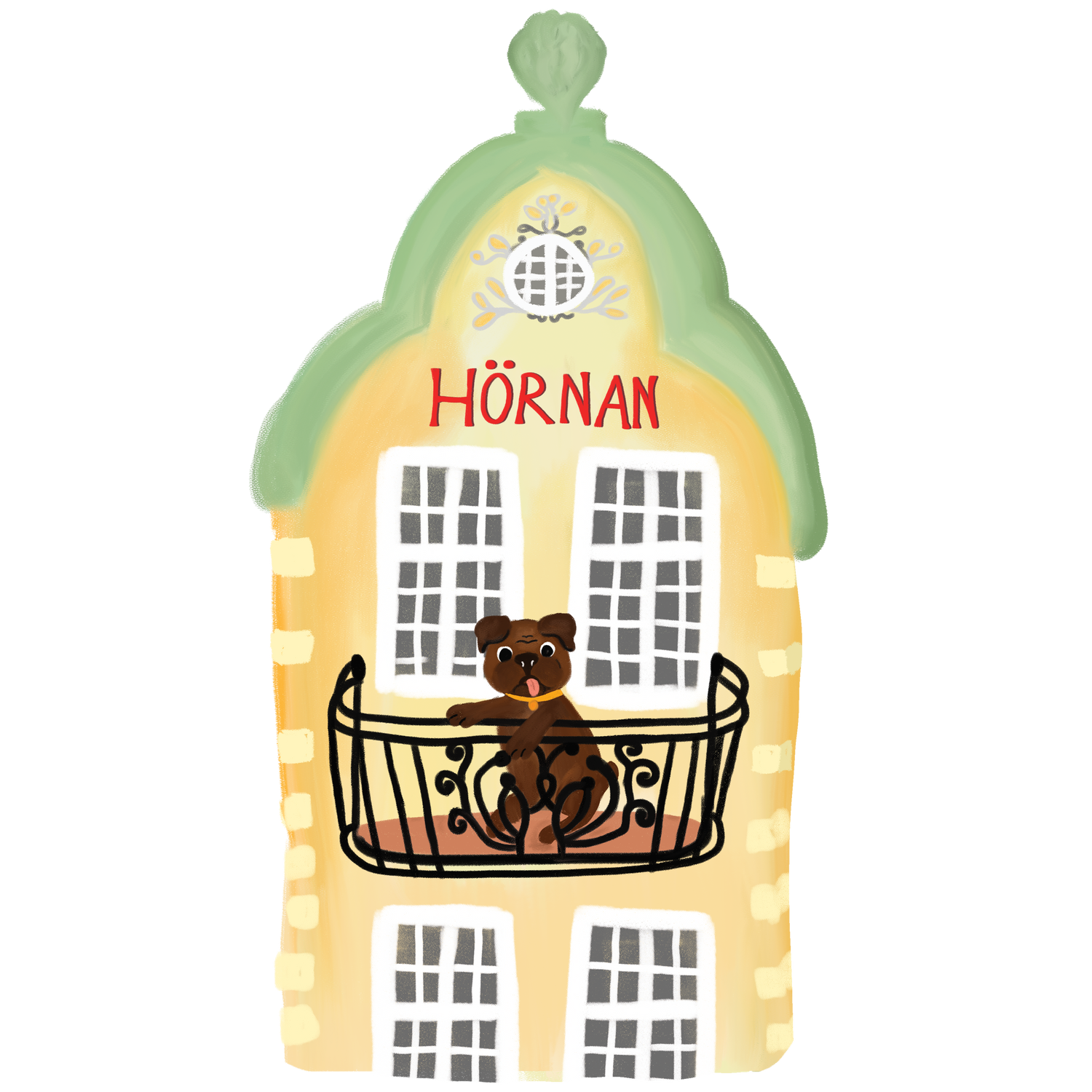
Since 1907, Grand Hotell Hörnan has been an elegant landmark by the Fyris River. Inspired by Europe's luxury hotels, engineer Hjalmar Kallenberg commissioned the construction of the building, designed by Ture Stenberg in Neo-Baroque and Art Nouveau styles. Hörnan quickly became a meeting place for travelers and Uppsala residents, who still gather here today to enjoy the view of the cathedral – and experience the city in style.
Uppsala
Gustavianum
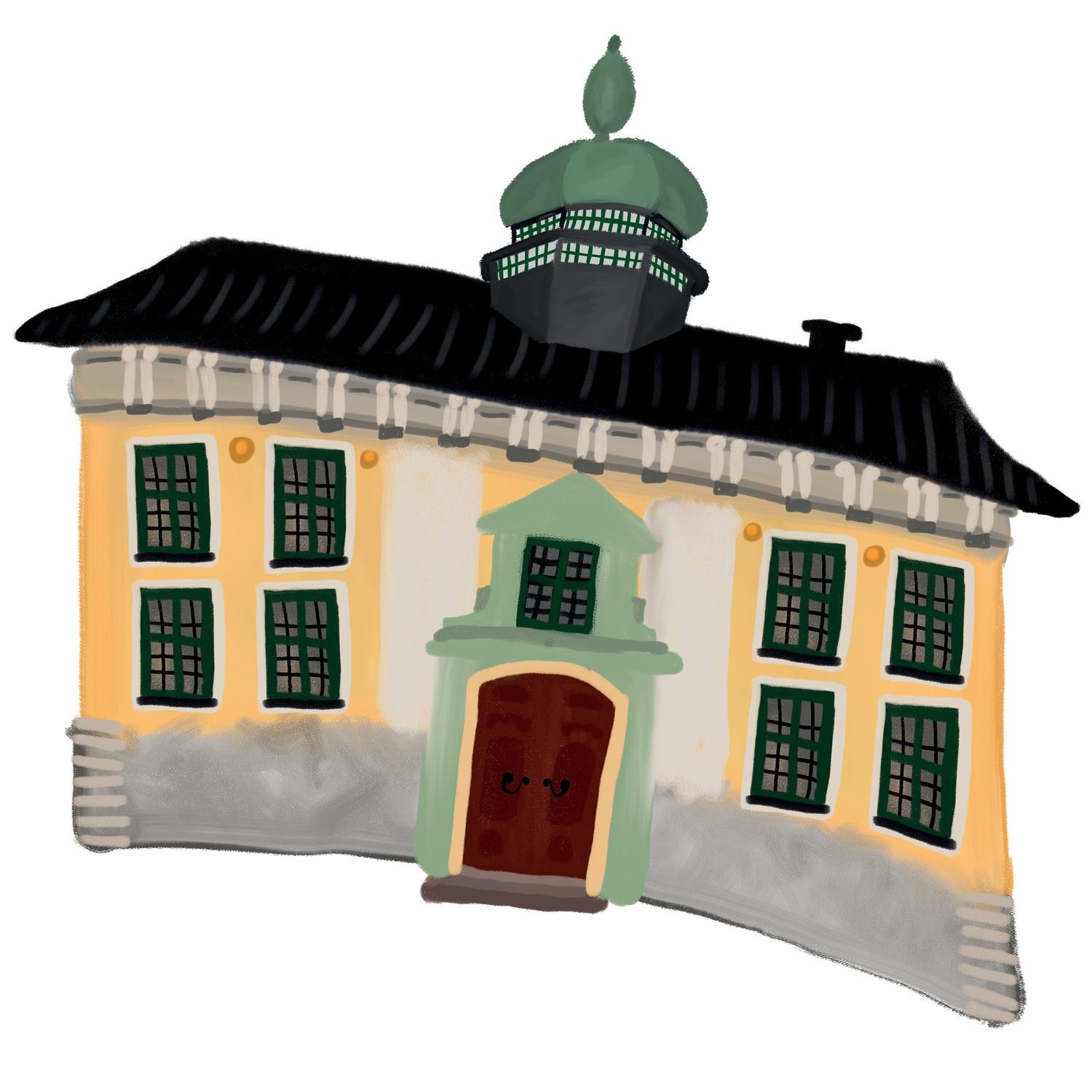
Gustavianum was built in 1625 according to designs by Casper Panten and is named after Gustav II Adolf. Its most iconic part is hidden at the very top – the anatomical theatre. There, eager students could watch dissections of both animals and humans. Today, it is a museum where visitors can experience everything from mummies to Viking treasures – and, of course, peek into the famous theatre.
Uppsala
Castle Cinema
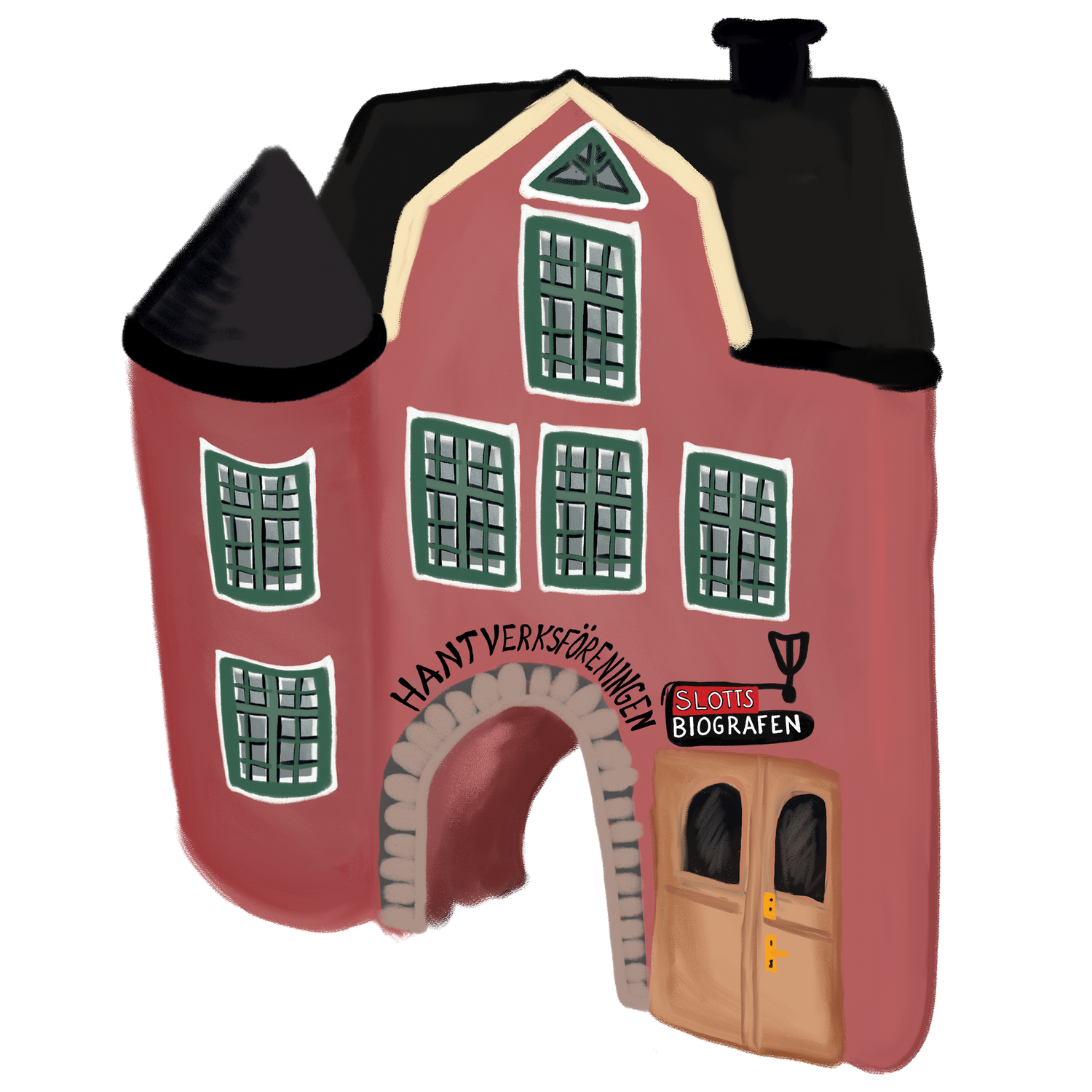
Slottsbiografen opened in 1914 and is one of Sweden's oldest active cinemas. With red velvet, carved wooden panels, and preserved original interior, it is a living cultural heritage. The cinema was Ingmar Bergman's childhood cinema – he went here with his grandmother to matinees, and it was here that he first stepped into the projection booth and fell in love with the magic of the projector.
Uppsala
Uppsala Cathedral
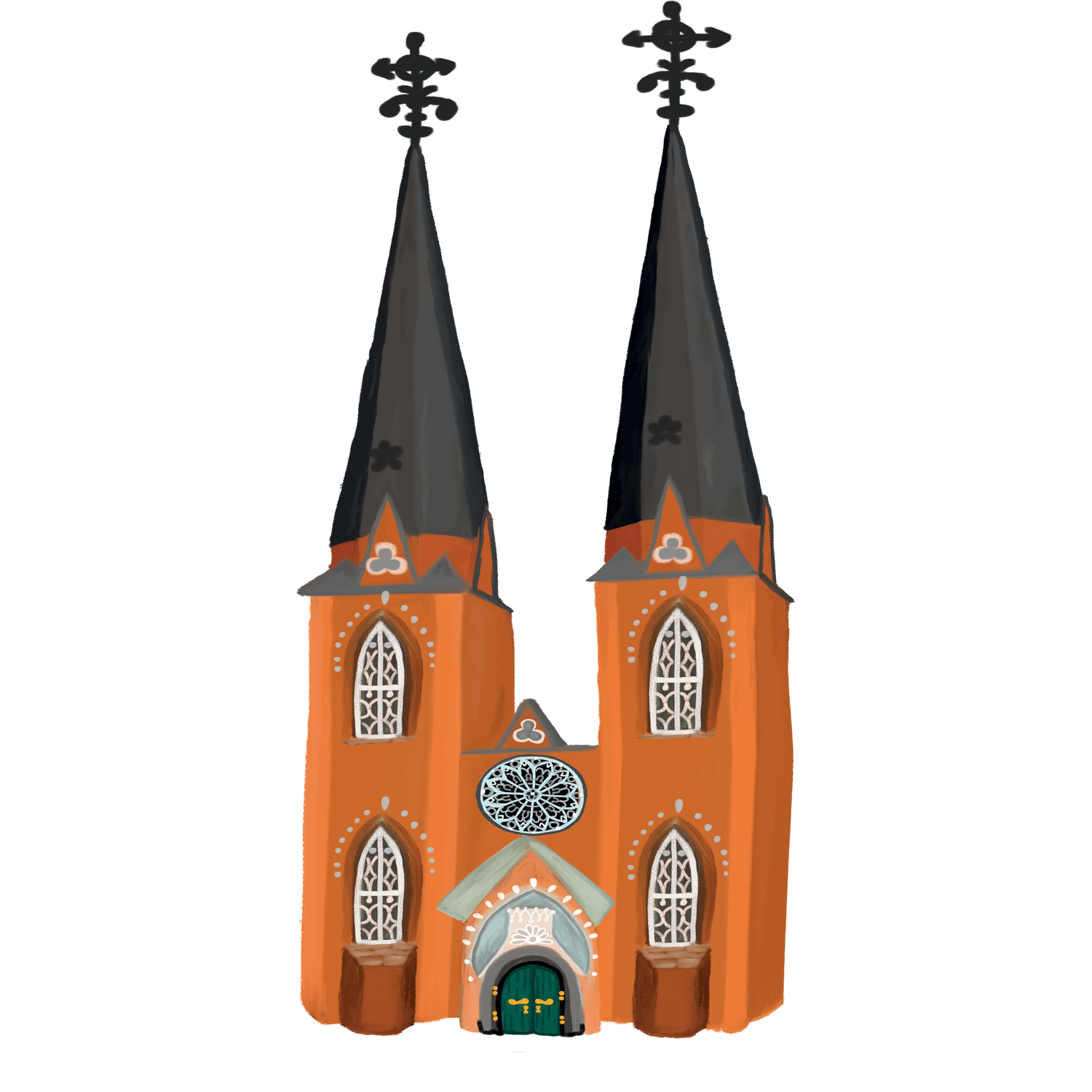
With its two spires reaching 119 meters towards the sky, Uppsala Cathedral is the largest church in the Nordic countries. Gustav Vasa is buried here, as are Carl von Linné and Erik the Holy. Construction began in the 1270s, and the cathedral was consecrated in 1435 after over a hundred years of building. It is a Gothic giant where time slows down and every arch tells stories of faith, power, and Swedish history.
Uppsala
Uppsala Castle
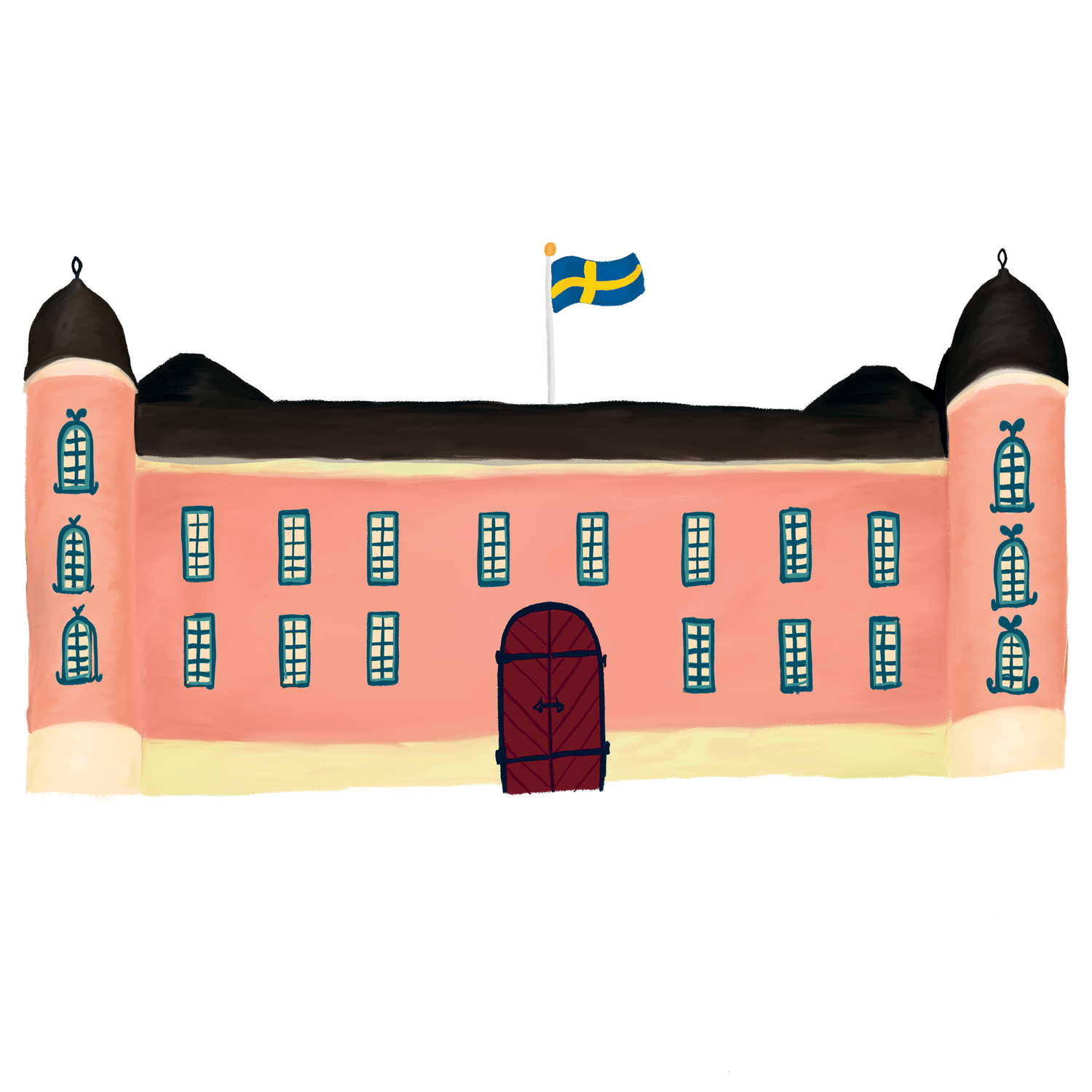
In the 16th century, Gustav Vasa had Uppsala Castle built as a symbol of royal power. Since then, queens have been imprisoned, kings celebrated, and changes of power decided within its pink walls. Today, the castle is home to art, history, and the residence of Uppsala County – but its walls still echo with Sweden's most dramatic centuries.
Uppsala
Västgöta Nation
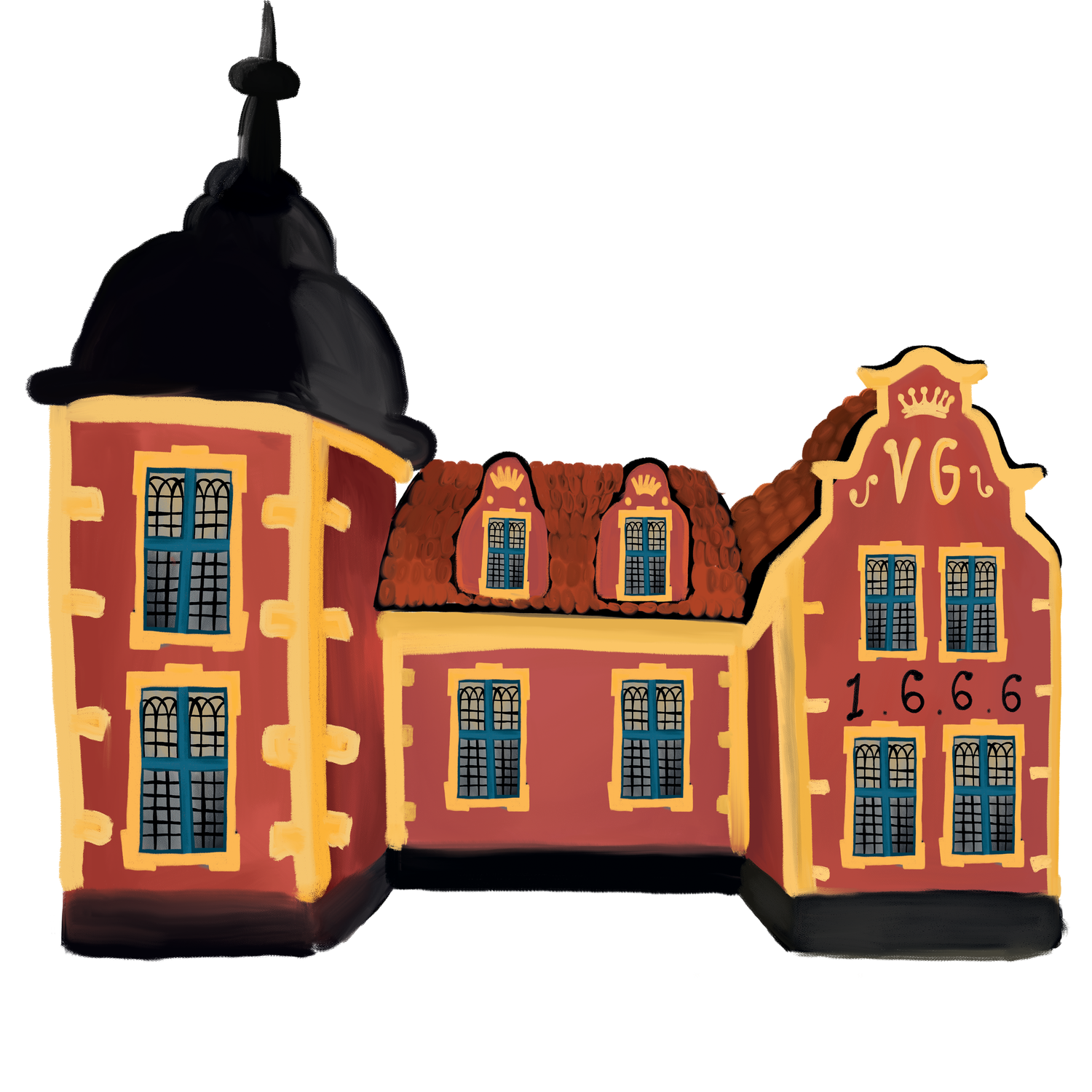
Västgöta nation, founded in 1639, is one of Uppsala's oldest and most prestigious student nations. Initially, it was young men from Västergötland who came to Uppsala to study to become priests – and here they found companionship far from home. The beautiful house by the Fyrisån river continues to create memories for new generations with everything from pub nights to balls and classic gasker.
Uppsala
E-type
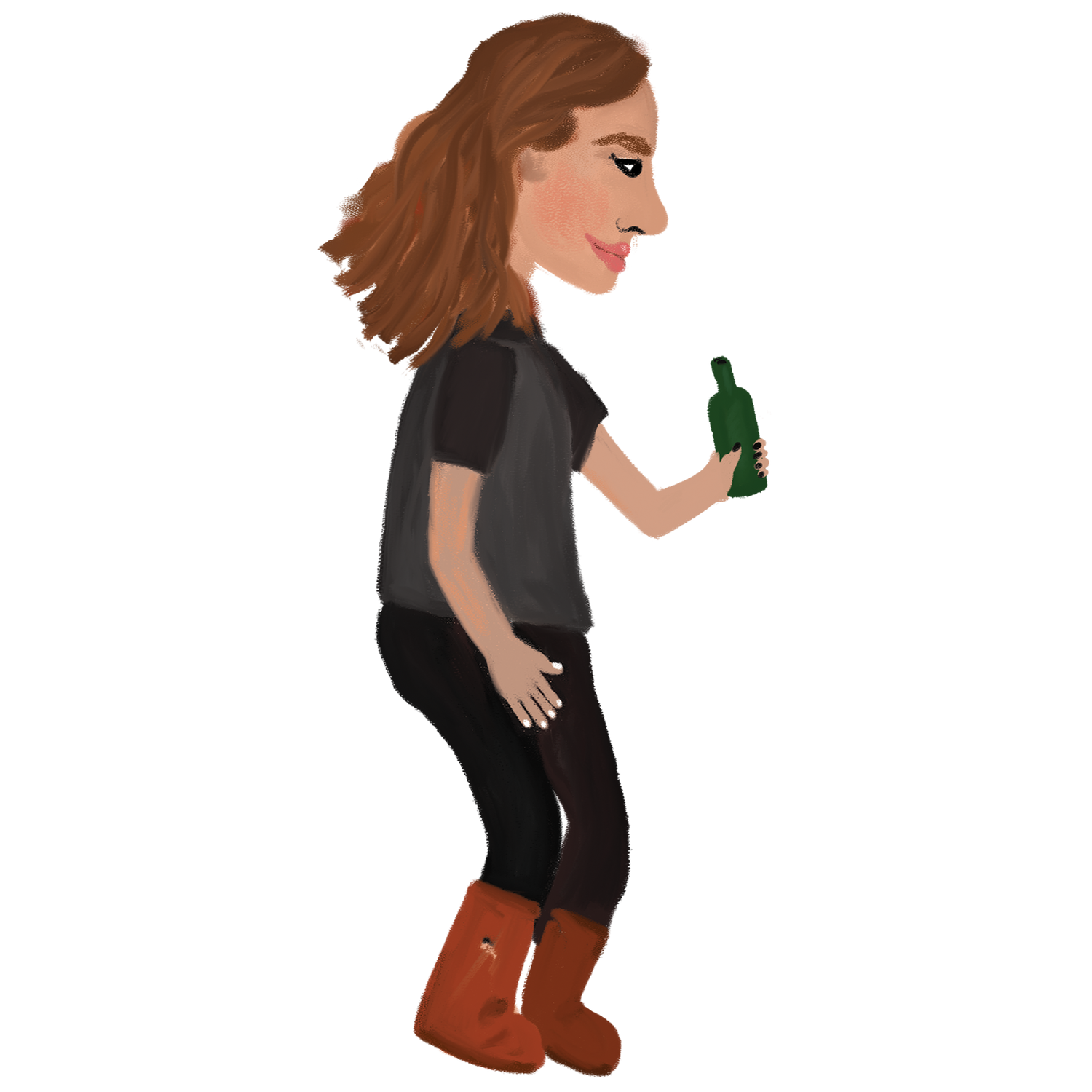
Martin "E-type" Eriksson was born in Uppsala in 1965 and became, with thunder and synthesizers, one of the biggest music exports of the 90s. With songs like This is the Way and Set the World on Fire, he filled dance floors across Europe – but at heart, there is also a love for history, Vikings, and a timeless energy that has always reflected his hometown.

Uppsala
Fanny and Alexander
Few films have captured the magic of Swedish Christmas, the luster of the theatre, and the darkness of childhood as powerfully as Fanny and Alexander. The Oscar-winning film is Bergman's love letter to his upbringing in Uppsala – a story where laughter, sorrow, and shadows meet beneath the chandeliers. Since its premiere in 1982, it has become a timeless classic.
Uppsala
Hans Rosling
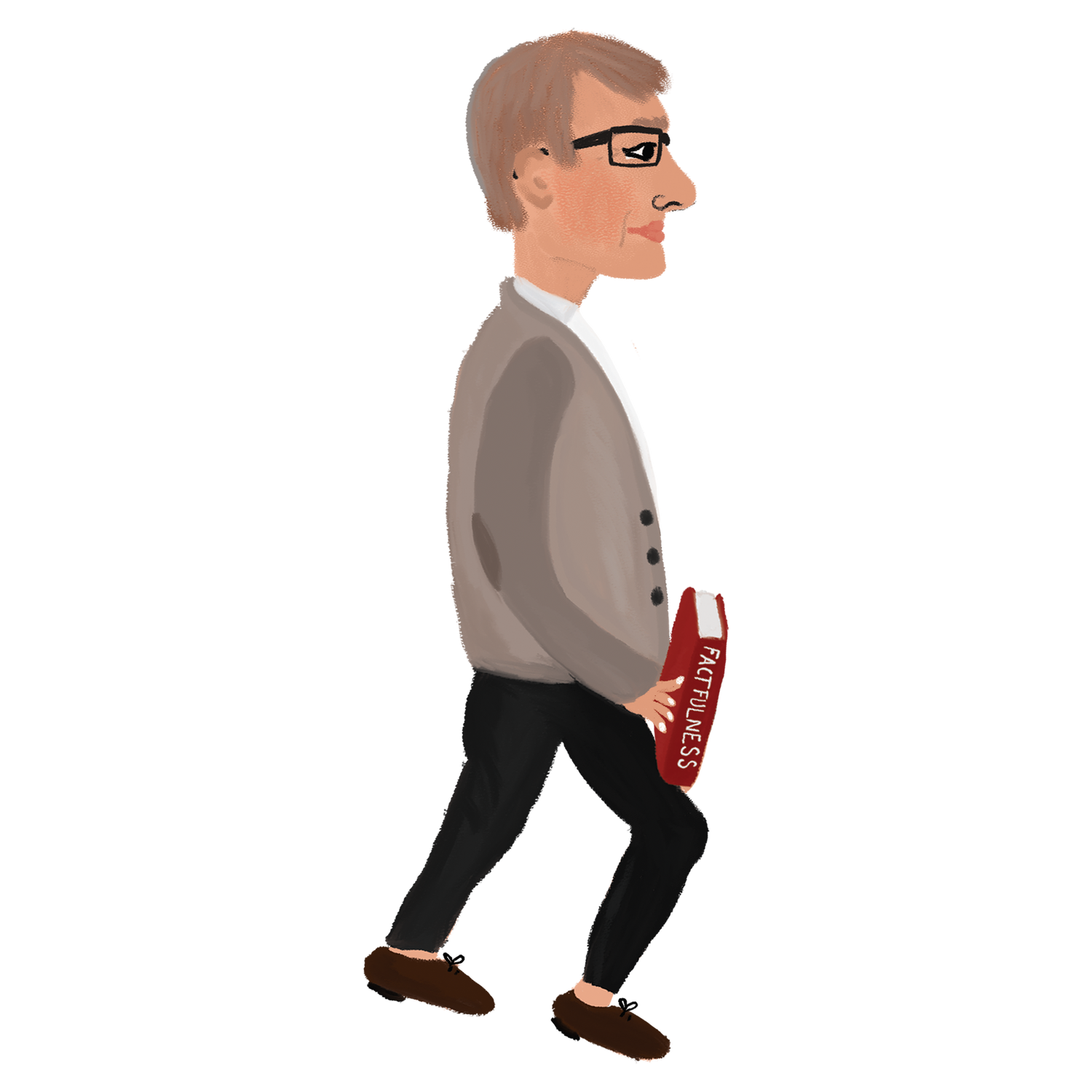
With energy, humour, and statistics, Hans Rosling changed how we view the world. The professor from Uppsala educated, provoked, and inspired – both as a doctor and as a public educator. With his TED talks, his book Factfulness, and his ability to captivate audiences, he became a global voice for curiosity and facts – rooted in Uppsala but with the world as his stage.
Uppsala
Ingmar Bergman
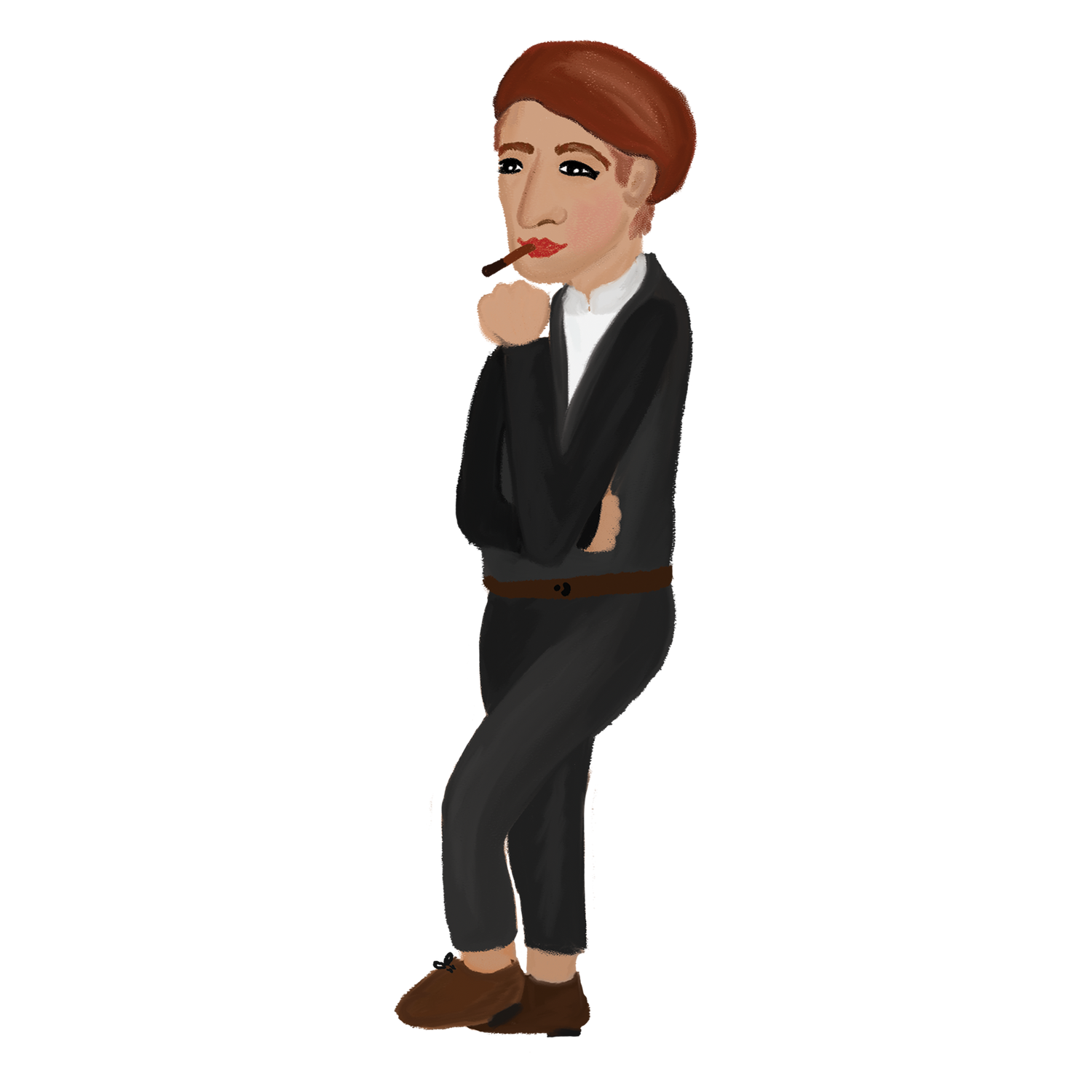
Ingmar Bergman is one of the world's most famous film and theatre directors. He was born in 1918 under dramatic circumstances at Akademiska sjukhuset in Uppsala. His upbringing as the son of a priest in the cathedral city left clear marks on his artistry – as did his childhood visits to Slottsbiografen where his interest in the magic of film was awakened.
Uppsala
Markus Aujalay
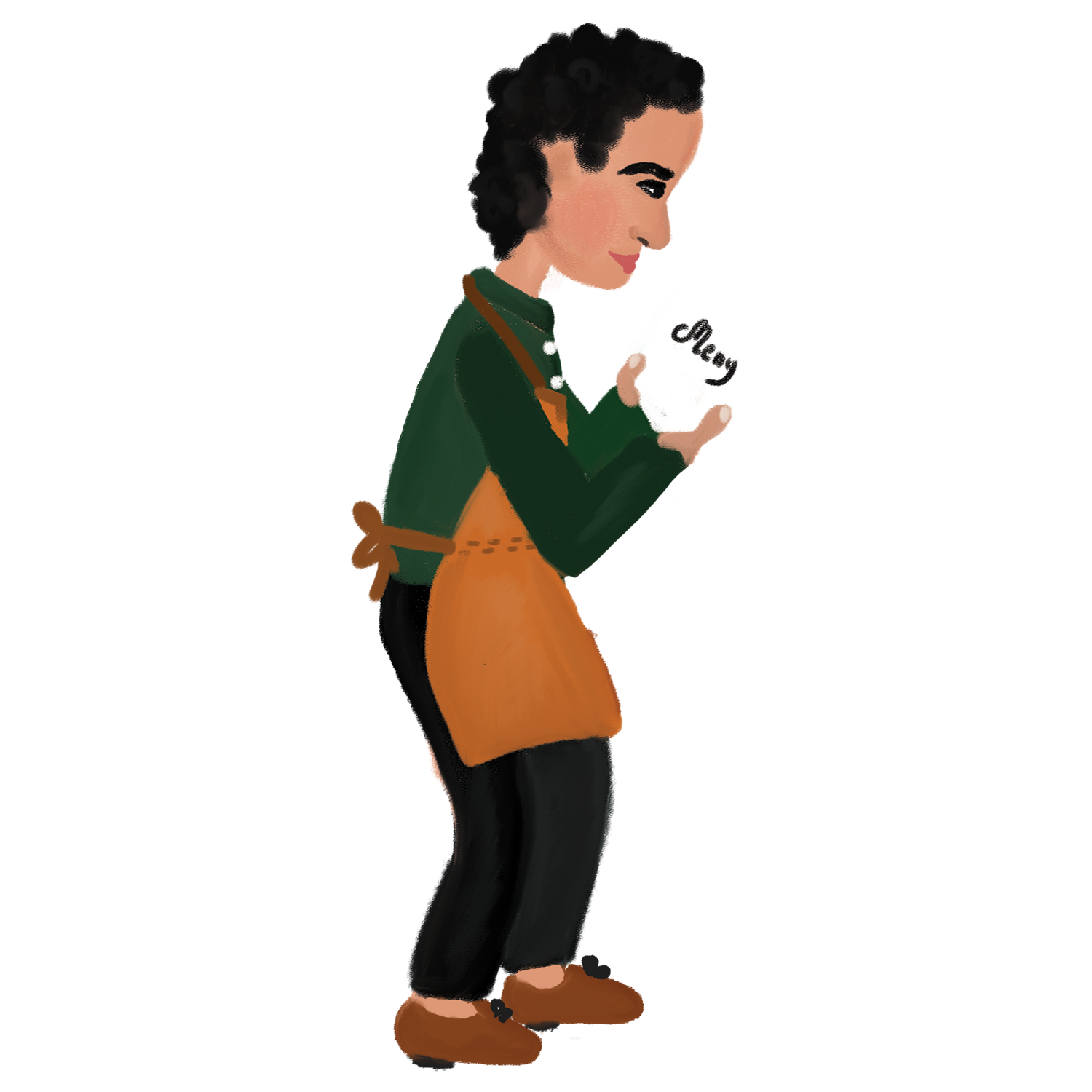
One of Sweden's most famous chefs has his roots in Uppsala, where his culinary journey once began. As the winner of Chef of the Year and host of Sveriges Mästerkock, Markus Aujalay has become a familiar face to food lovers across the country. He cooks with his heart, always prioritizing the ingredients and the Swedish culinary tradition.

Uppsala
Peter-No-Tail
Pelle Svanslös is Uppsala's most beloved cat – and definitely the most famous. Gösta Knutsson's stories take place among the city's alleyways and rooftops. Here we meet the wicked Måns, Maja Gräddnos, and Trisse – all inspired by Uppsala's inhabitants. The books, which began to be published in 1939, have been adapted into films, series, and plays – but most of all, they are a warm portrait of a city where friendship and courage triumph.
Uppsala
Tage Danielsson
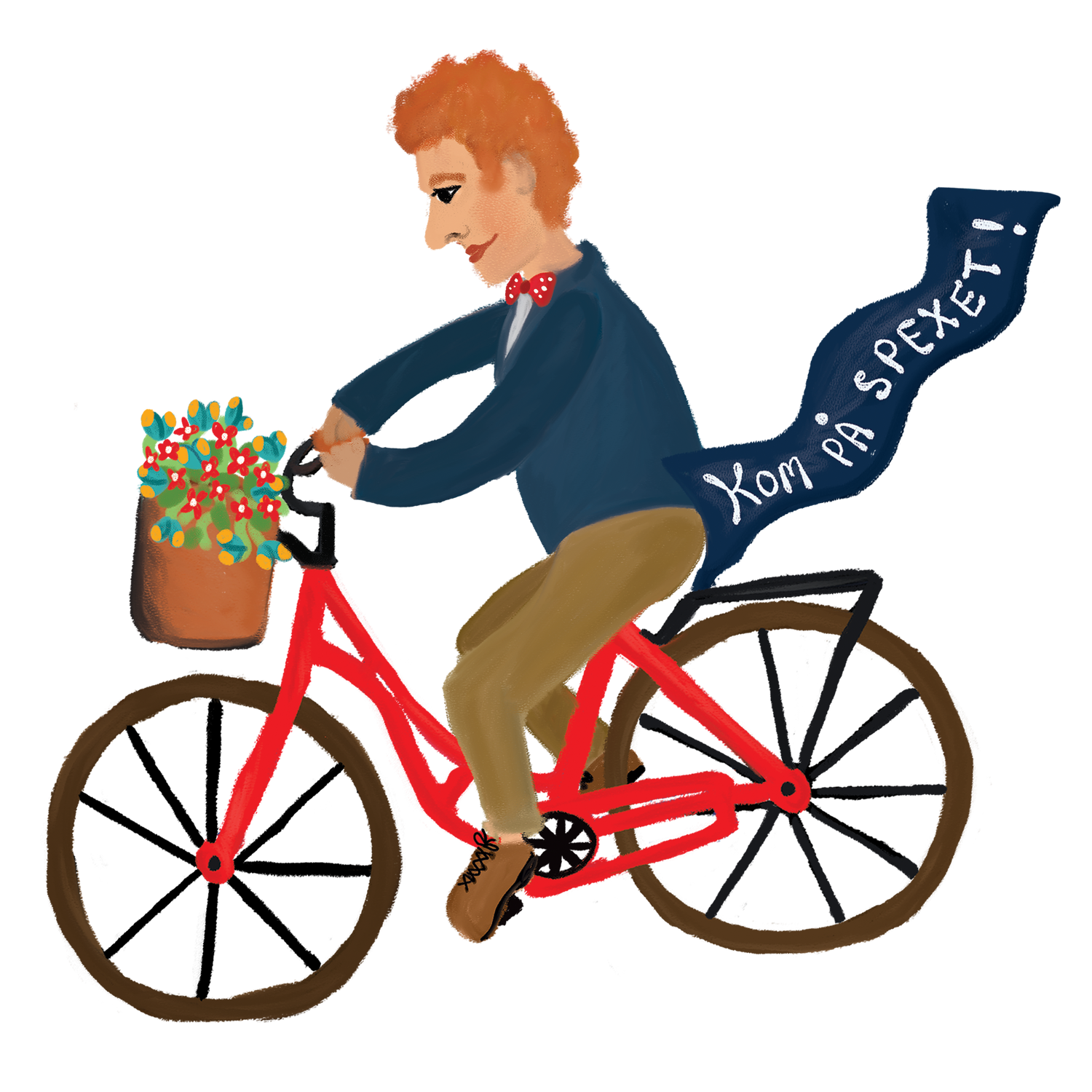
With a sharp tongue and a warm heart, Tage Danielsson articulated the Sweden he loved, questioned, and wished to improve. Born in Linköping but shaped in Uppsala as a student and spex actor, he became one of our most beloved cultural personalities. He is known as a writer, director, actor, and comedian, but perhaps most of all as one half of Hasse and Tage.
Uppsala
Veronica Maggio
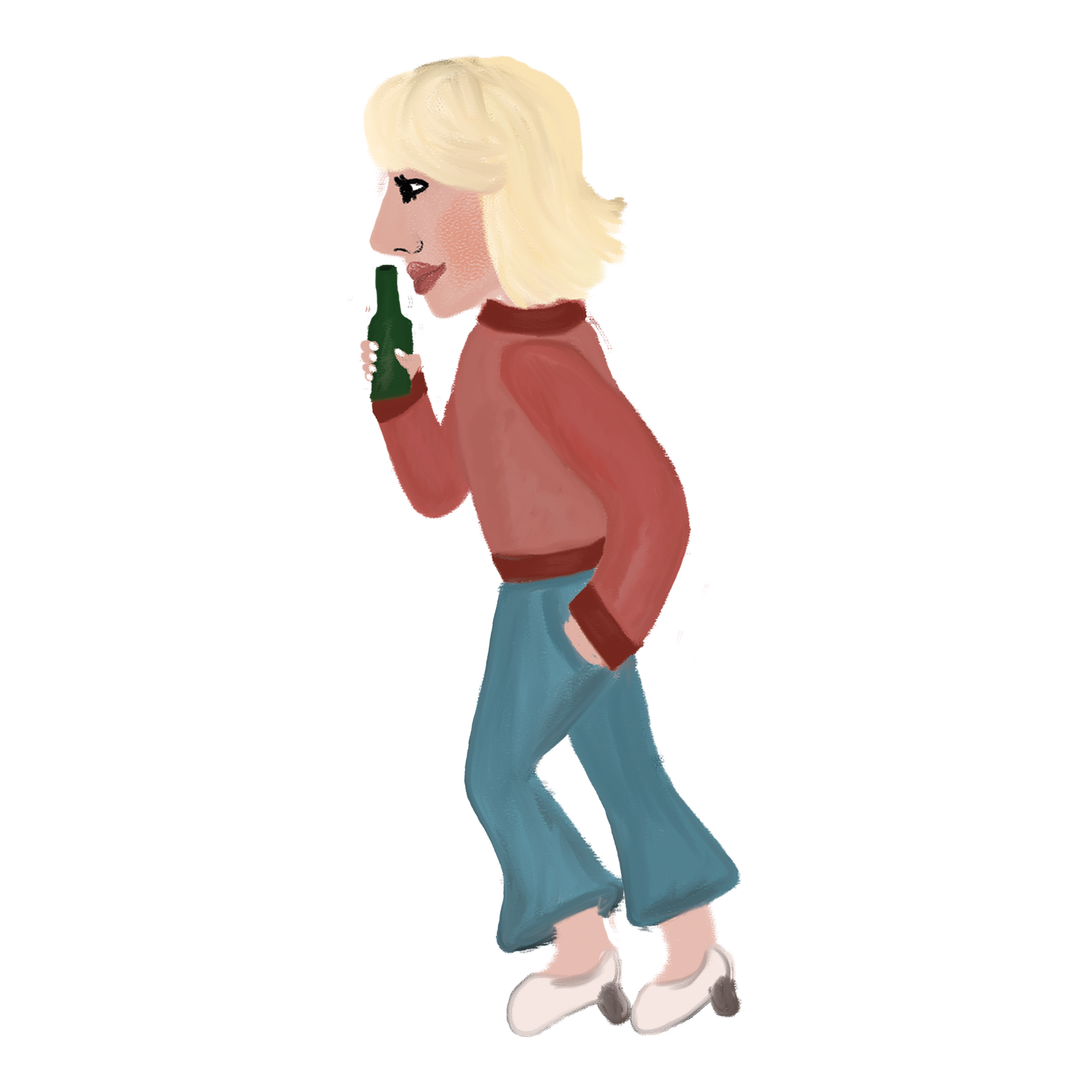
Veronica Maggio is one of Sweden's most beloved artists. She grew up in Uppsala where her interest in music took off in the school's rehearsal rooms. The city has left its mark on both melody and lyrics – in 17 år she reminisces about her teenage years, and in Välkommen in she sings about a house party at Rackarbergsgatan 40. Even though she now lives in Stockholm, it's clear that the Uppsala of her youth has coloured her music.
Uppsala