
Örebro
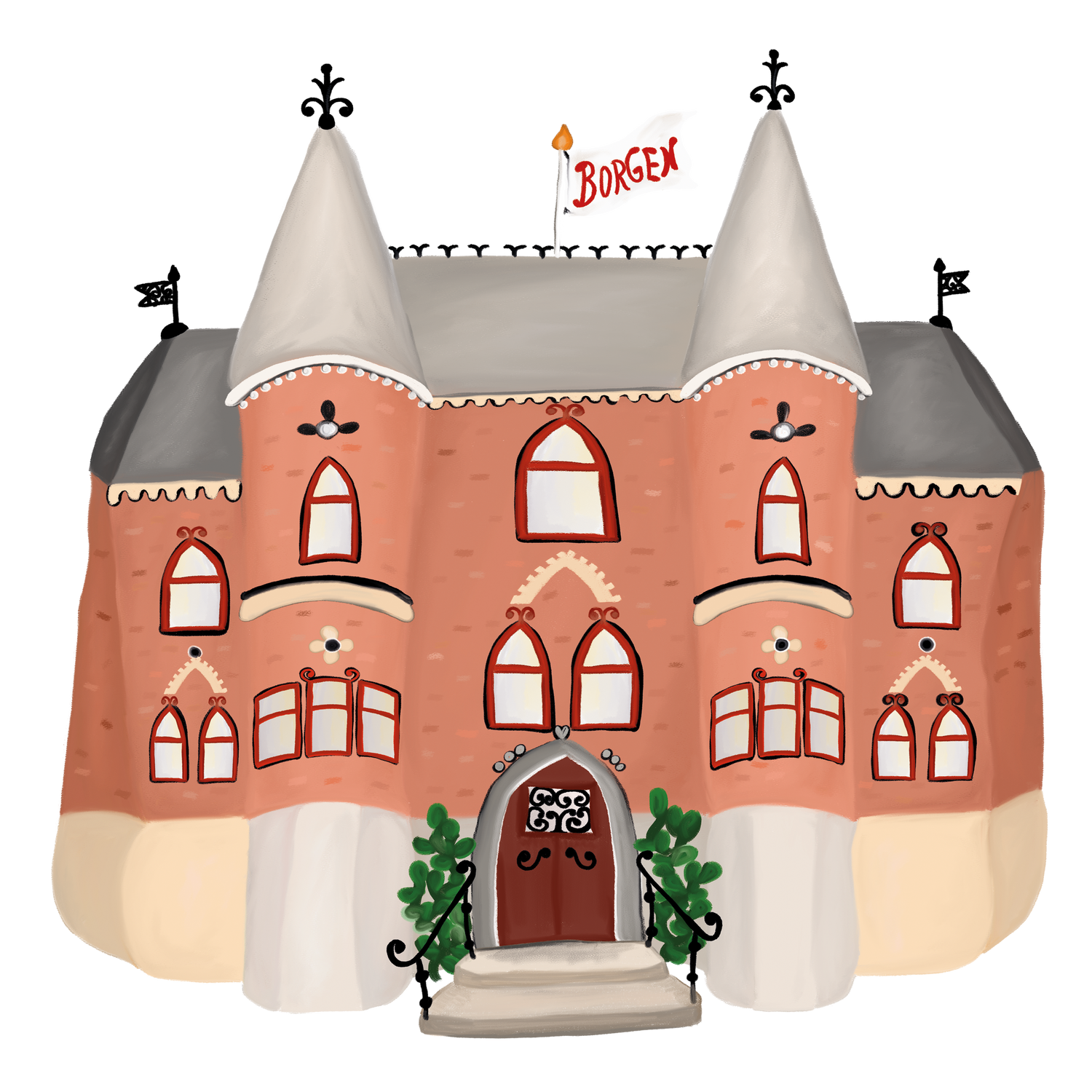
Hotel Borgen
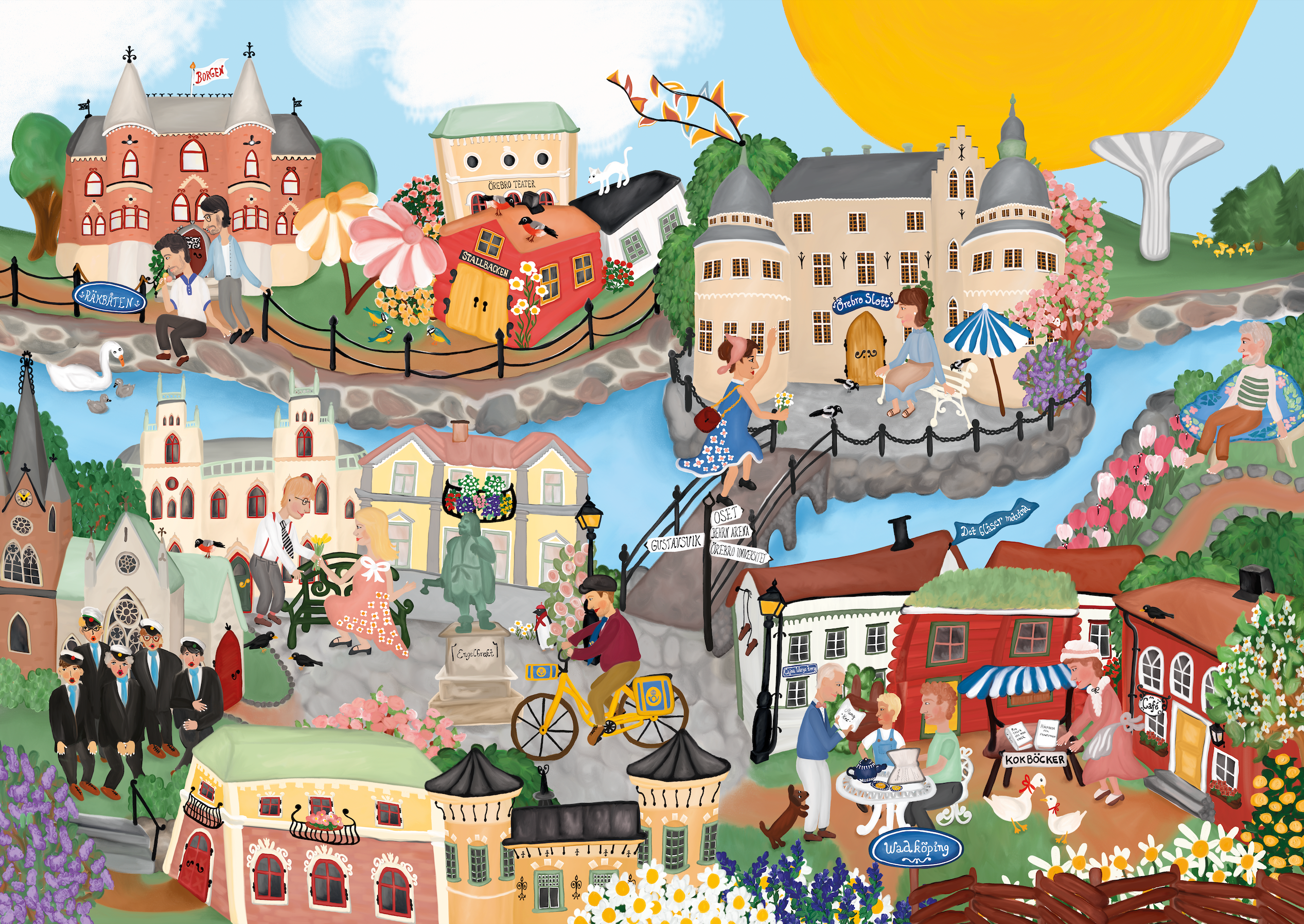
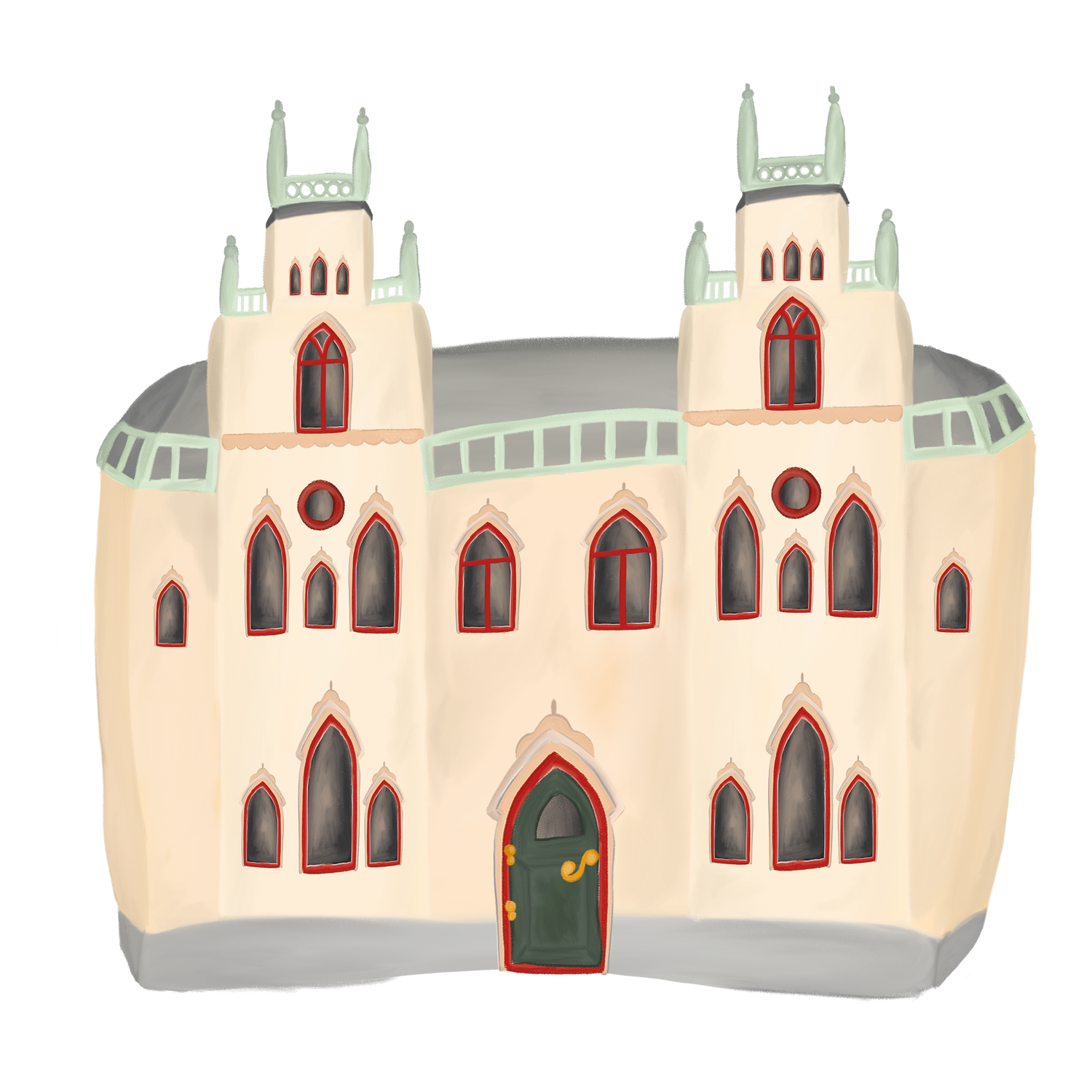
Hotel Borgen was built in 1891 as a bank office but looks more like a fairytale castle by the Svartån river. With its towers, turrets, and neo-Gothic details designed by architect Fritz Ullrich, the building has always captivated the imagination of passers-by. Today, the building is once again a hotel, offering guests a unique environment where the city's history meets modern comfort.
Örebro
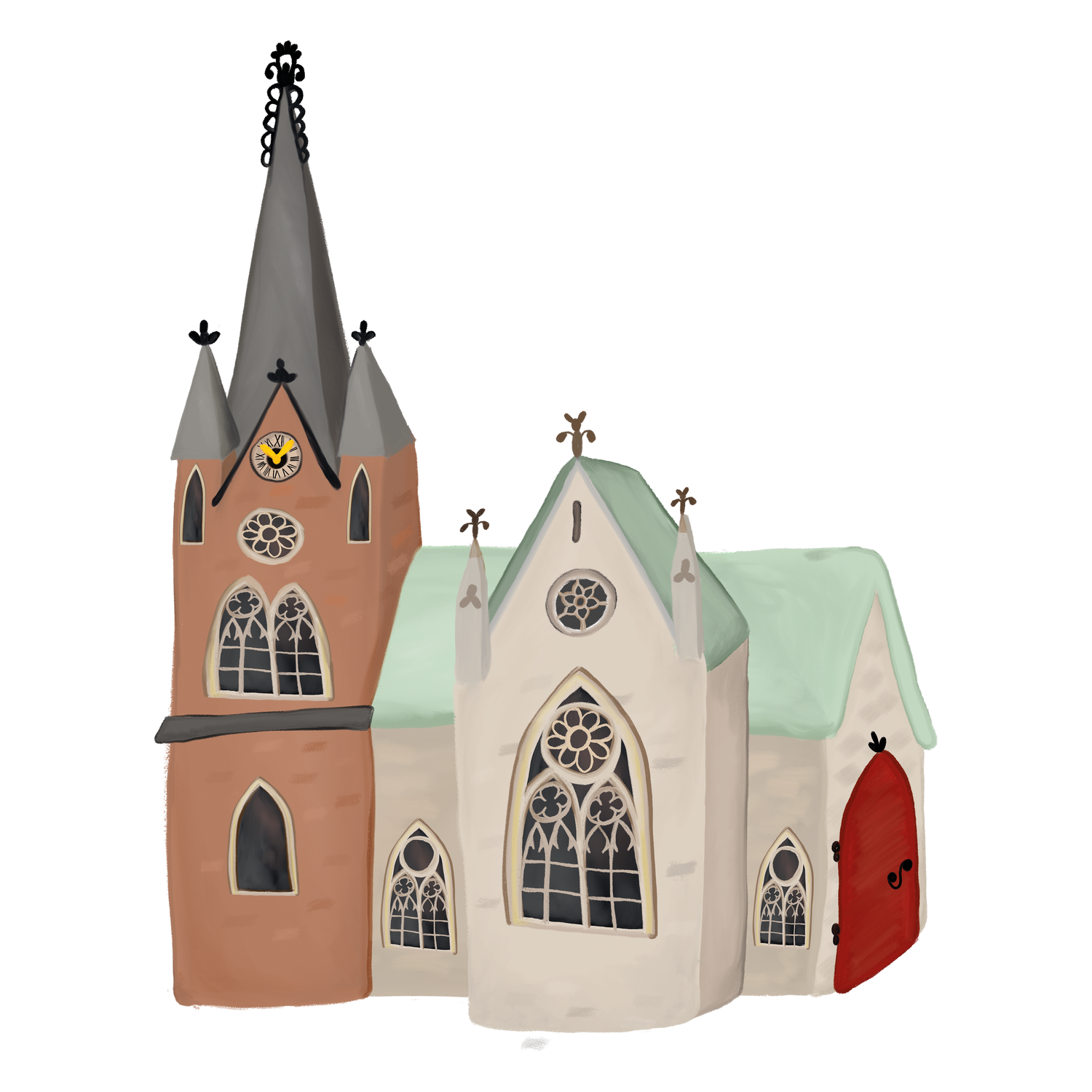
Nikolai Church
St. Nicolai Church began to be built during the second half of the 13th century and was completed in the mid-14th century. Since then, the Gothic building has been Örebro's spiritual center, with renovations and extensions reflecting the city's development. Here, generations of Örebro residents have been baptized, married, and buried – a living place for faith, tradition, and history.
Örebro
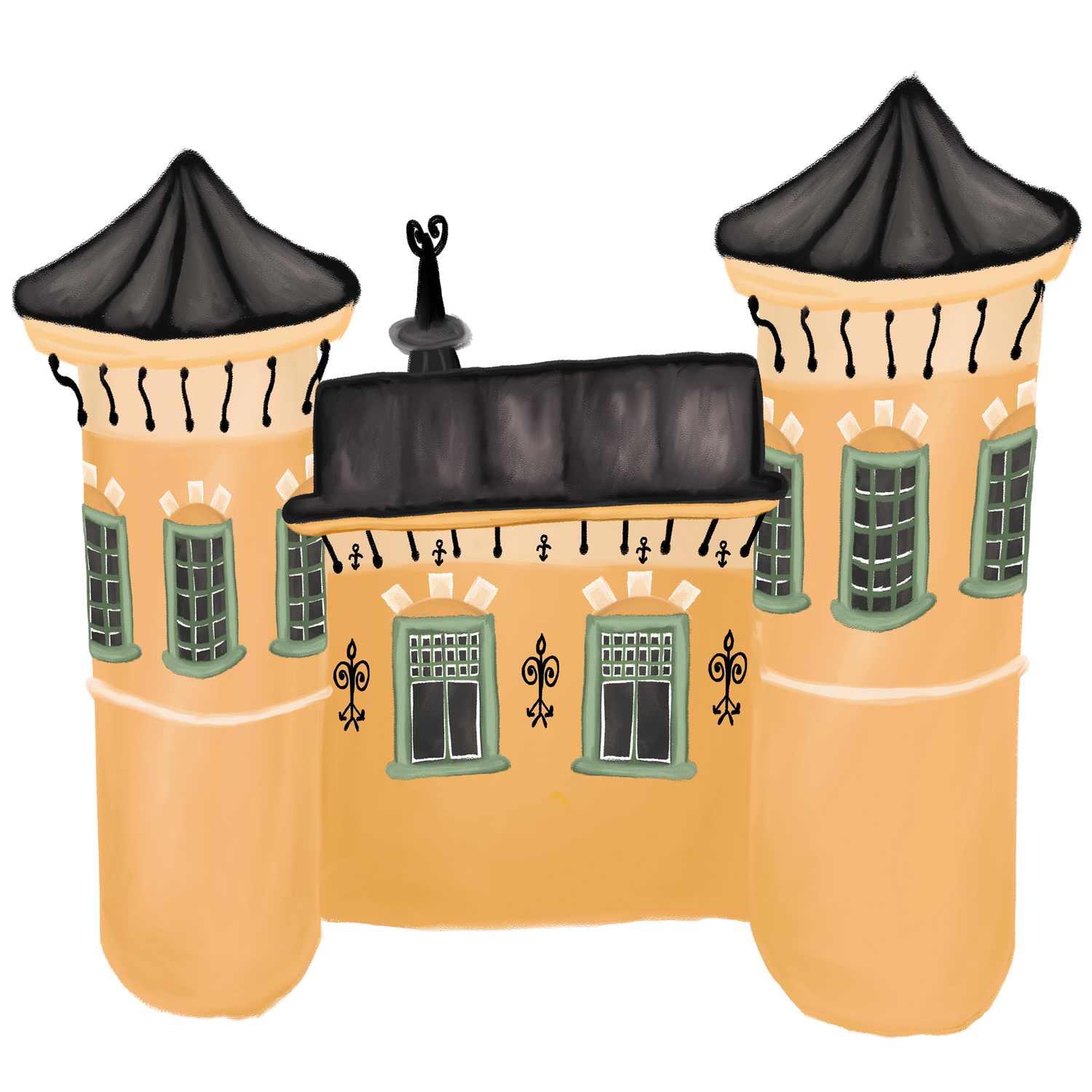
Humble Poor
Pauvres Honteux, also known as the PH-house, was built in 1930 as a modern residential building for the elderly in Örebro. The name means "the ashamed poor" and reflects the association's idea of offering dignified homes for pensioners with limited resources. Today, the building is a fine example of 1930s functionalist architecture and a part of the city's social history.
Örebro
City Hall
The Town Hall was designed by city architect Fridolf Wijnbladh and erected between 1859 and 1863 at Stortorget. The Neo-Gothic building became a symbol of the reconstruction after the city fire of 1854, when Örebro transformed from a wooden town into a stone town. From the beginning, it housed the town hall, police, and a school – today it is the municipality's administrative centre and a listed building that reminds us of the city's new era.

Örebro
The Mushroom
Svampen was inaugurated in 1958 and immediately became a new landmark in Örebro. The futuristic water tower was designed by architect Sune Lindström and holds a full nine million liters of water. At the very top, there is a panoramic café where visitors can look out over the city – and understand why Svampen has become one of Örebro's most famous buildings.

Örebro
Wadköping
Wadköping opened in 1965 as an open-air museum for Örebro's older buildings. Wooden houses and farms from the 16th century onwards are gathered here, moved from different parts of the city. Among the cobblestone alleys are craft shops, cafés, and museums – a historic district where old and new meet.
Örebro
Örebro Castle
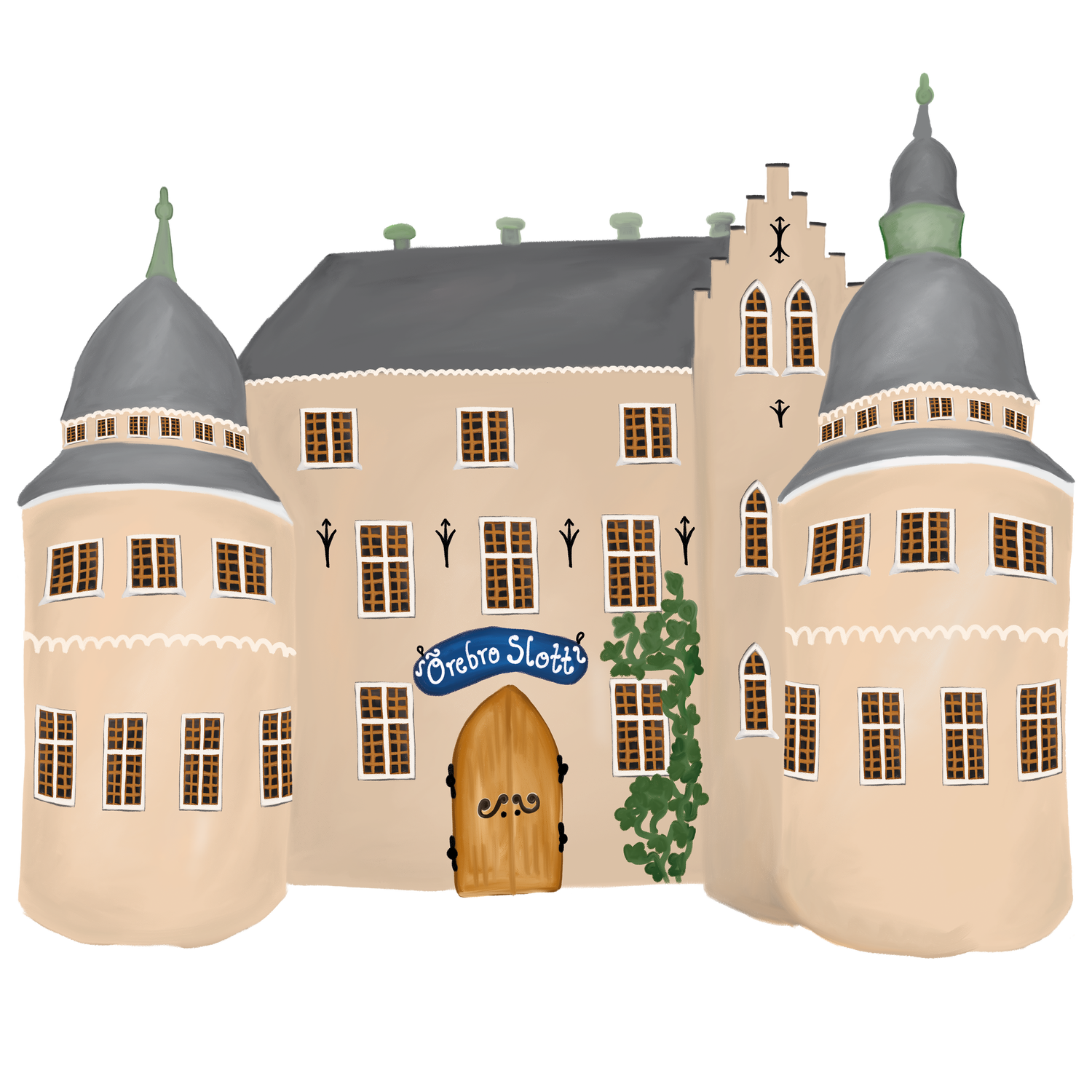
Örebro Castle was built in the 14th century as a defensive fortress on an island in the Svartån river. In the 16th century, Duke Charles, the future Charles IX, had the fortress rebuilt into a Renaissance castle. Over the centuries, it has served as a residence, a prison, and a defensive facility – today it is a symbol of the city and a popular tourist destination.
örebro
Örebro Theatre
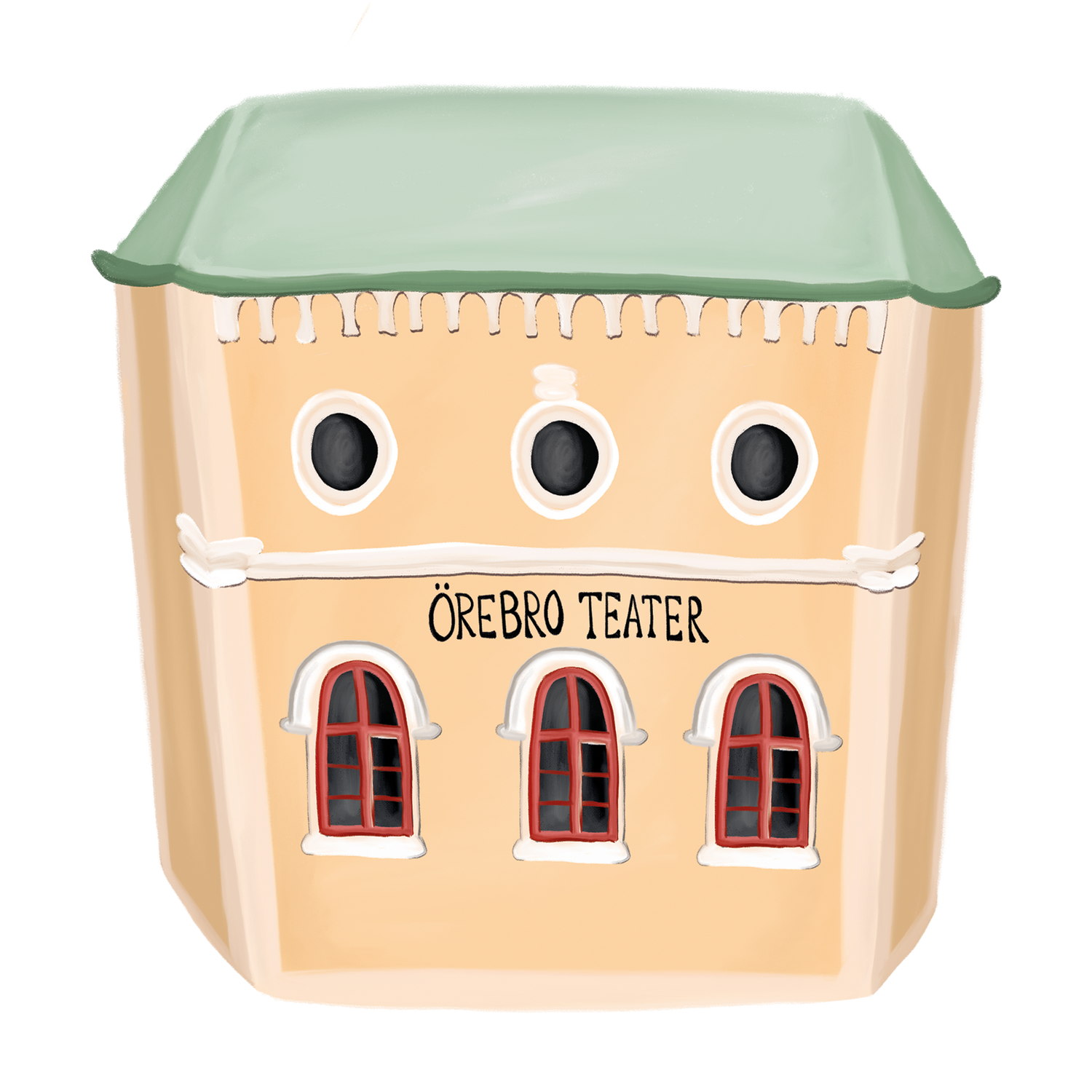
Örebro Theatre was inaugurated in 1853, designed by the brothers Hjalmar and Fridolf Wijnbladh in the late Empire style. It then became Sweden's second-largest theatre after the Royal Swedish Opera in Stockholm and the city's new gathering place. After two fires in the 19th century, it was rebuilt, and in the 1960s, both the auditorium and the facade were restored to their original appearance.
Örebro
Cajsa Warg
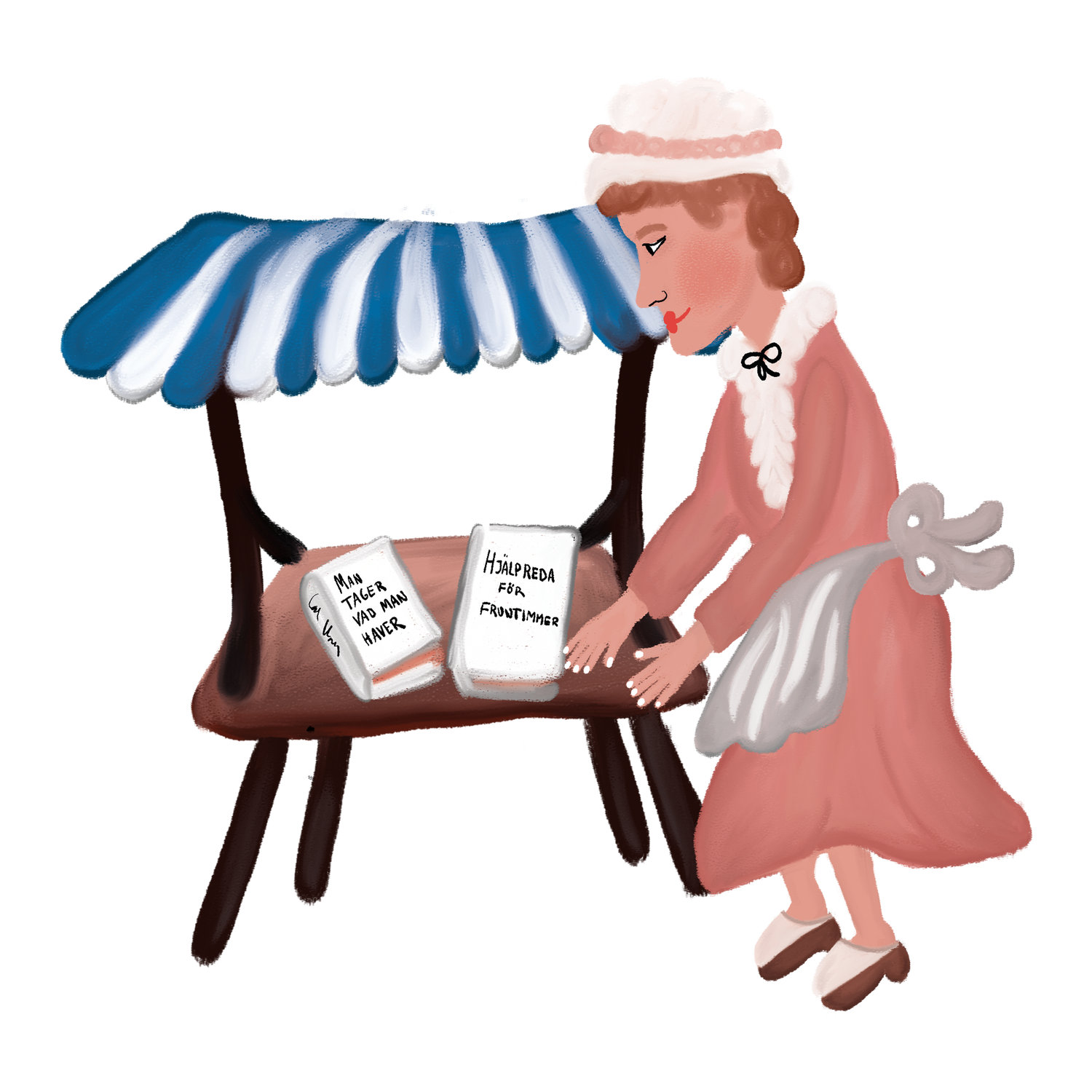
Cajsa Warg was born in Örebro and, in 1755, wrote the cookbook Hjelpreda I Hushållningen för Unga Fruentimber (A Help in Housekeeping for Young Women). It became seminal for Swedish cuisine for generations and made her the country's first great food writer. The expression "you take what you have" is often attributed to her – even though it was never in the book – and her name lives on as a symbol of creativity in the kitchen.
Örebro
Carl Jan Granqvist
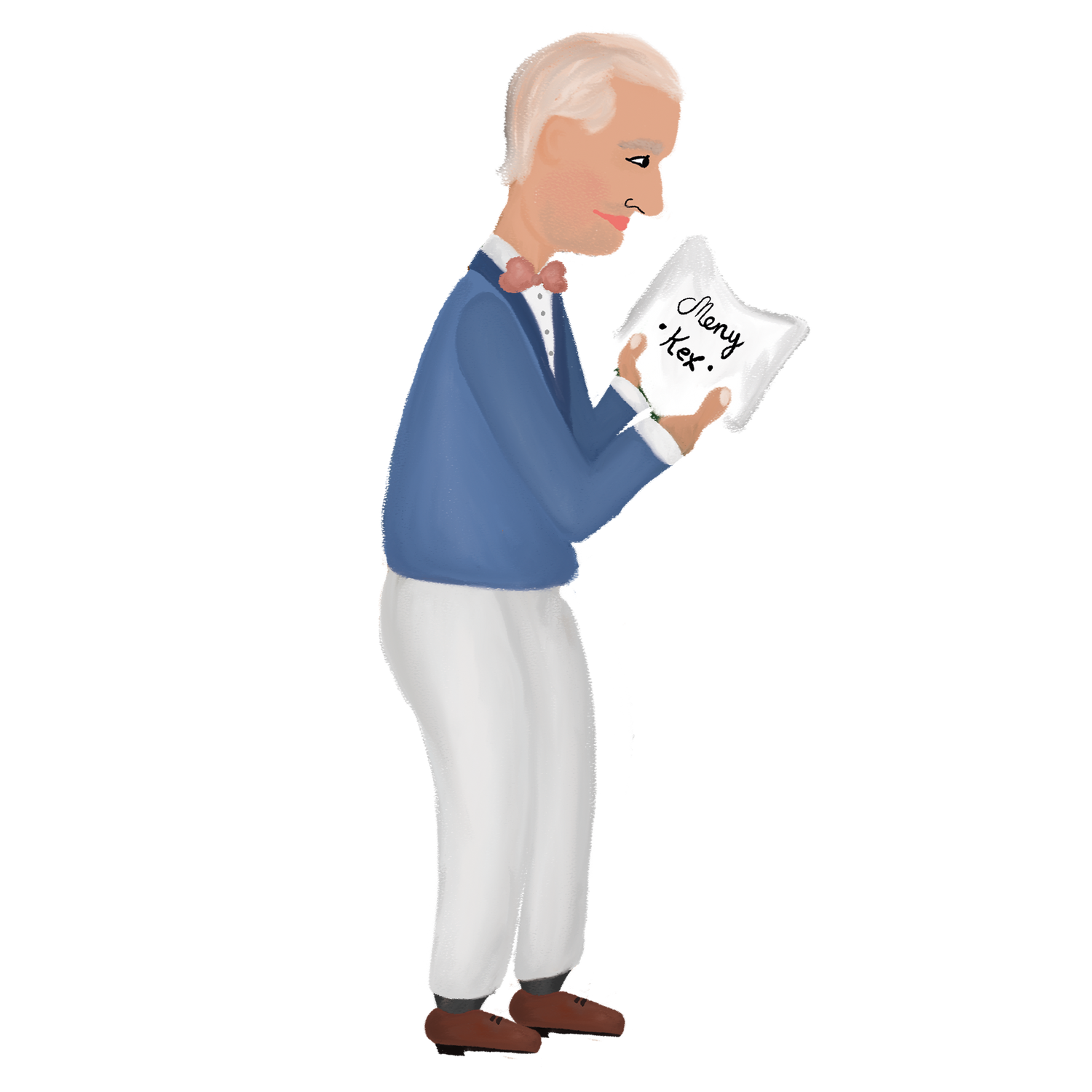
Örebro native Carl Jan Granqvist is known as a gastronome, wine connoisseur, and entrepreneur. He founded Grythyttans Gästgivaregård and was for a long time a prominent voice in TV programs about food and drink. With his passion for indulgence and education, he put both Grythyttan and Örebro County on the culinary map.
Örebro
Engelbrekt
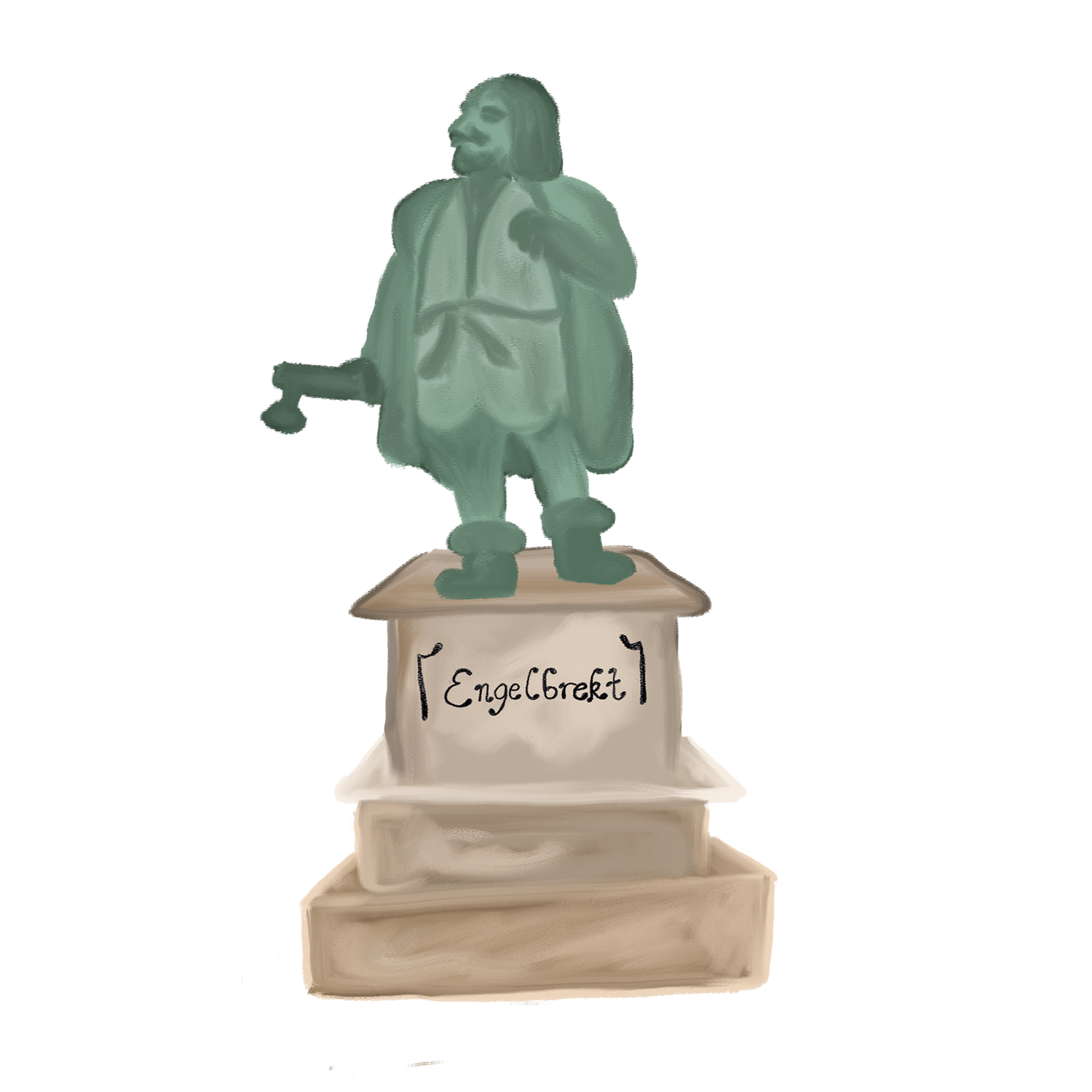
Engelbrekt Engelbrektsson was a Swedish rebel leader who fought against injustice and defended the rights of farmers. He led the Engelbrekt Rebellion against King Erik of Pomerania of the Kalmar Union and was rewarded in 1435 with Örebro Castle and its surrounding county. Today, his statue stands opposite St. Nicolai Church, where he was later buried – a reminder of his significance in Swedish history.
Örebro
Ernst Kirchsteiger
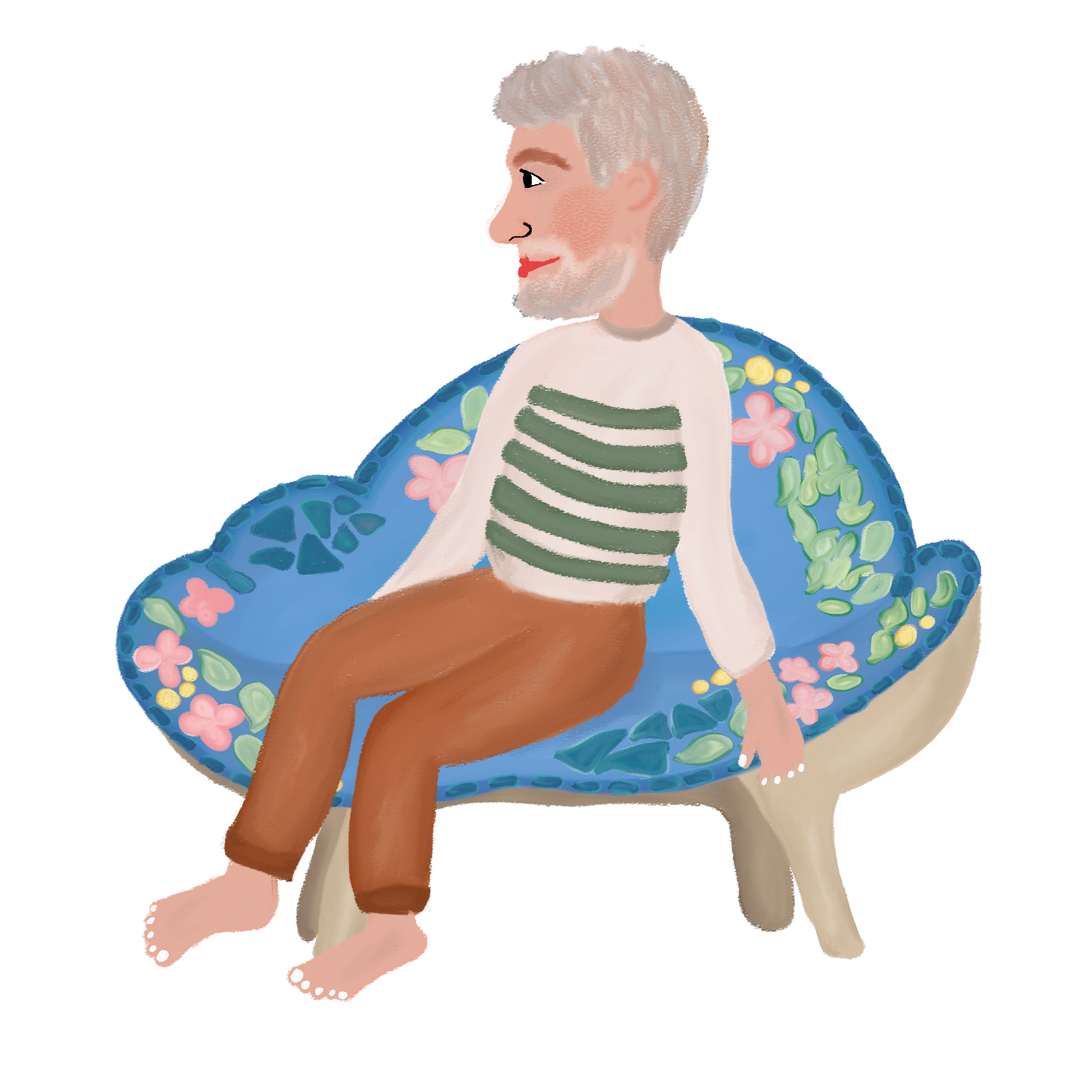
With his warm demeanor and appreciation for both home and nature, Ernst Kirchsteiger has become one of Sweden's most beloved TV personalities. He rose to fame in Sommar med Ernst where, with mortar, timber, and a passion for food, he transformed old houses into new homes. Rooted in Örebro, he has made cosiness a national concept.
Örebro
Gustav Svensson
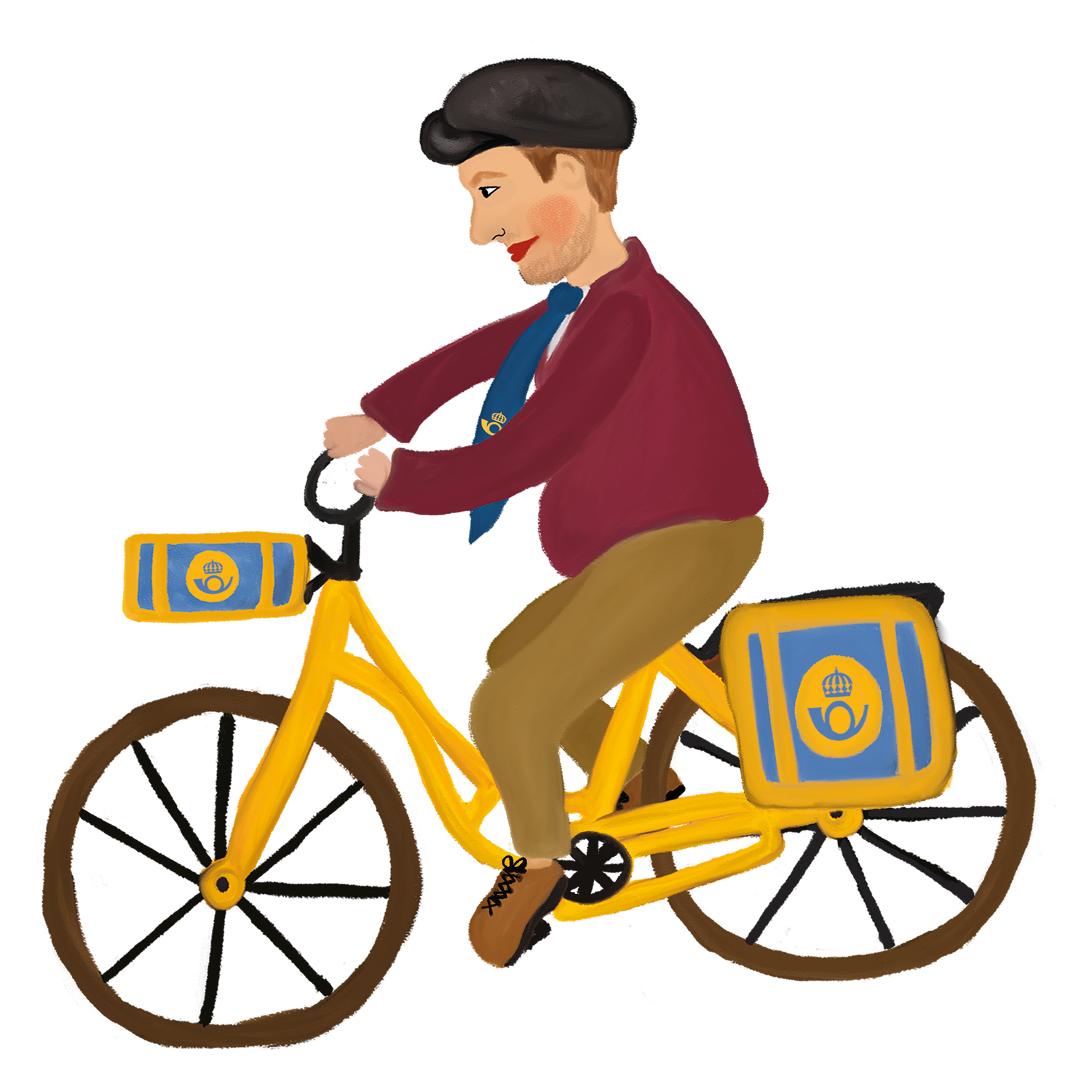
The TV series Svensson, Svensson made the character Gustav Svensson, played by Allan Svensson, Sweden's most beloved postman. With warmth, stubbornness, and everyday humor, he captured the Swedish middle class in prime time. Through him, Örebro and Vivalla were put on the map – and he became a natural part of Swedish TV history.
Örebro
Josef & Fares Fares
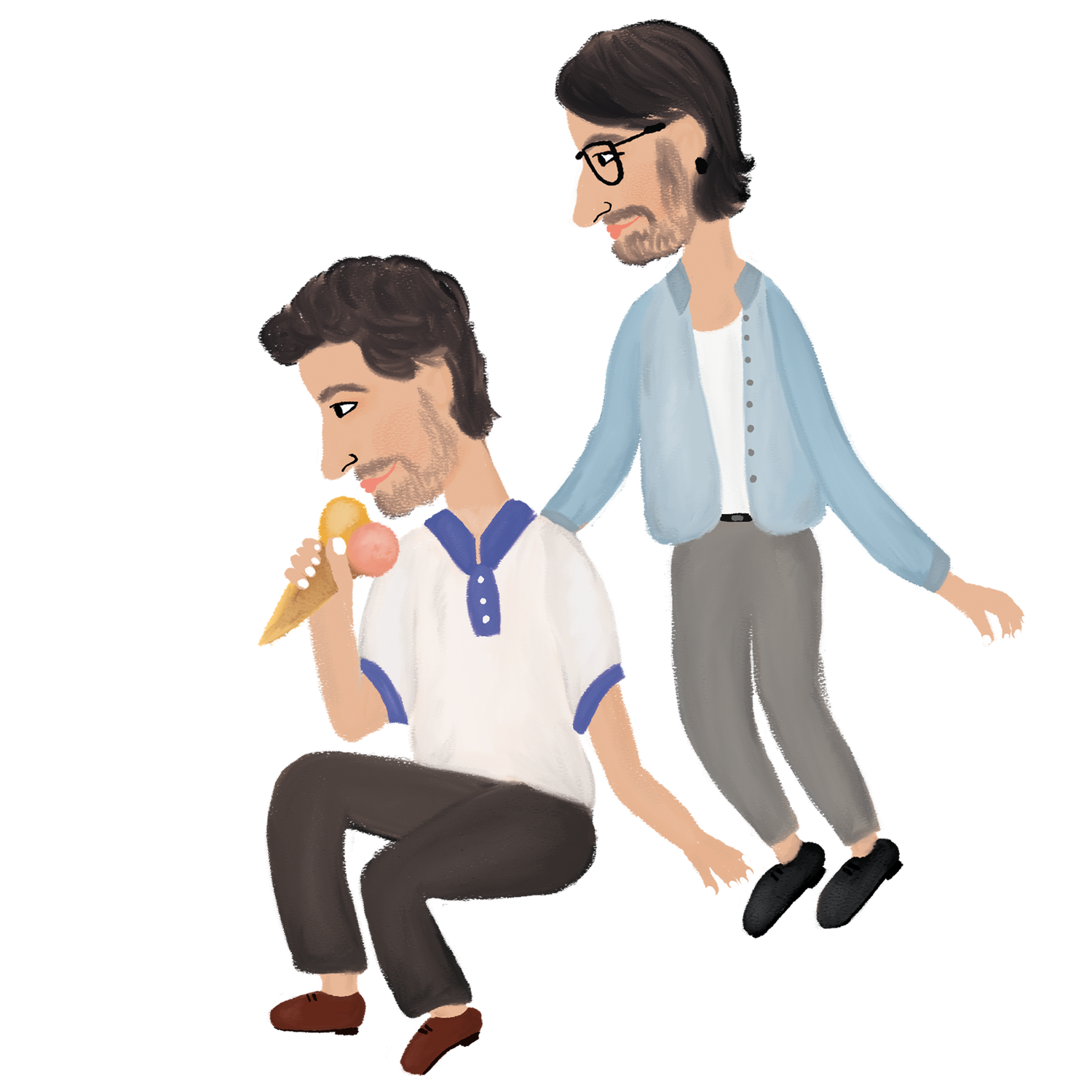
Brothers Josef and Fares Fares grew up in Örebro and quickly became two of Sweden's most famous cultural figures. Josef broke through as a director with films such as Jalla! Jalla! and Kopps, before achieving success in the gaming world with It Takes Two. Fares established himself as an actor in his brother's films and later in international productions such as Rogue One and Westworld. Together, they have put Örebro on the map – with stories that reach far beyond Sweden's borders.
Örebro
Katarina Taikon
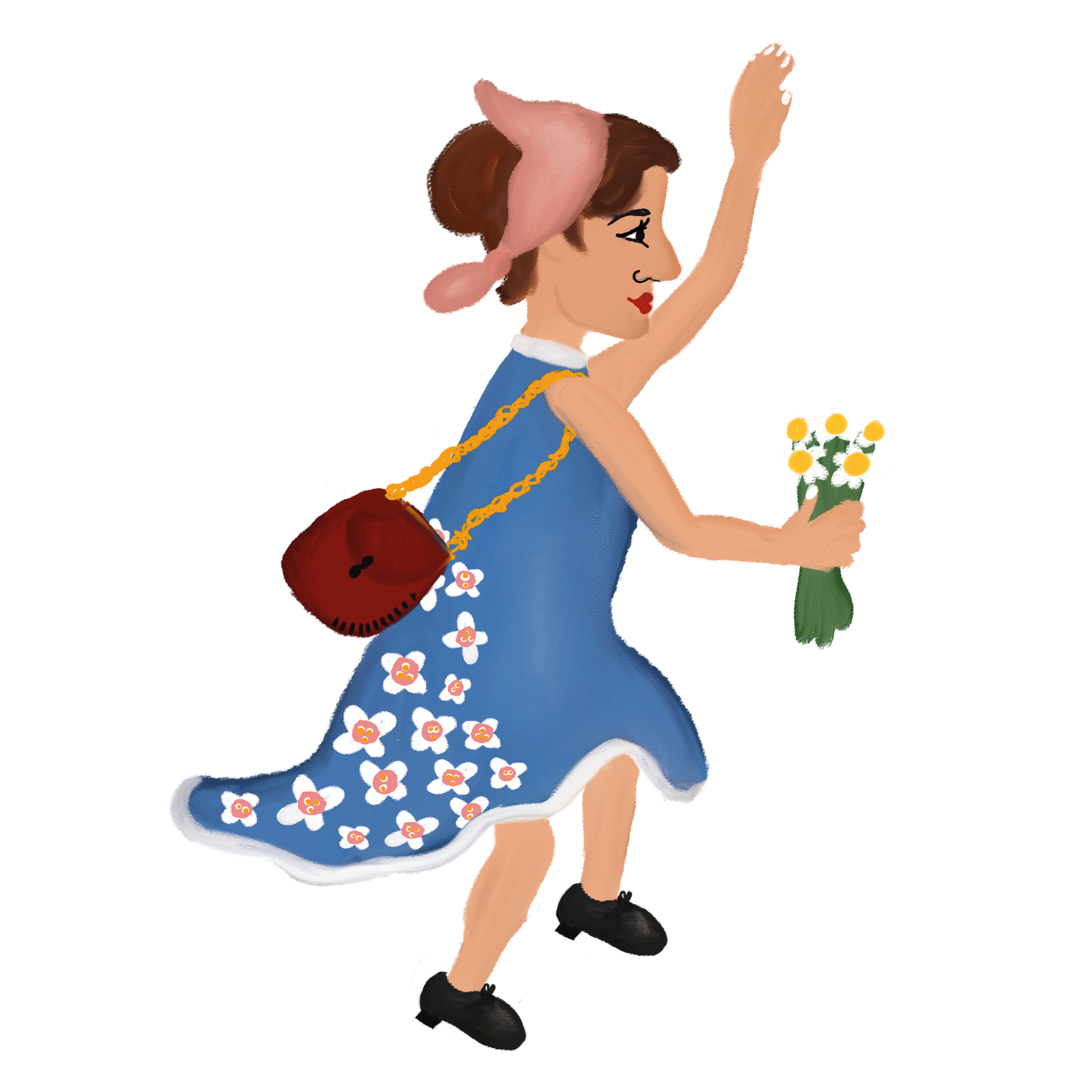
Katarina Taikon was born in Örebro in 1932 and became one of Sweden's most influential authors and human rights activists. Through her Katitzi books, which depict life as a Romani girl, she has inspired generations to understanding and empathy. Her stories live on as an important part of Swedish culture.
Örebro
Lasse-Maja
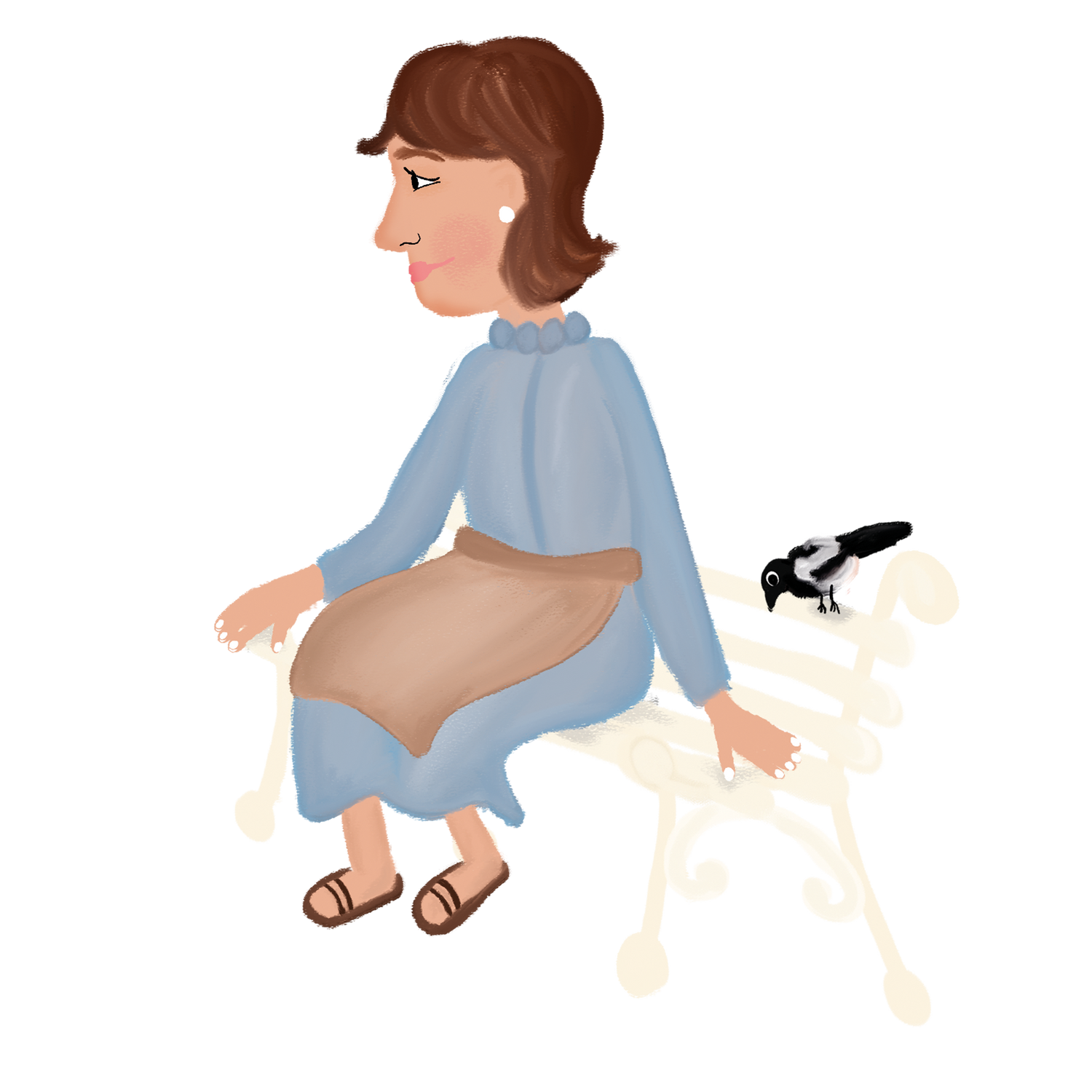
Lars Molin, better known as Lasse-Maja, was born in 1785 in Ramsberg outside Örebro and became one of Sweden's most mythical thieves. He often committed his crimes disguised as a woman, which made his stories both famous and fascinating. His memoirs and adventures have made him a folk legend and put both Bergslagen and the Örebro region on the map.
Örebro
Mary Stavin
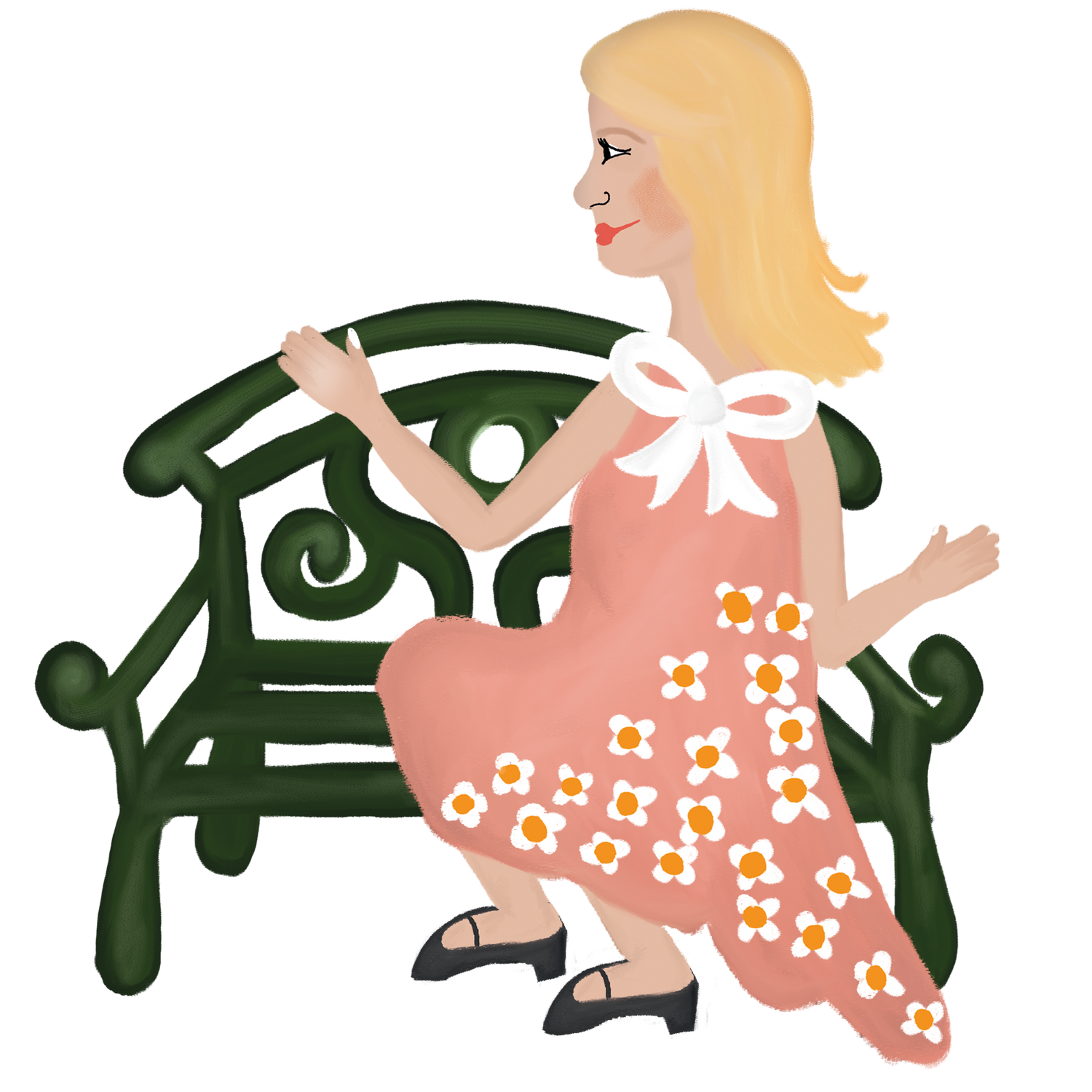
From Örebro to Hollywood – Mary Stavin won Miss World in 1977 and later became an actress in several international films, including the Bond classics Octopussy and A View to a Kill. She became one of the few Swedes to make a career in the 1980s film world, and is still one of the city's most glamorous exports.

Örebro
Peter Flack
As a revue artist, Peter Flack became Örebro's own entertainment king. Through the character Hjalmar, he put dialect, humor, and everyday life at the center – with lines that made both local audiences and distant guests laugh. His contribution to the revue makes him an obvious part of the city's cultural life.

Örebro
The Penguin
Against the facade of the Town Hall stands a small bronze penguin, created by Linnea Jörpeland in 2013. It has become a part of the city's soul and is often decorated by passers-by. In the spring of 2020, it suddenly disappeared but was found the same day, shaken but in good spirits. Now it once again gazes towards Stortorget – a beloved little piece of Örebro's public art.
Örebro
Sören Olsson
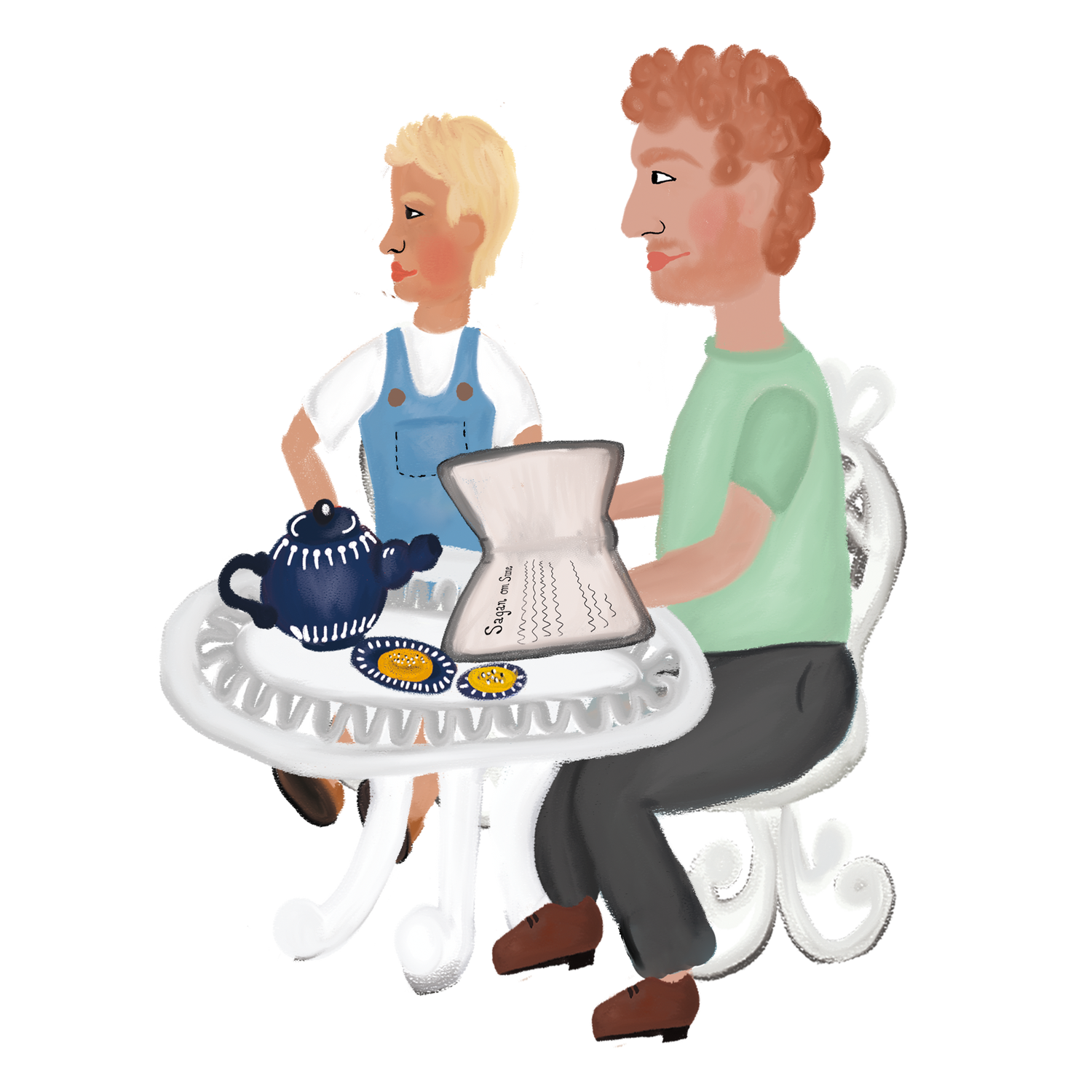
Together with his cousin Anders Jacobsson, Sören Olsson created some of Sweden's most beloved children's book characters – Sune and Bert. He grew up in Örebro, where much of the inspiration for the stories was drawn. With his humor and accurate depictions of everyday life and adolescence, he became an obvious part of Swedish popular culture. Here he is having coffee with Sune.