
Norrköping
The prison
The prison was built as early as 1790 and remained in continuous service in the Swedish correctional system for a full 223 years – until it closed in 2013. Initially, it served as a "Kronospinnhus" – a workhouse for women convicted of vagrancy, begging, or prostitution. Over time, the institution was transformed into a cell prison and later into a modern detention center.

Norrköping
The Dyer's Farm
Färgargården is a dyeing technology museum with the aim of preserving the knowledge surrounding textile dyeing. The idea is for it to resemble how a rural dye works looked in the mid-19th century. Most of the buildings come from the Norrköping area, but the most important building – the dye works itself and the fulling mill – actually comes from Dalarna. They were moved to the site when the museum opened in 1939.
Norrköping
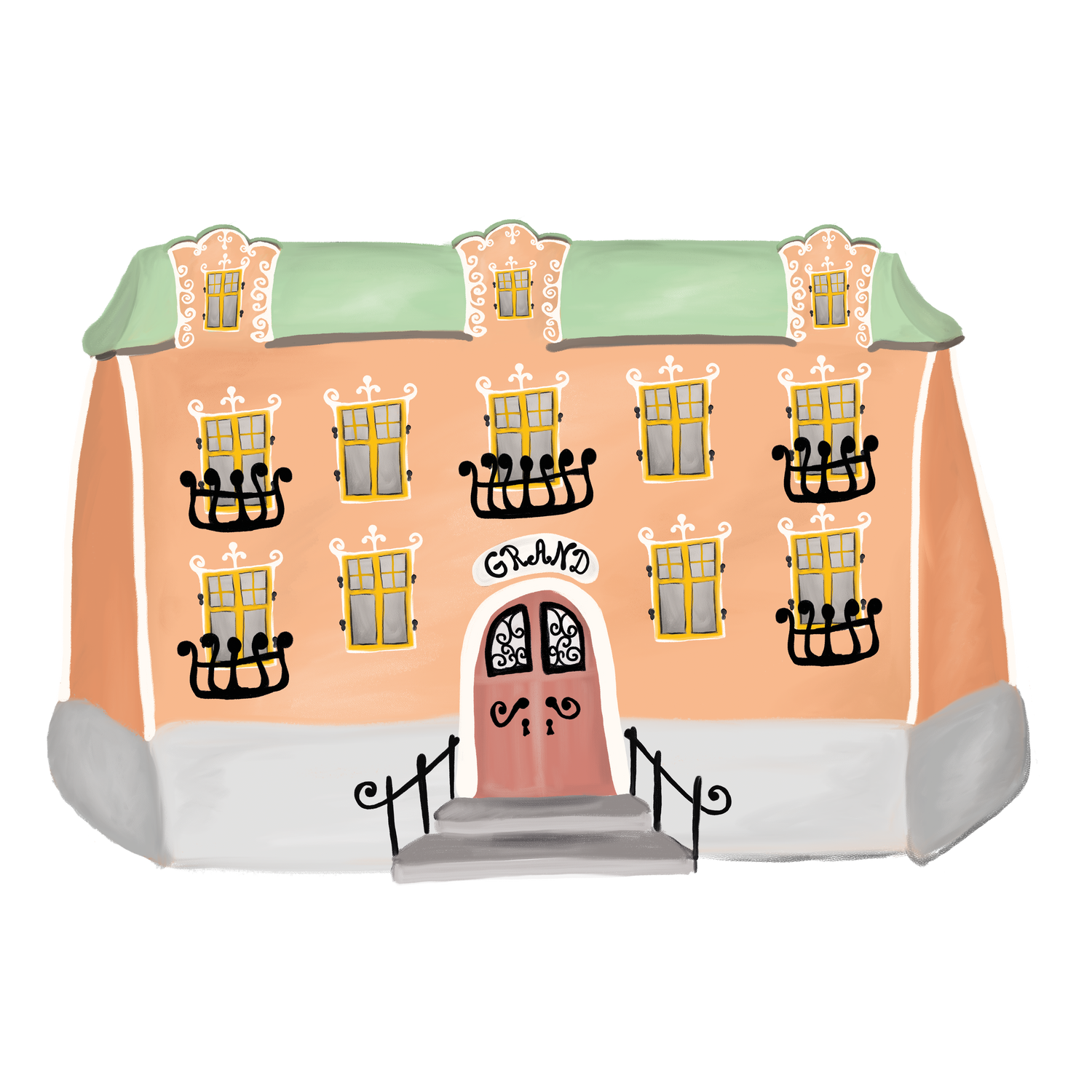
Grand Hotel
The stately building by Motala River was erected in 1906 for the great industrial exhibition in Norrköping. It was inaugurated as Göta Hotel and quickly became a hub for the city's social life. With its magnificent salons and central location, the building has attracted both travelers and locals throughout the years. Since 1987, the hotel has been operated under the name Elite Grand Hotel.
Norrköping
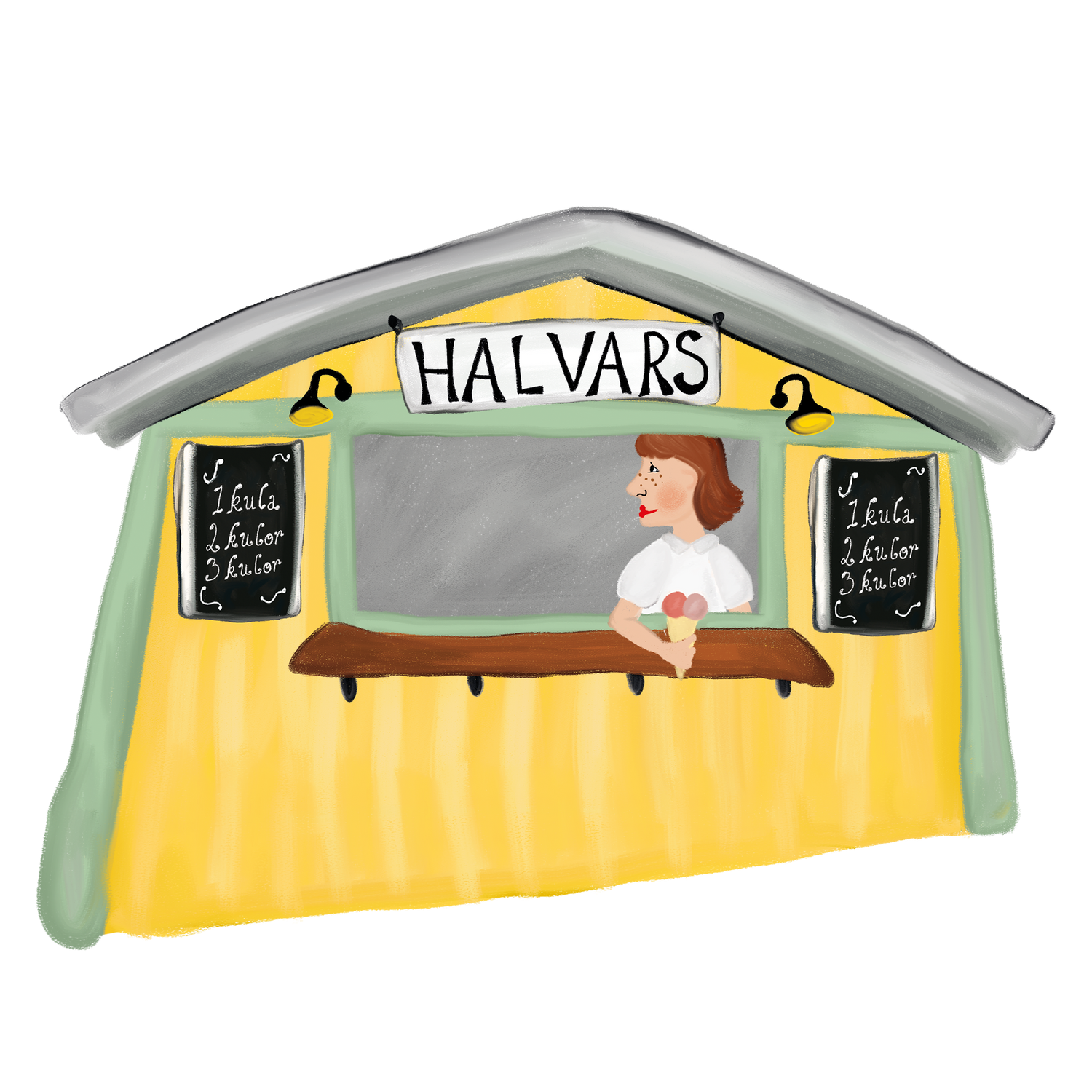
Halvars Ice Cream Kiosk
Halvar Andersson started selling his own ice cream in 1936, originally from a cart on Södra Promenaden. The permanent kiosk was built during the 1950s and has since been extended in stages. Halvars is now an institution and is also known from Ulf Lundell's song "Jag går på Promenaden" (I walk on the Promenade).
Norrköping
Holmen Tower
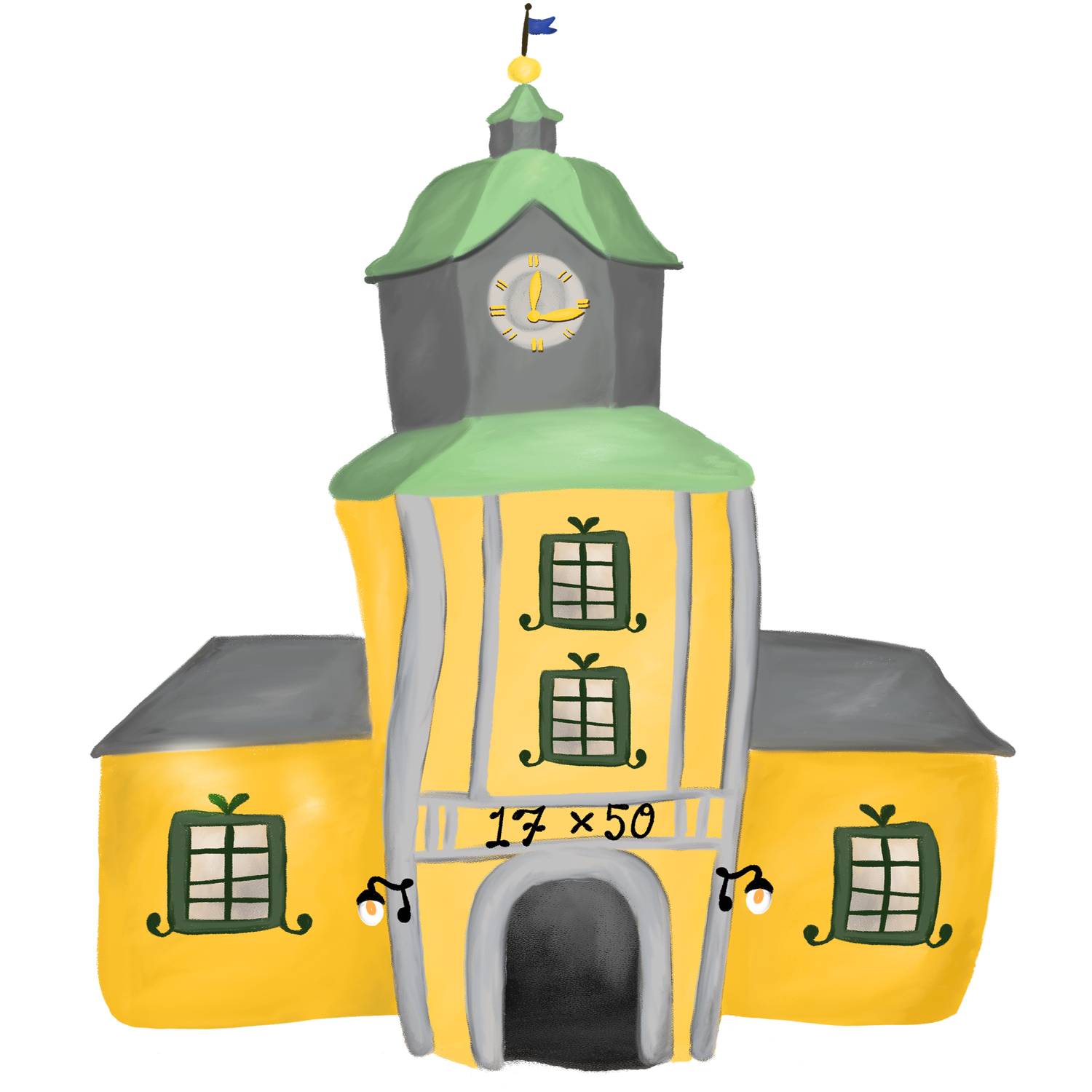
Holmentornet was built in 1750 by master mason and architect Johan Georg Strubel. The yellow color is a result of the architect's trip to Paris where he saw how yellow pigment was mixed into the mortar - today it is known as "Norrköping yellow". Holmentornet was originally part of Holmens Bruk where paper production and textile manufacturing drove the city's economy.
Norrköping
The Love Park
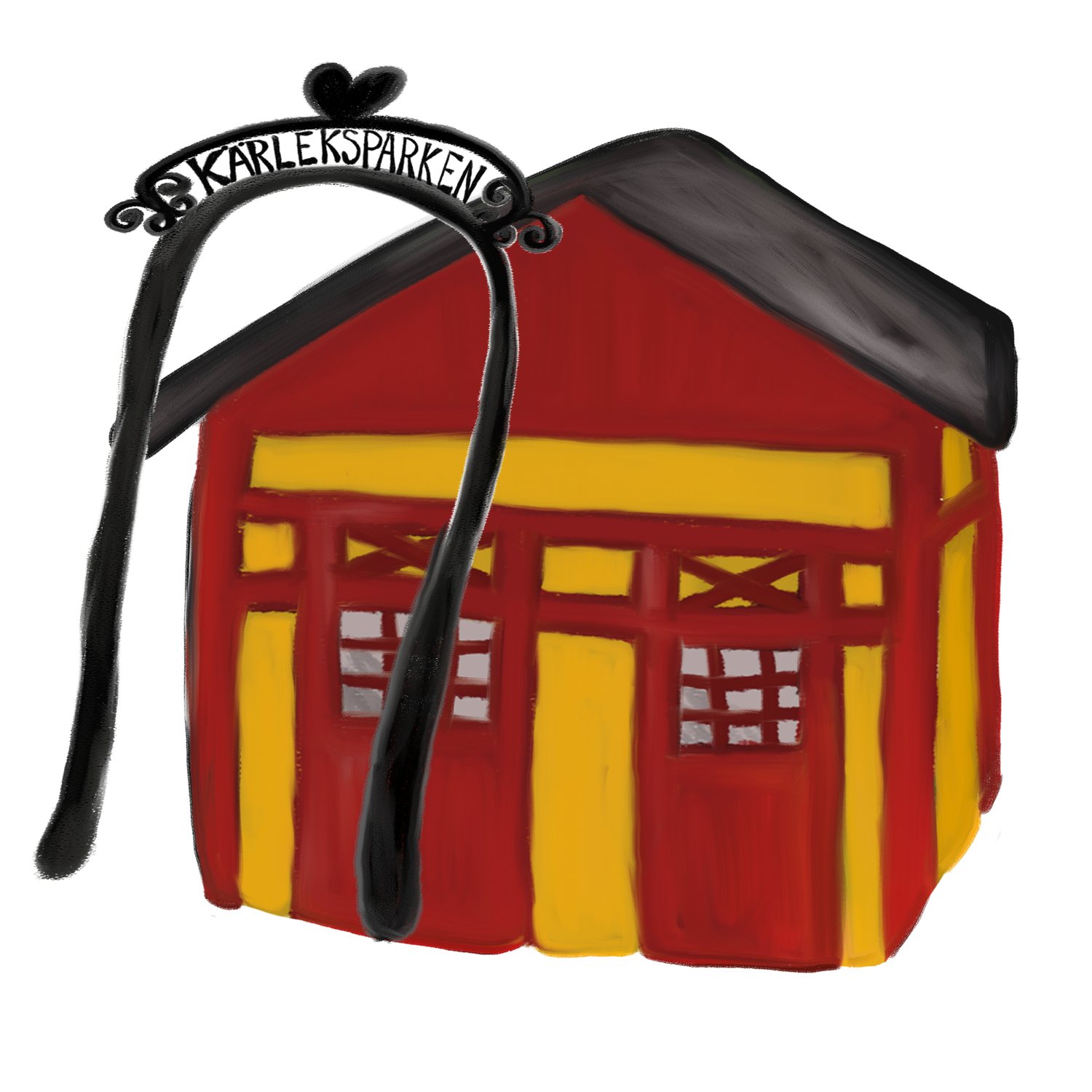
Kärleksparken (Love Park) is nestled between the industrial district and Strömmen river, like a green oasis in the middle of the city. The park was established in the early 20th century and has throughout the years been a place for both everyday relaxation and romantic encounters. The name is said to have originated from popular usage – a nod to the many couples in love who have visited the park over the decades.
Norrköping
The museum crane
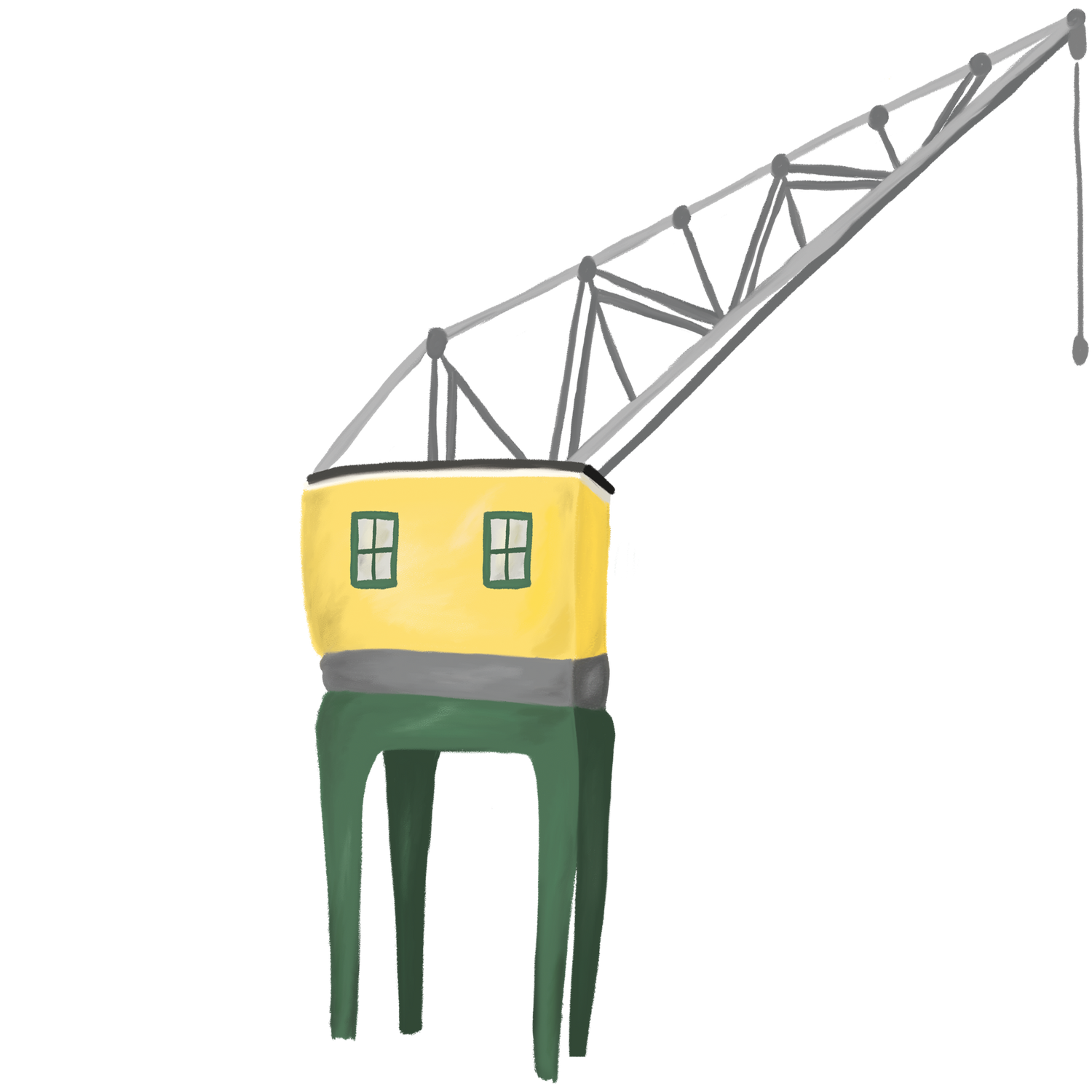
The museum crane was built in Germany in 1914 and has long been a beloved symbol of Norrköping's harbour. After serving in the harbour until 1980, it was given new life as a museum exhibit in 1986. It serves as a reminder of the city's proud industrial history while the area develops into a vibrant urban district.
Norrköping
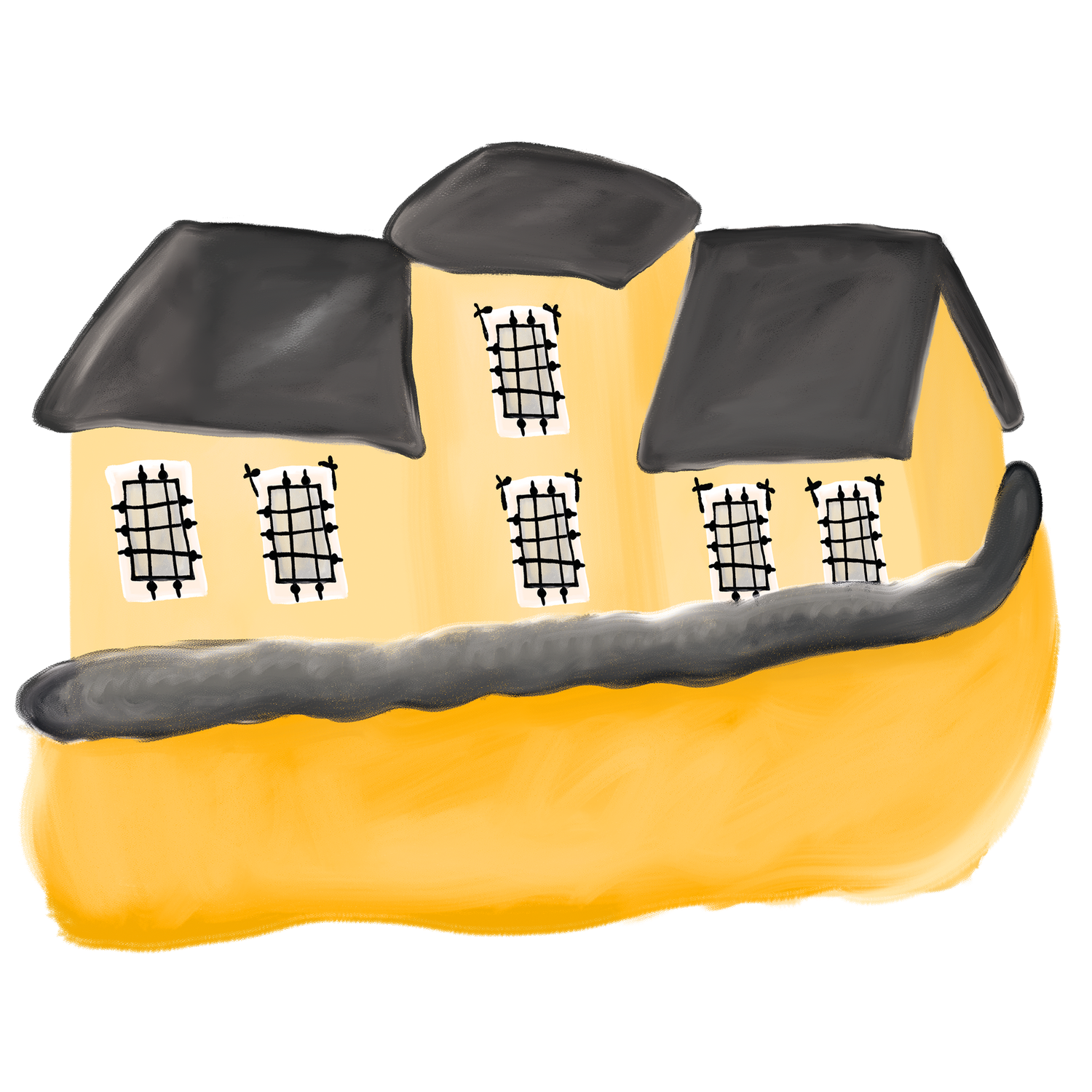
NIGA House
The yellow brick building along Strömmen is an important part of Norrköping's industrial history. Erected in two stages, in 1904 and 1913, by J F Södergren & Sons Fabriksaktiebolag, it was built until 1937 for NIGA – Norrköpings Färgeriaktiebolag. The NIGA building is today the entrance to Norrköping City Museum.

Norrköping
The Last Drop
The small stone house at Västgötegatan 30 is popularly known as Sista Supen (The Last Drink). The house was built around 1760 and housed the laboratory belonging to the adjacent pharmacy Östgöta Lejon. According to legend, those condemned to death were given a last drink here on their way to their execution on Galgberget – hence the name.

Norrköping
The iron
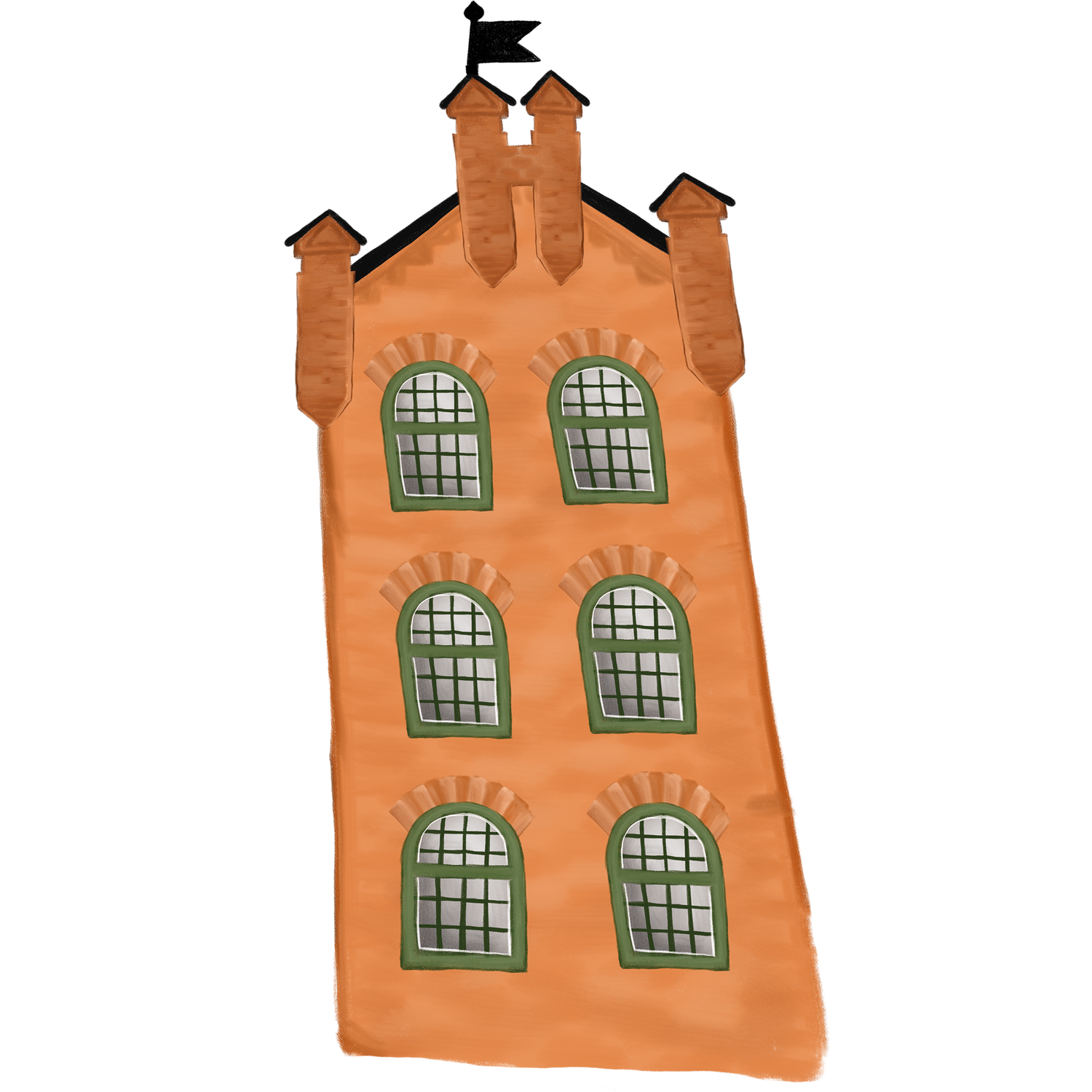
The distinctive building was erected in 1916–1917, designed by Folke Bensow, on behalf of Holmens Bruks och Fabriks AB. Its impressive shape earned the building the nickname "Strykjärnet" (The Iron). Initially, it was used as a cotton weaving mill and spinning factory, but since 1991, Strykjärnet has been home to the Museum of Work.
Norrköping
The Heat Church
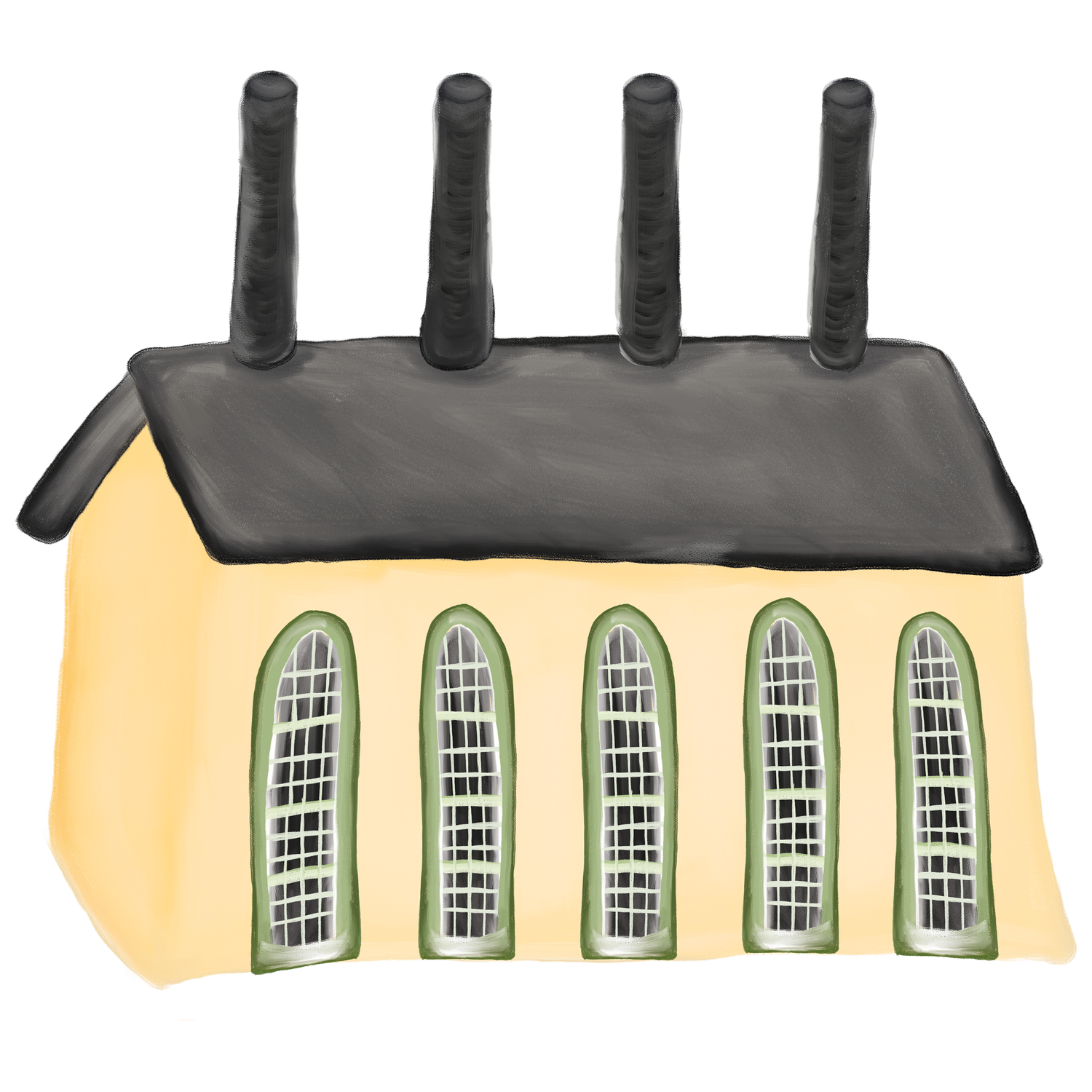
Värmekyrkan was built in 1927 as a steam power plant for Holmens bruk. Here, coal was burned to supply the city's industries with steam and heat – the heart of Norrköping's pulsating factory landscape. Today, Värmekyrkan is part of Louis De Geer Konsert & Kongress and is used as a concert and event venue, where the raw industrial heritage lives on in a new form.

Norrköping
Ebba Årsjö
Ebba Årsjö is an alpine skier and one of Sweden's most prominent para-athletes. She grew up in Norrköping, and her successful career began in Yxbacken. Since she started competing internationally in 2019, she has achieved numerous successes, winning medals in both the Paralympics and World Championships.

Norrköping
Lars Stjernkvist
Lars Stjernkvist, born in 1958, is a highly regarded politician and former municipal commissioner in Norrköping. During his time in leading roles, he has been a strong driving force behind the city's renewal and development. His commitment and work have made him a respected and appreciated figure who has contributed to shaping modern Norrköping.
Norrköping
Louis De Geer
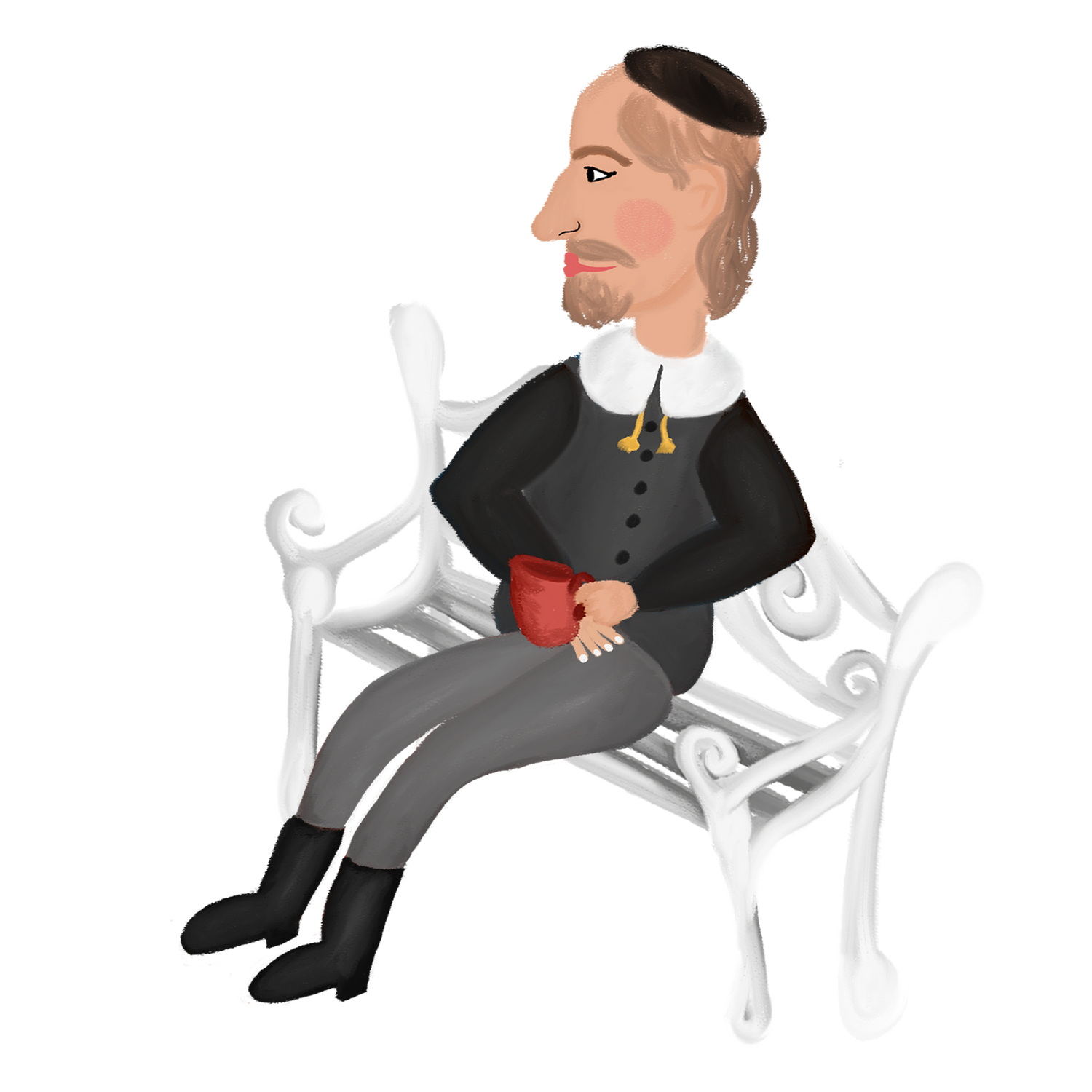
Louis De Geer is often described as the father of Swedish industry. He was born in the Netherlands in 1587 but worked in Norrköping where he played a key role in the city's industrialization - particularly in arms production and the textile industry. Today, he is honored with a statue in Gamla Torget (Old Square) that commemorates his great importance for the city's development.

Norrköping
Malin Baryard
Malin Baryard, born in Söderköping in 1975 and raised in Norrköping, is one of Sweden's most successful equestrians. She started riding at the age of six and had her breakthrough already in her teenage years. Over the years, she has won medals in the Olympics, World Championships, and European Championships. With her passion for horses and her charisma in the saddle, she has become a beloved figure – both at home and internationally.

Norrköping
Markus Krunegård
Markus Krunegård is one of Sweden’s most beloved artists – with music that carries traces of both his upbringing, longing, and strong ties to his hometown of Norrköping. He was born in 1979 and grew up in Röda Stan. With his characteristic voice, he broke through as the frontman of the band Laakso, but it was as a solo artist that he truly made his mark on the Swedish music scene.

Norrköping
Mikko Riipinen
Mikko Riipinen is a beloved basketball figure. As coach for Norrköping Dolphins, he led the team to four consecutive Swedish Championships and two cup victories, and quickly became popular for his calm leadership and commitment. In early 2025, he moved on to Europe, but his hometown of Norrköping and the Dolphins are still close to his heart.
Norrköping
Moa Martinsson
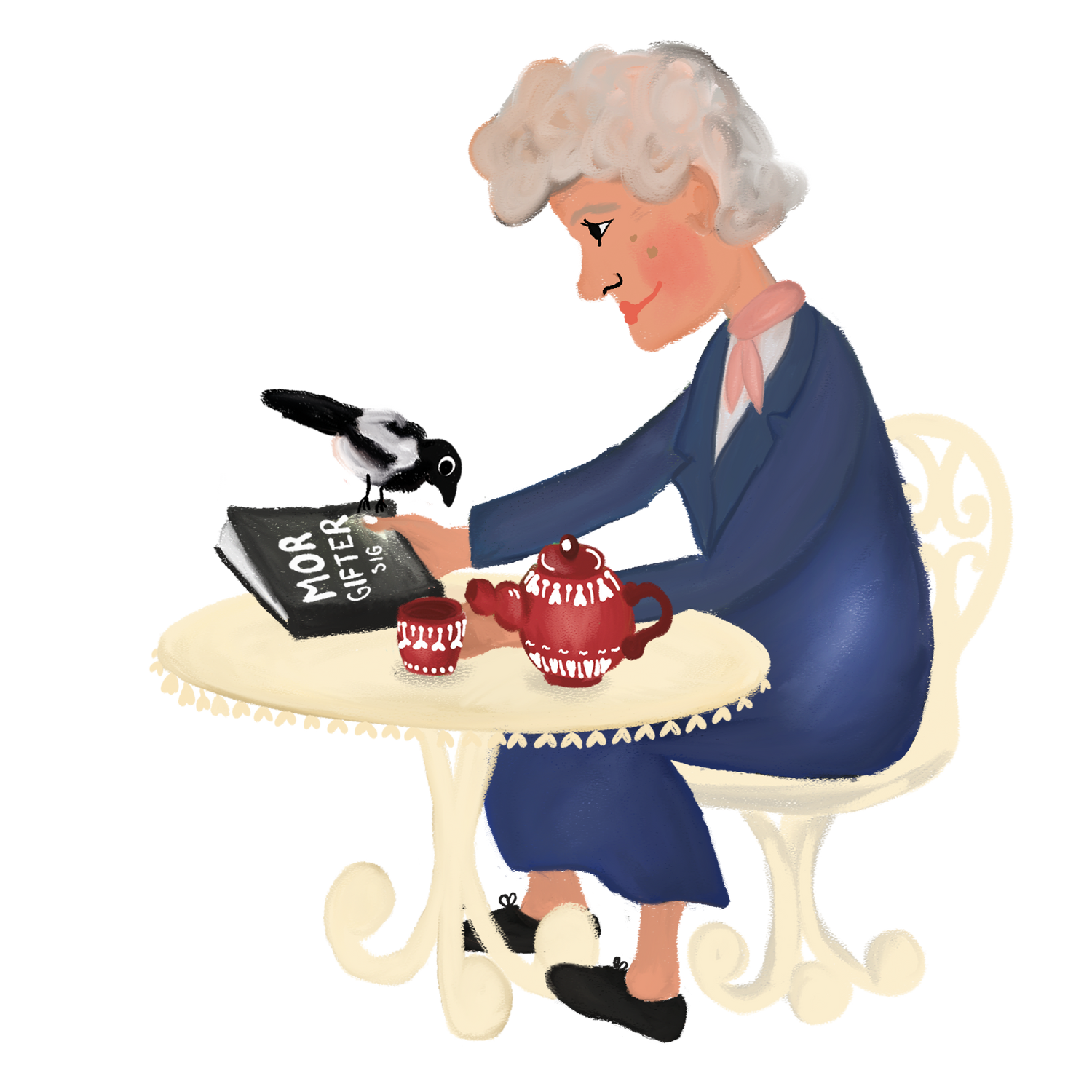
Moa Martinsson has become one of our most beloved authors – a pioneer who gave a voice to the lives of working women. She is best known for the autobiographical novel series "Mother Gets Married", in which she describes her childhood and youth in Norrköping from 1890-1906. Even today, her memory is honored in the city through monuments at places where she lived and worked.

Norrköping
Pernilla Wiberg
Pernilla Wiberg is one of Sweden's most prominent sports personalities. She was born in Norrköping in 1970 and took her first turns in Yxbacken – where she laid the foundation for a brilliant skiing career. Despite international successes, she has maintained ties to her hometown, including through the Pernillafonden (Pernilla Fund), which supports young skiing talents in Yxbacken.

Norrköping
Plura Jonsson
Plura Jonsson is Norrköping's pride and joy – an artist whose roots carry the city's soul in his music. In 1971, together with his brother Carla, he founded the band Eldkvarn, which soon became one of Sweden's most beloved rock bands. The connection to the city is clear, not least in the song Kungarna från Broadway (The Kings from Broadway), which was inspired by the brothers' favorite cafe of the same name.

Norrköping
Lars Ove Karlsson
Dad out for a walk with the dog Buster.

Norrköping
Christian Odelmar
Childhood friend and big supporter of IFK Norrköping.