
Lysekil
Kallbadhuset
Brändaholm began to be developed in the 1920s when residents of Karlskrona built small allotment cottages on the small islet near Dragsö. The red cottages with white trim were built close to each other, and the area soon developed into a beloved summer idyll.

Lysekil
The Admiralty Church
The Admiralty Church was consecrated in 1685 as a provisional church for Karlskrona's new Admiralty parish and was named Ulrica Pia after Charles XI's queen Ulrica Eleonora. The church was originally intended to be replaced by a stone church, but it remained and is still called "a stone church built of wood" today. With its red wooden facades and the wooden figure of Rosenbom outside the entrance, the church is now one of Karlskrona's most beloved landmarks.
Karlskrona
Fredrik's Church
Fredrikskyrkan, built to the designs of Nicodemus Tessin the Younger, was started in the 1720s and consecrated in 1744, in the middle of Stortorget in Karlskrona. The yellow Baroque church was built in honour of King Fredrik I and quickly became an obvious focal point in the city's new centre. With its mighty dome and open square, the church is still one of Karlskrona's foremost landmarks.

Karlskrona
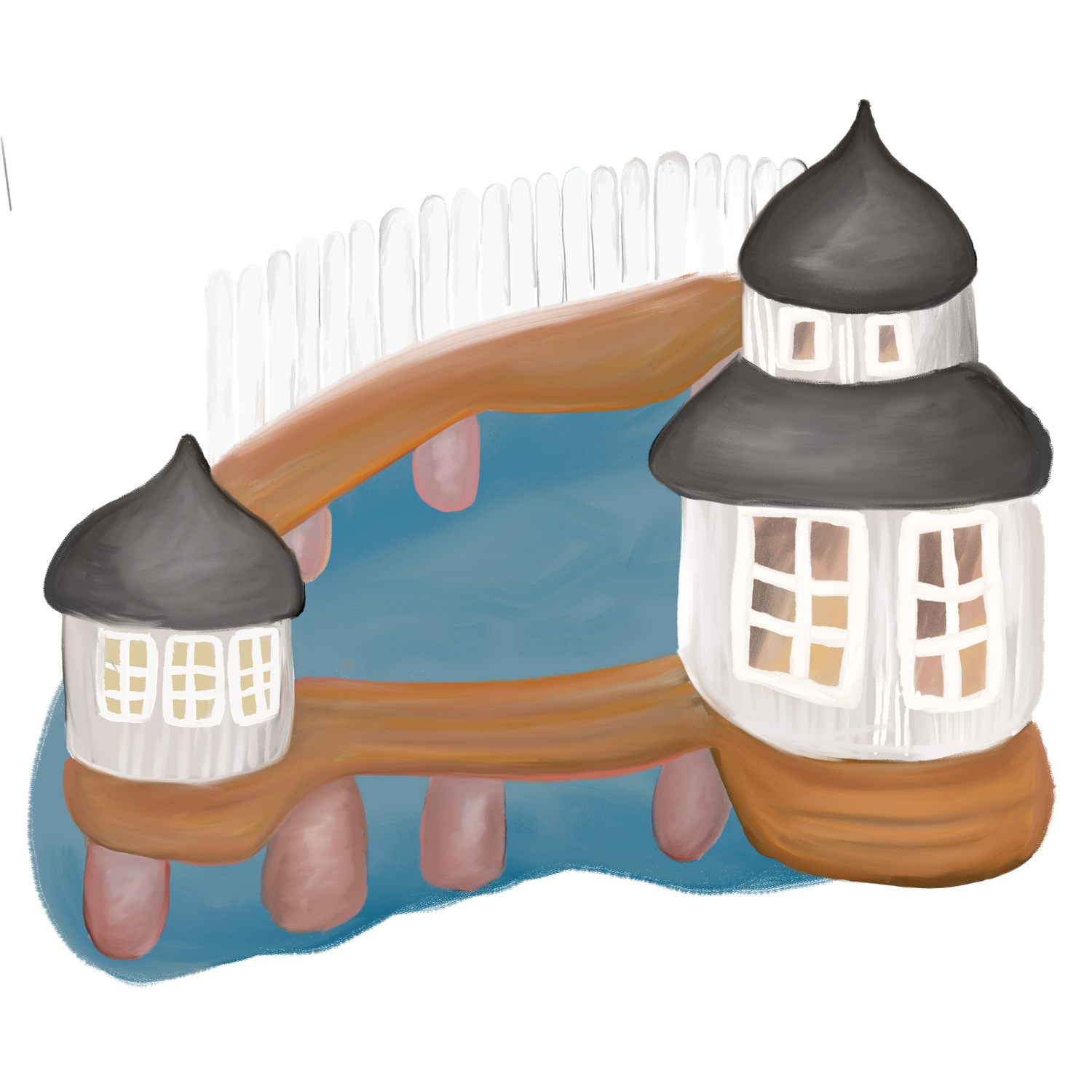
The Warm Bath House
The Warm Bath House in Karlskrona was built between 1903 and 1904, based on drawings by the well-known bathhouse architect Wilhelm Klemming. With its Art Nouveau facade and meticulous details, the building is a clear example of the architecture of its time and is considered one of Sweden's oldest and best-preserved bathhouses.

Karlskrona
The Naval Museum
The Naval Museum on Stumholmen was inaugurated in 1997 by King Carl XVI Gustaf and is Sweden's national museum for naval history. The museum's origins date back to 1752 when King Adolf Fredrik founded the Model Chamber in Karlskrona, where models of ships and constructions were used to develop new vessels. Today, the museum tells the story of Sweden's maritime heritage through several centuries of seafaring and defense history.

Lysekil
The Sloop and Launch Shed
The Sloop and Barge Shed was built in the 1780s during the great expansion period of the Swedish navy and was used for winter storage of the navy's smaller boats. Here, sloops and barges were stored, which were used to transport crews, food, and materials between warships and land. Today, the mighty building houses both historical small boats and exhibitions about the navy's ship's boats throughout history.

Lysekil
Sjöbodarna
Björkholmen emerged in the 18th century as a residential area for Karlskrona's shipyard workers and sailors. Here, the first workers built their small wooden houses, and according to legend, much of the timber came from the navy's own stores. The narrow alleys and tightly built houses gave the area a lively and charming character that still makes Björkholmen one of Karlskrona's most beloved historical environments.