
Kalmar
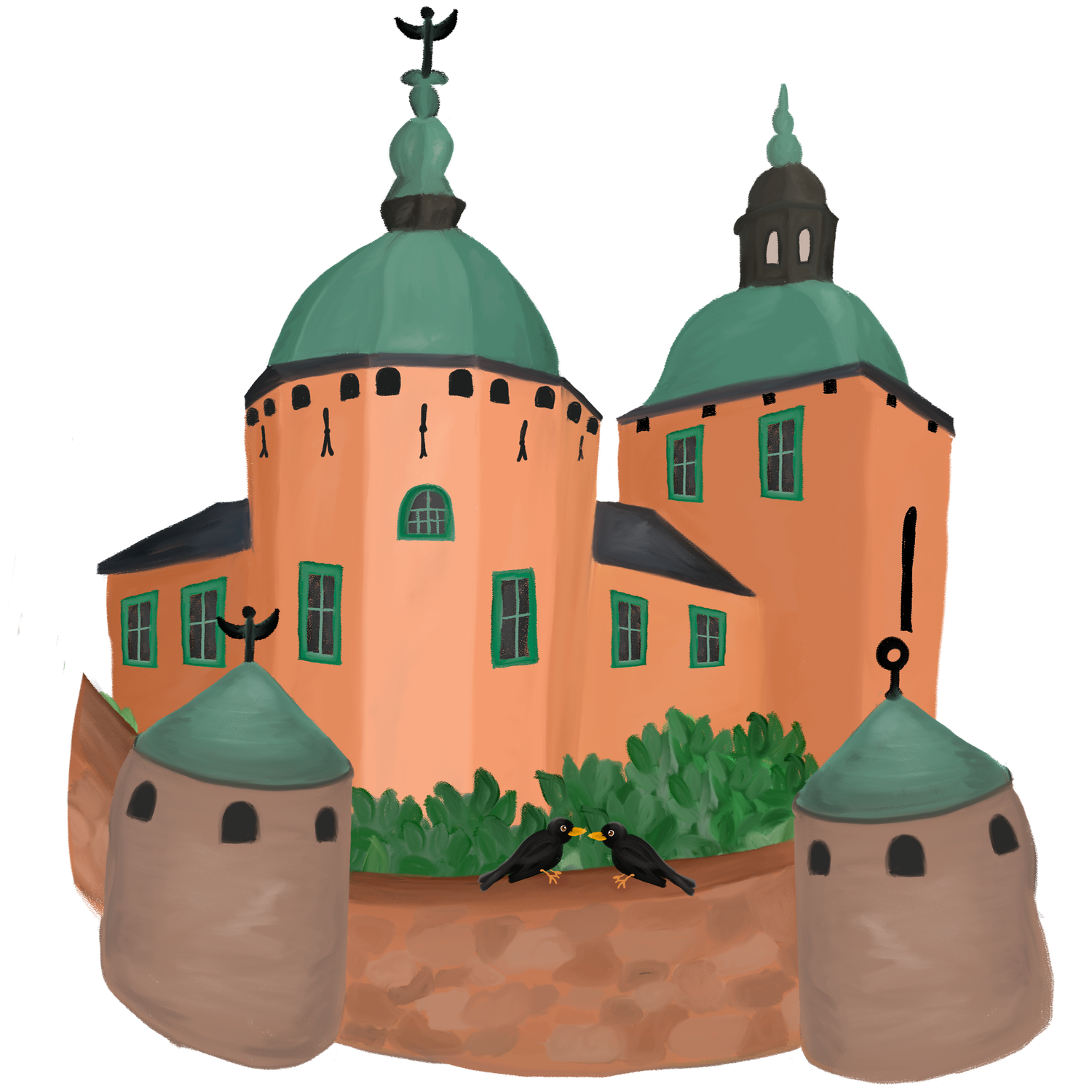
Kalmar Castle
Kalmar Castle dates back to the 12th century and is considered one of Sweden's most important historical buildings. The Kalmar Union was signed here in 1397, and the castle played a central role in the kingdom's defense until the 17th century. Today, it is a living museum where Renaissance environments meet dramatic history.
Kalmar
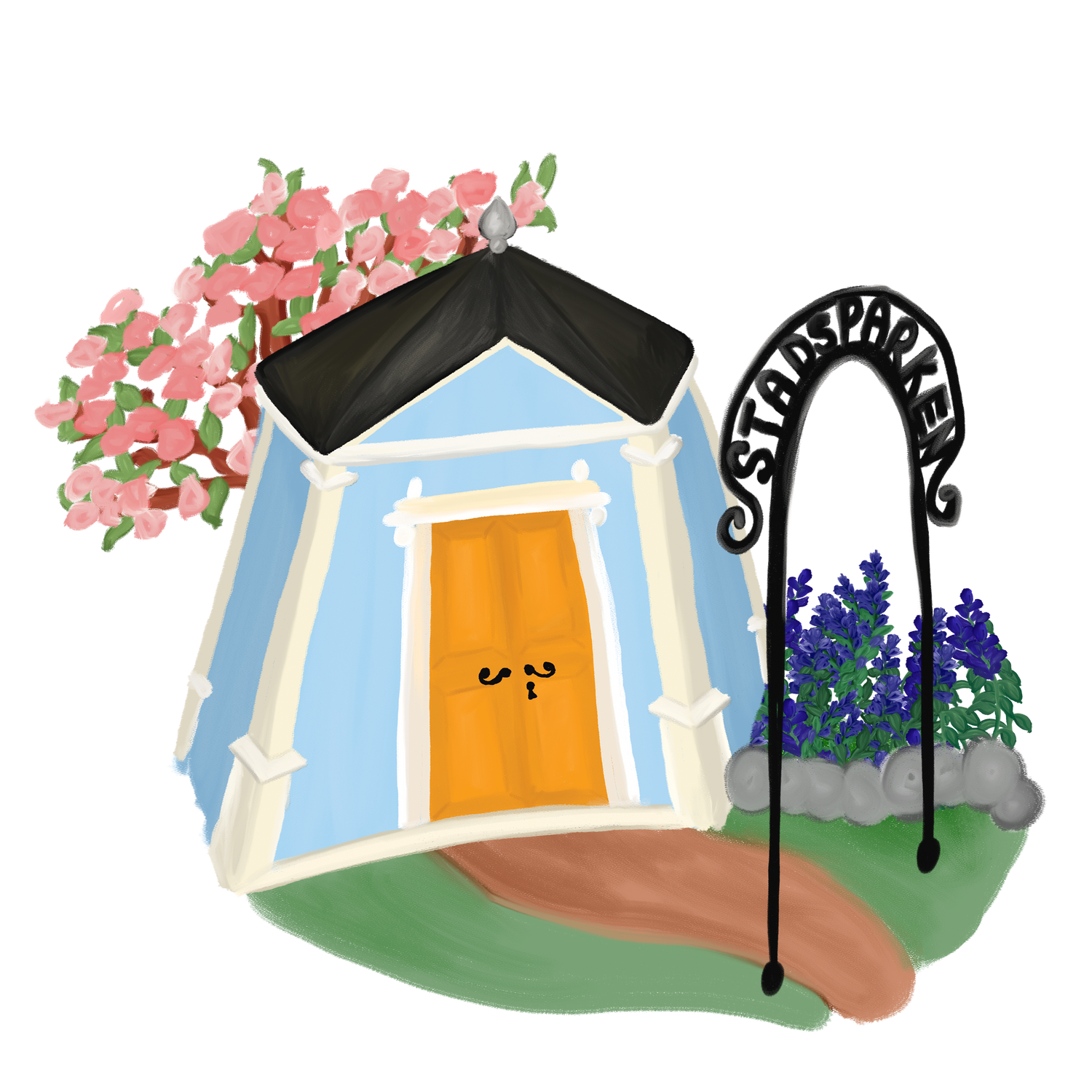
City Park
Kalmar City Park was laid out in the 1870s in the English style and is one of the country's best-preserved parks from that period. Here, promenades, fountains, and flowerbeds coexist with views of Kalmar Castle. Since 1985, the park has held the title of Sweden's most beautiful – and remains a beloved oasis for both the city's residents and visitors.
Kalmar
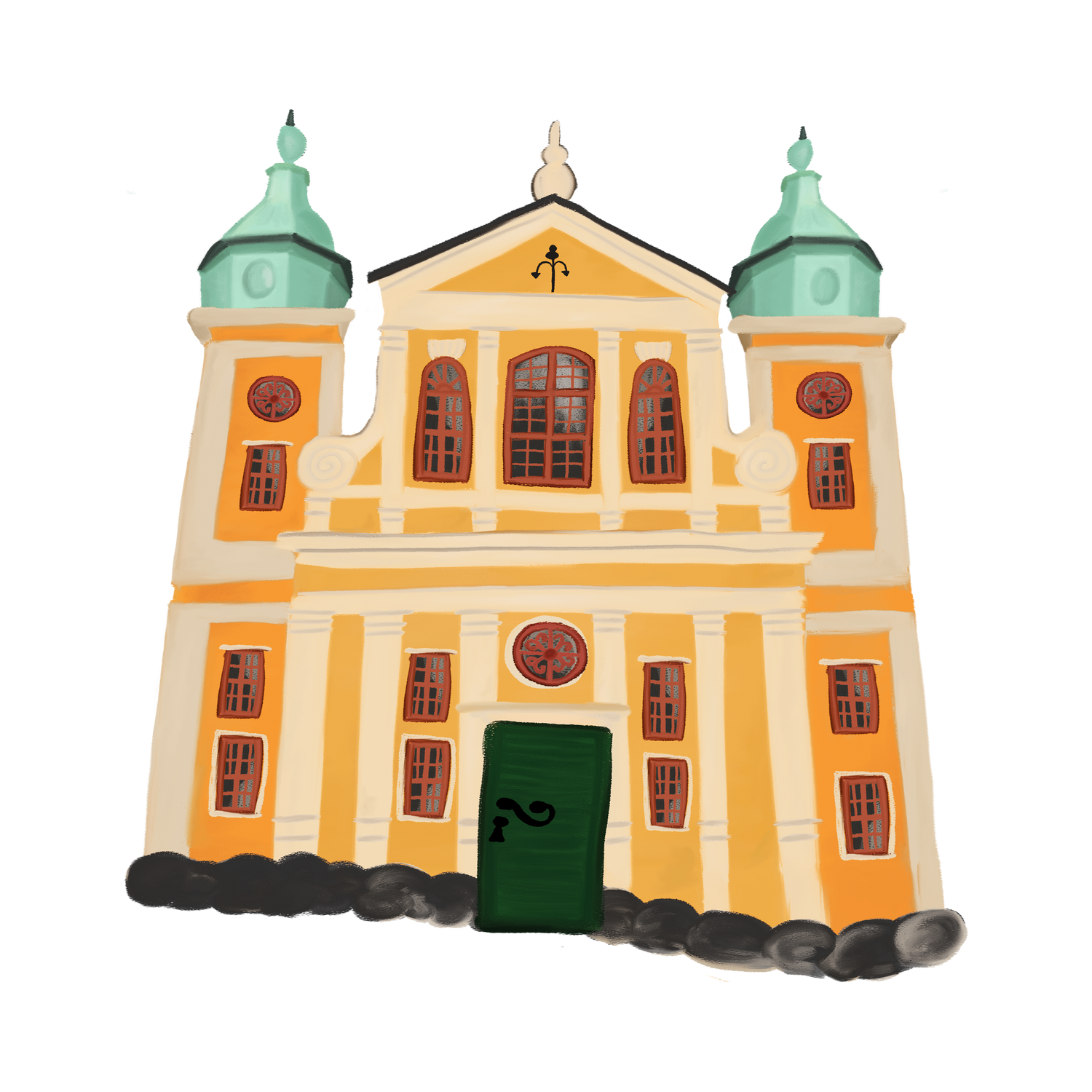
Kalmar Cathedral
Kalmar Cathedral was consecrated in 1682 and is one of Sweden's foremost Baroque buildings. It was designed by Nicodemus Tessin the Elder and built in the middle of the new city plan after Kalmar was moved from the castle to Kvarnholmen. With its light limestone facade, high dome, and stylish interior, the church rises as a mighty landmark over the city square – a place for both tranquility and magnificent architecture.
Kalmar
Castenska Farm
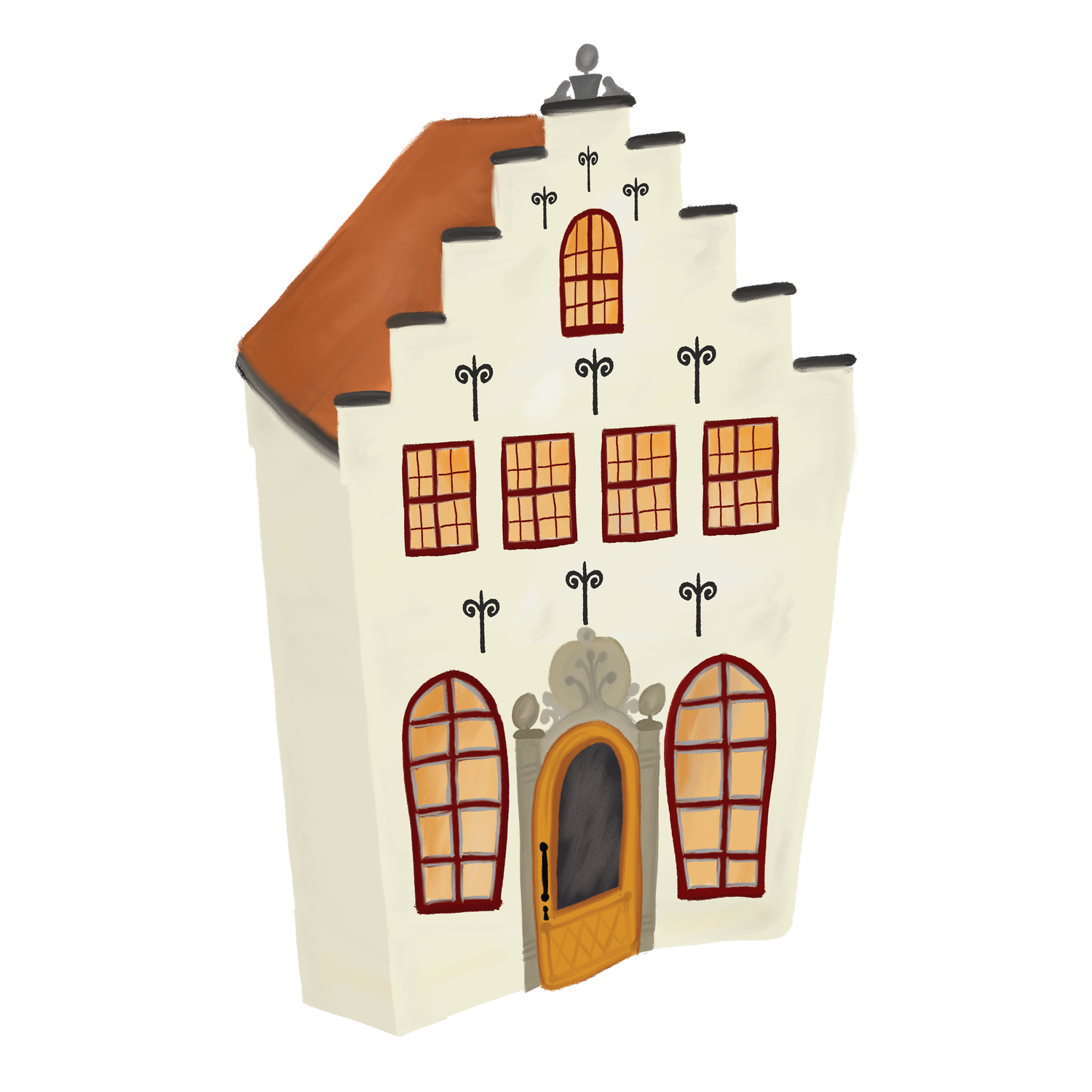
In the heart of Kvarnholmen's town center stands Castenska gården, built in the mid-17th century, consisting of two adjoining houses facing Storgatan and several courtyard buildings, including an old stable. The white-plastered building is one of Kalmar's oldest preserved stone houses and bears traces of both commerce and private life from bygone centuries.
Kalmar
Rackargården
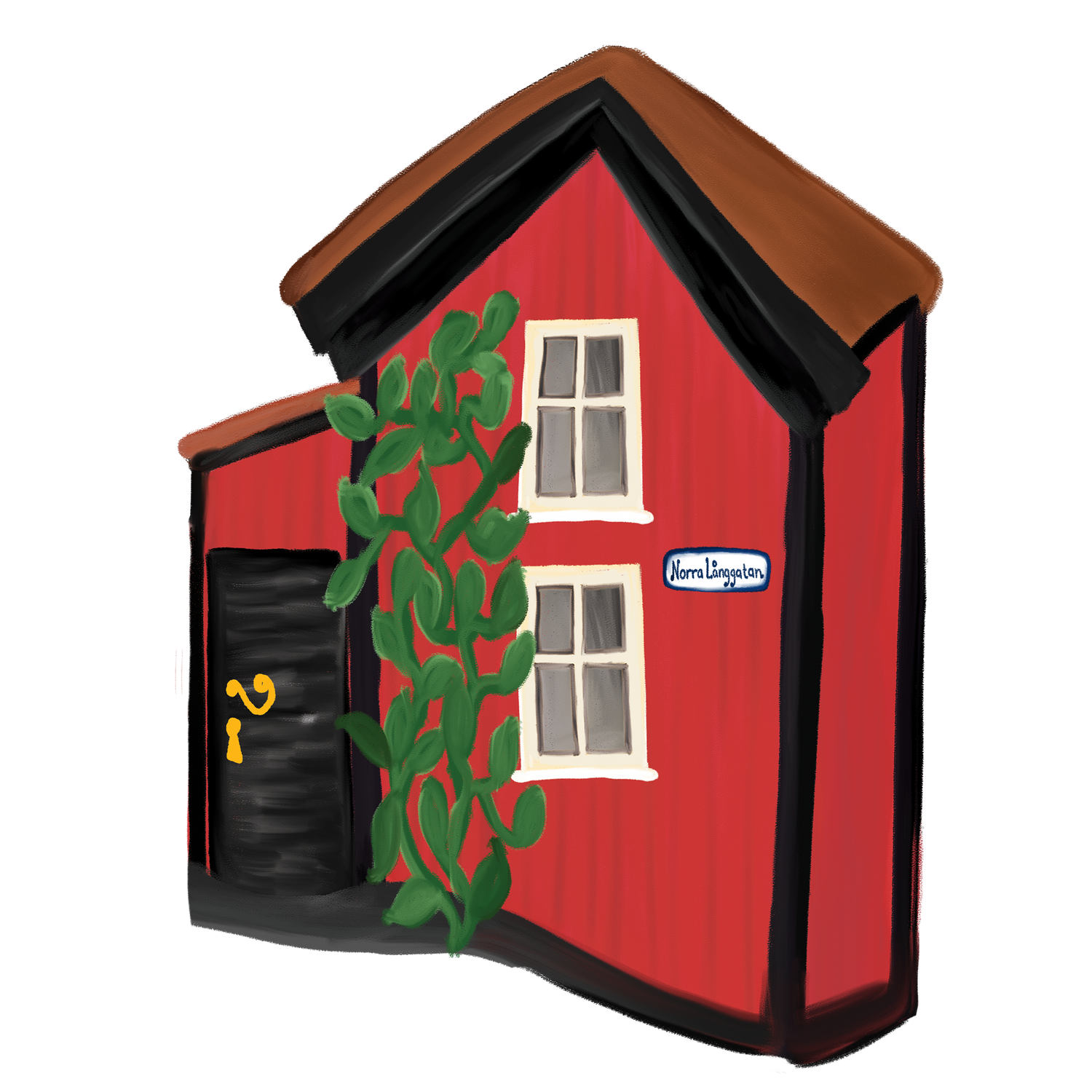
Rackargården is a red 18th-century cottage that is said to have been home to Kalmar's knacker – the most despised profession in society. He assisted the executioner, dug graves, emptied latrines, and dealt with animals that had died of natural causes. In the 19th century, the tasks became more mundane, such as sweeping chimneys. Today, it is exhibited as a cultural-historical monument.
Kalmar
Cat's Bum
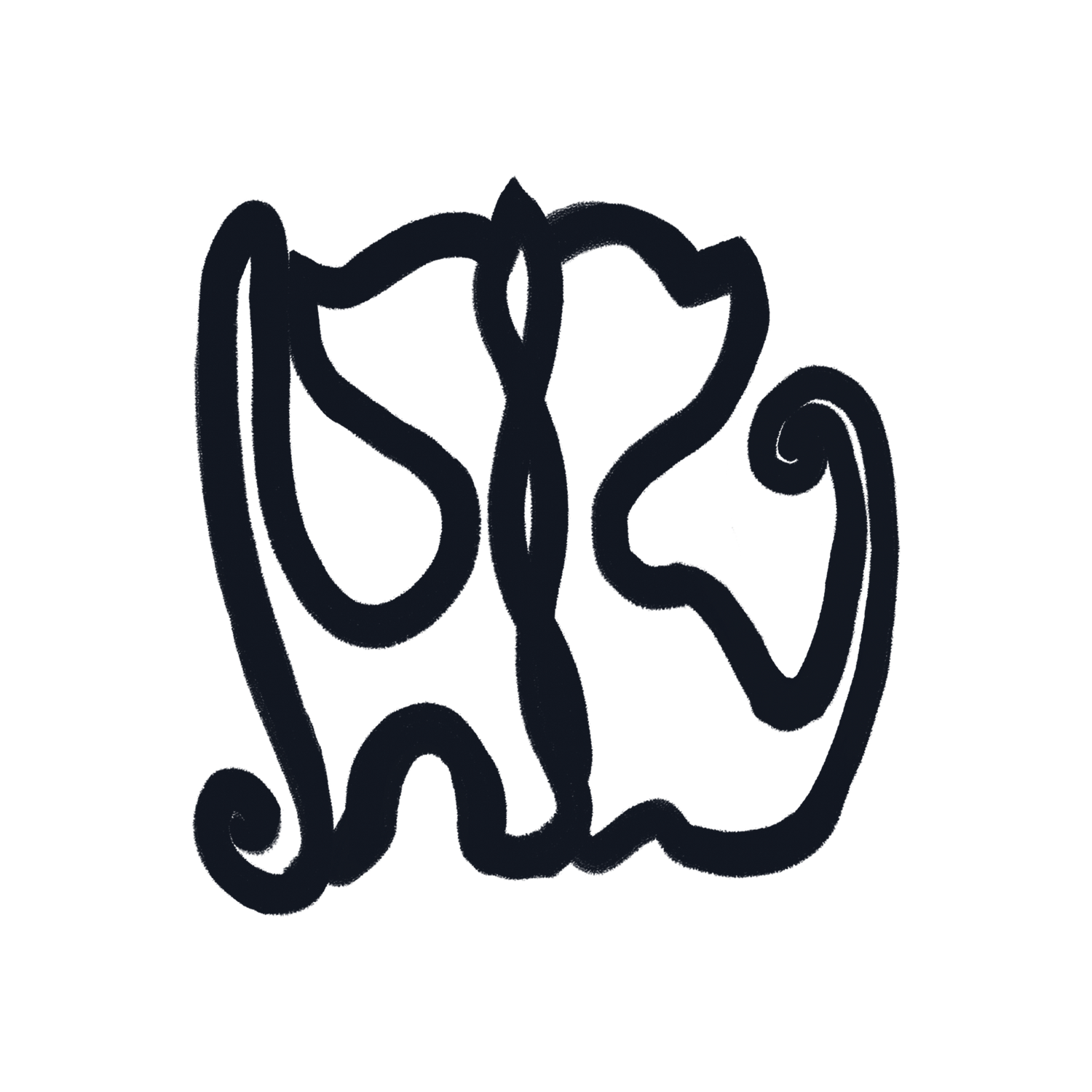
Kattrumpan is one of Kalmar's oldest districts, located on a narrow spit of land at the very end of Kvarnholmen. The name is said to come from the fact that the landform resembles a cat's rear end. Here, low wooden houses, cobblestone alleys, and sea-view vistas meet. A stroll through Kattrumpan is like walking through Kalmar in miniature – charming, coastal, and full of character.
Kalmar
The Öland Bridge
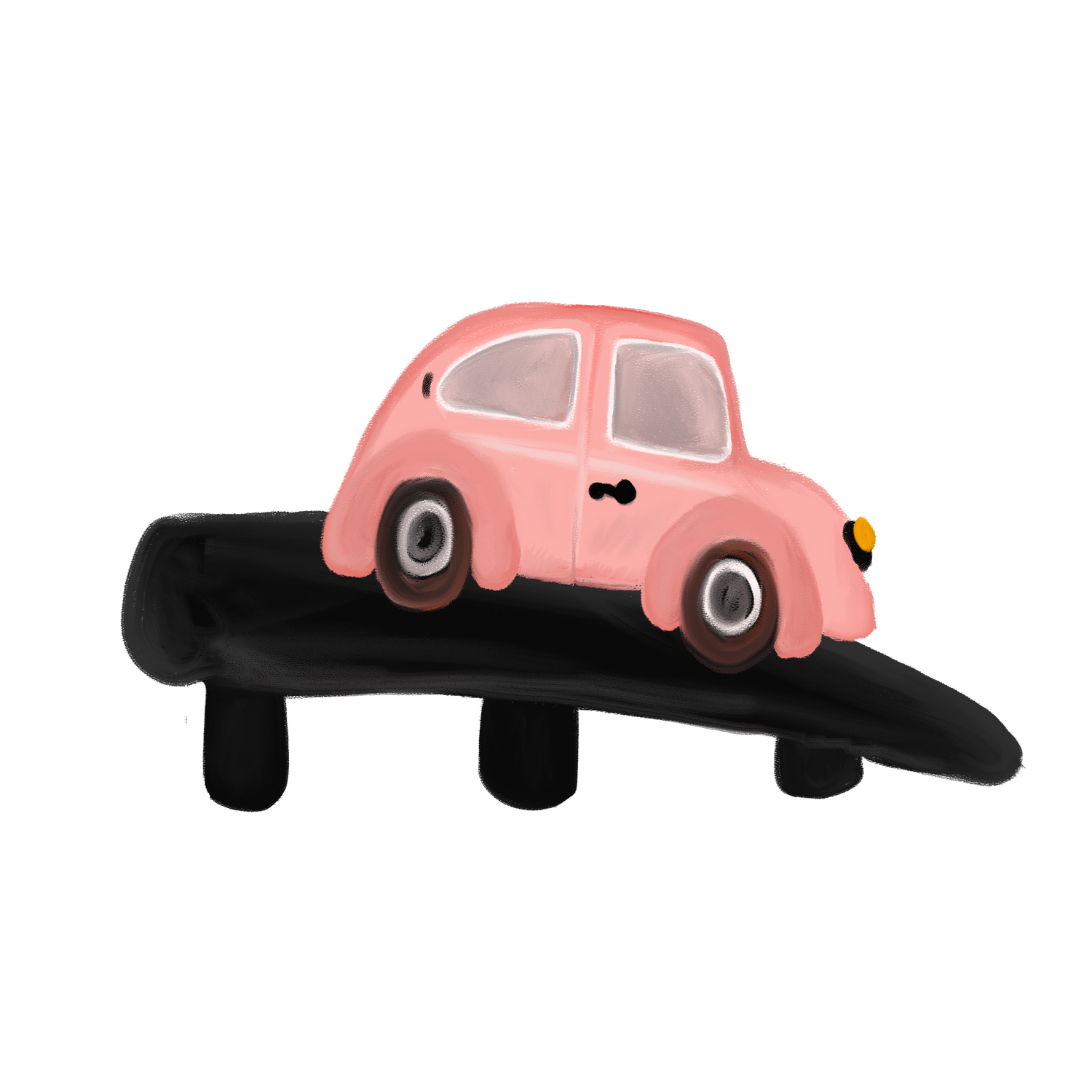
When the Öland Bridge was inaugurated in 1972, it was Europe's longest bridge at 6,072 meters. The bridge connects Kalmar with Färjestaden on Öland and quickly became a lifeline for both work and tourism. With its 156 pillars and characteristic flap curve, it is a technical landmark – and a symbol of freedom, summer, and the allure of the horizon.
Kalmar
The Water Tower
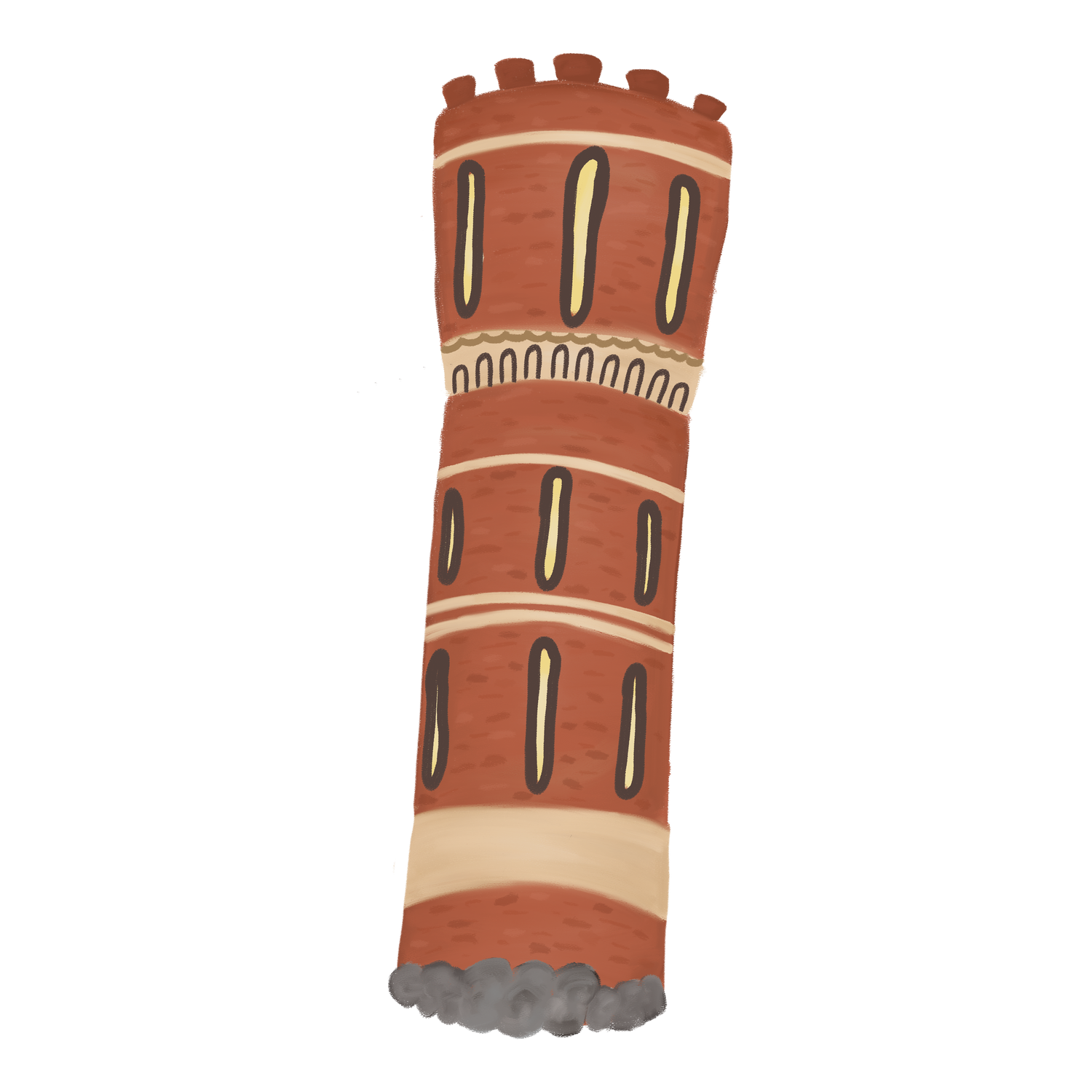
The water tower was built between 1887 and 1900 according to drawings by Hans Hedlund. Built in Art Nouveau style with red brick and rounded forms, it is a well-known feature of the city's skyline. The tower supplied Kalmar with drinking water for over 70 years and played an important role in the city's development. Today, it contains apartments and is visible from afar as a reminder of the city's history.
Kalmar
Krusenstiernska
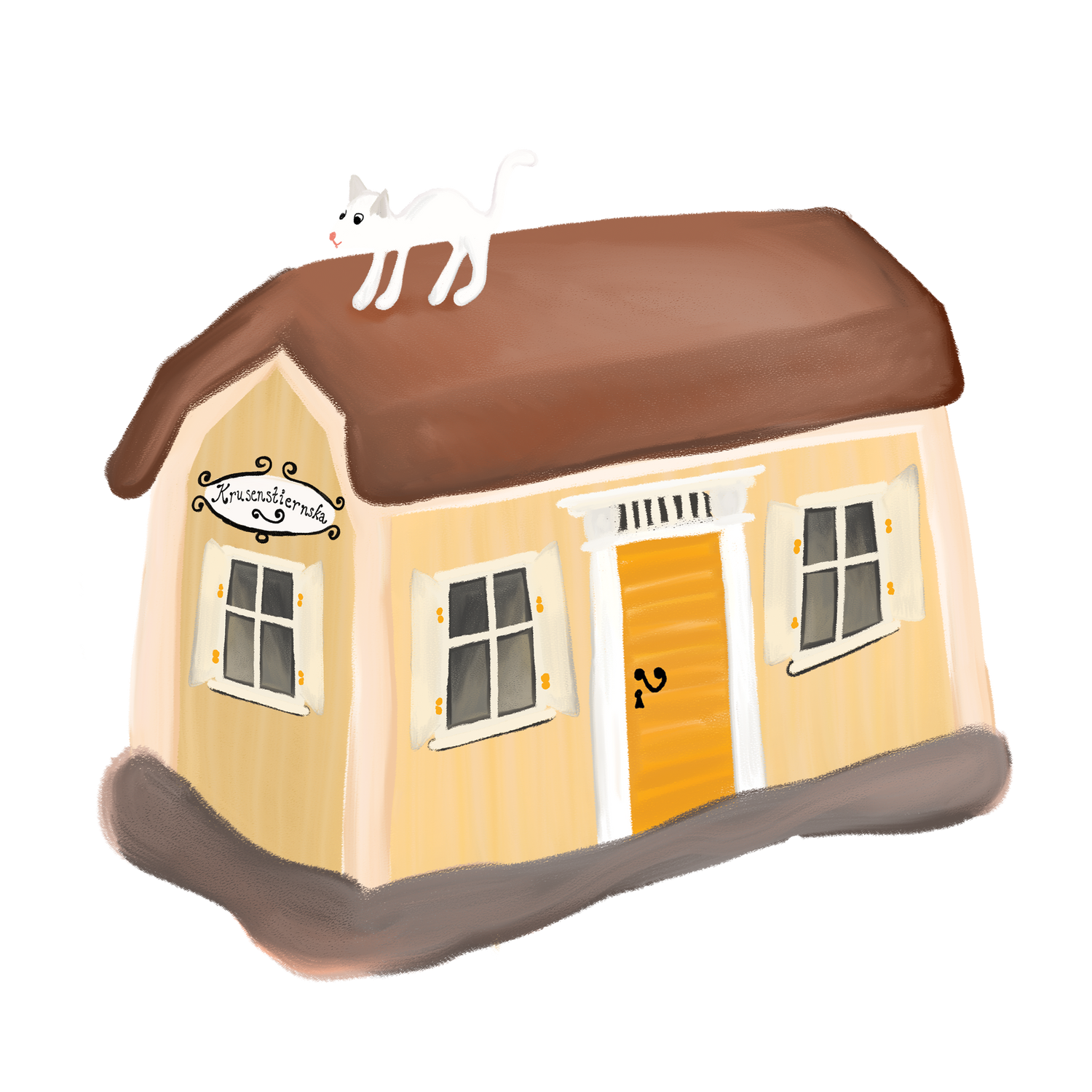
Krusenstiernska gården is a well-preserved 19th-century city garden, located in the heart of central Kalmar. Here you will find old fruit trees, leafy arbours, and historic buildings that have been preserved in their original condition. The garden is open to the public and comes alive during the summer with a variety of cultural events.
Kalmar
Västerport
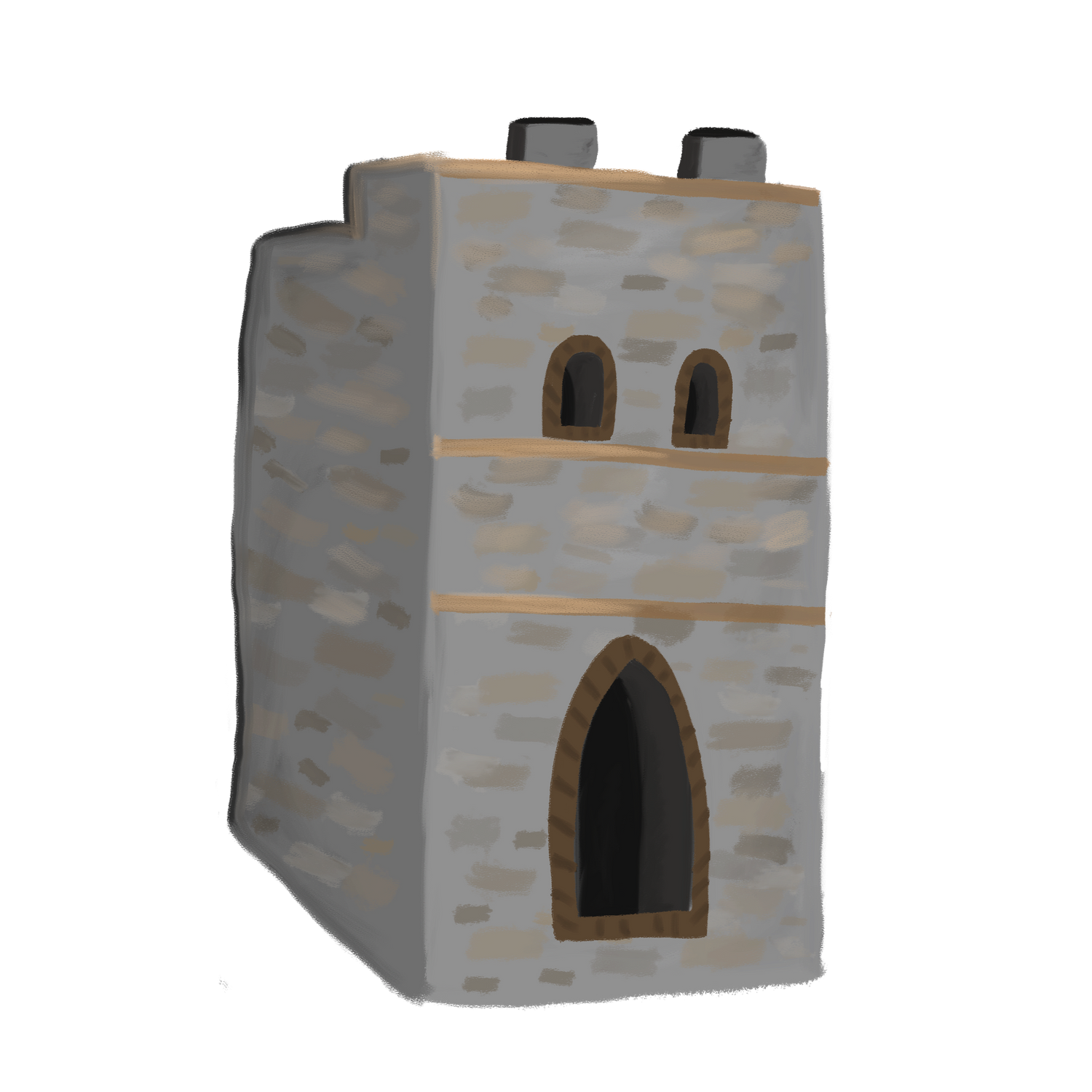
Västerport (the Western Gate), completed in 1658, is a city gate from Kalmar's old city wall and a clear symbol of the city's medieval defenses. As the main entrance to Kvarnholmen, the gate was used until 1870 and serves as a reminder of Kalmar as a strongly fortified Renaissance city. Today, it is a popular attraction that brings history to life and evokes a sense of the past.
Kalmar
Rock-paper-scissors
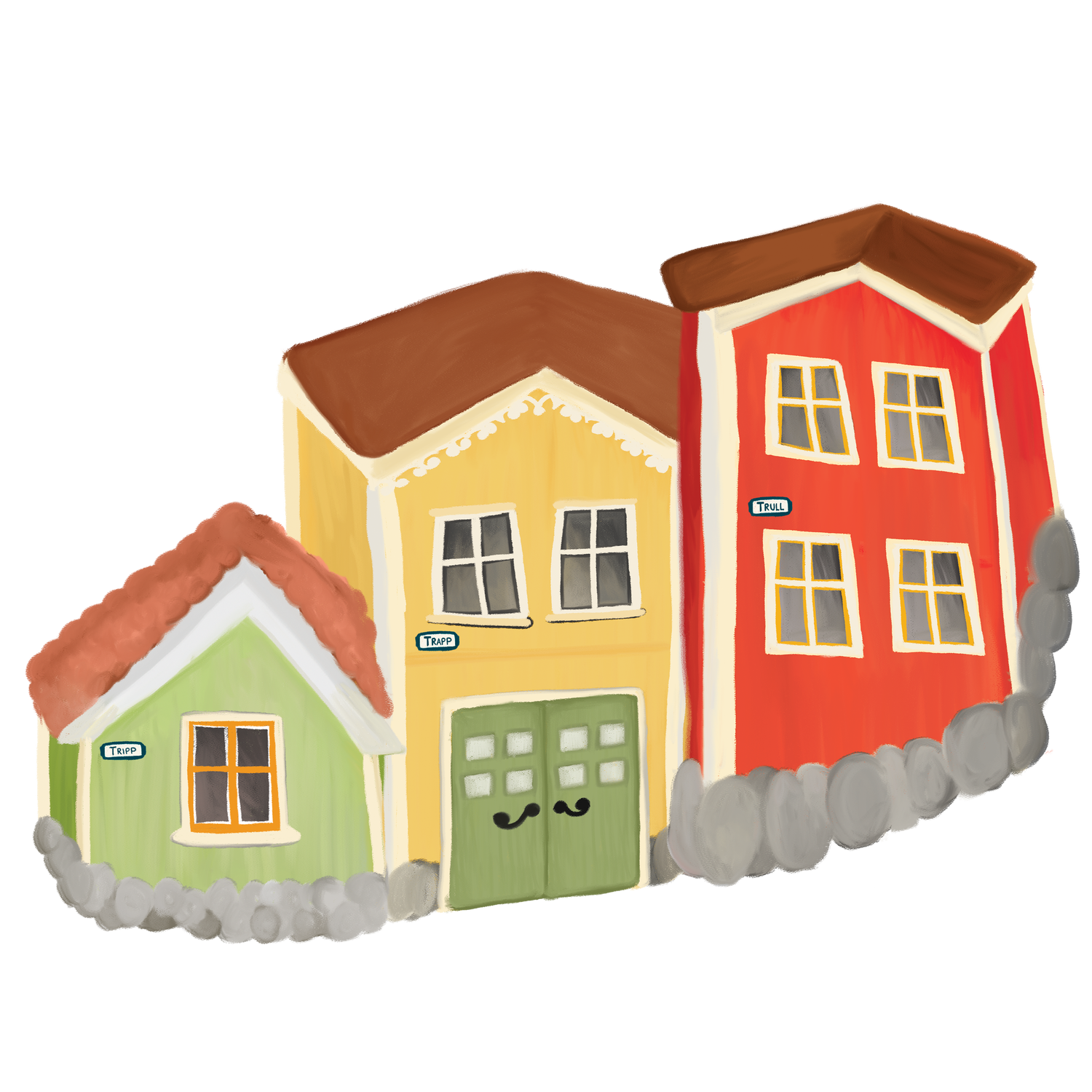
The three narrow wooden houses of varying heights are often called Tripp Trapp Trull. They were erected in the late 18th century and reflect the artisan buildings that characterized Kalmar at that time. With their colorful facades, they have become beloved symbols of the city's small scale and historical charm. Today, they attract both visitors and photographers who want to catch a glimpse of old Kalmar.
Kalmar
Kullzen's Cafe
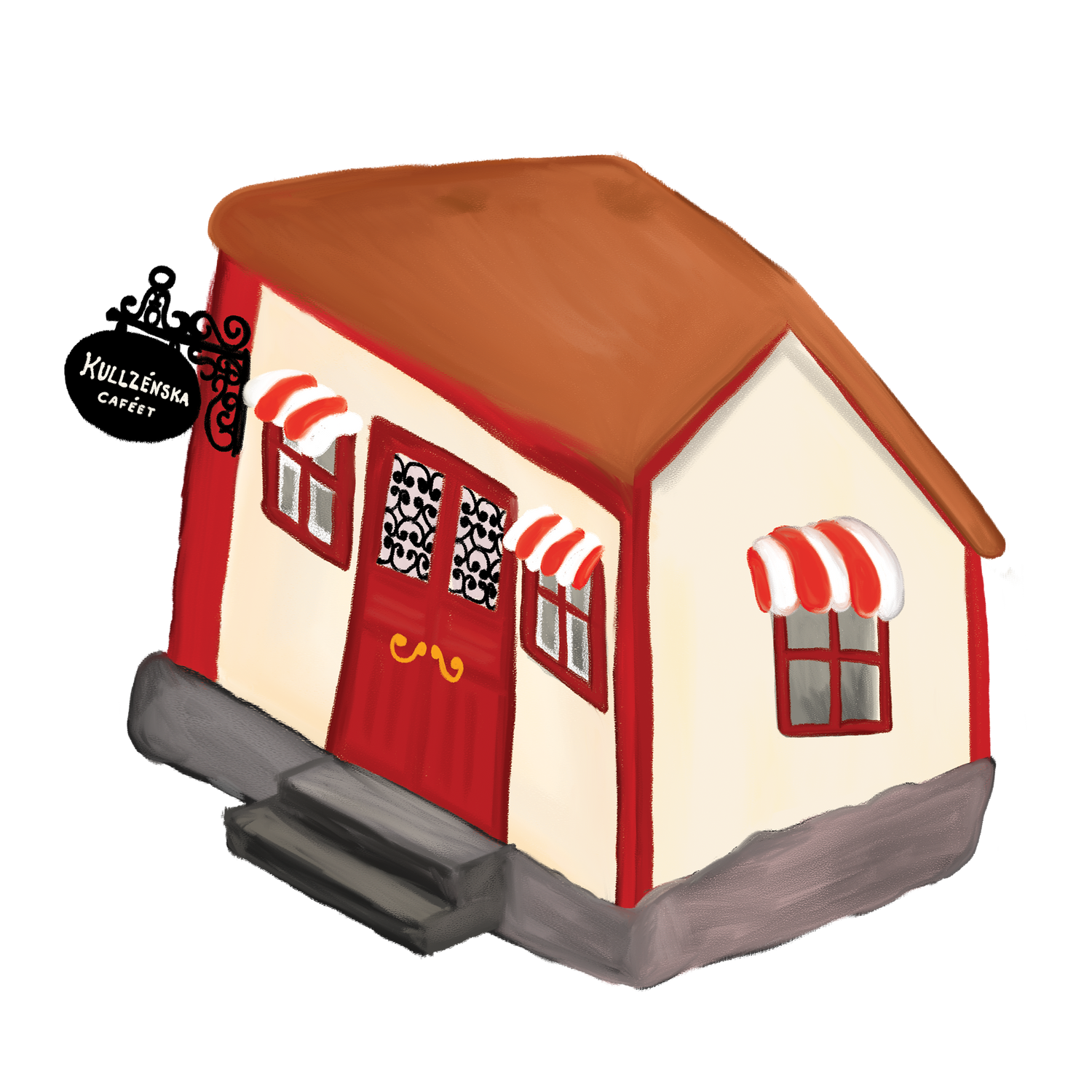
Kullzenska café is located in an 18th-century courtyard that was once home to siblings Henning and Signe Kullzén. They ran a stationery shop on the ground floor, while the upper floor – their old residence – now houses the well-known café. With preserved tiled stoves and wallpapers, coffee and pastries are served here in an environment where old Kalmar lingers.
Kalmar
Alice Babs
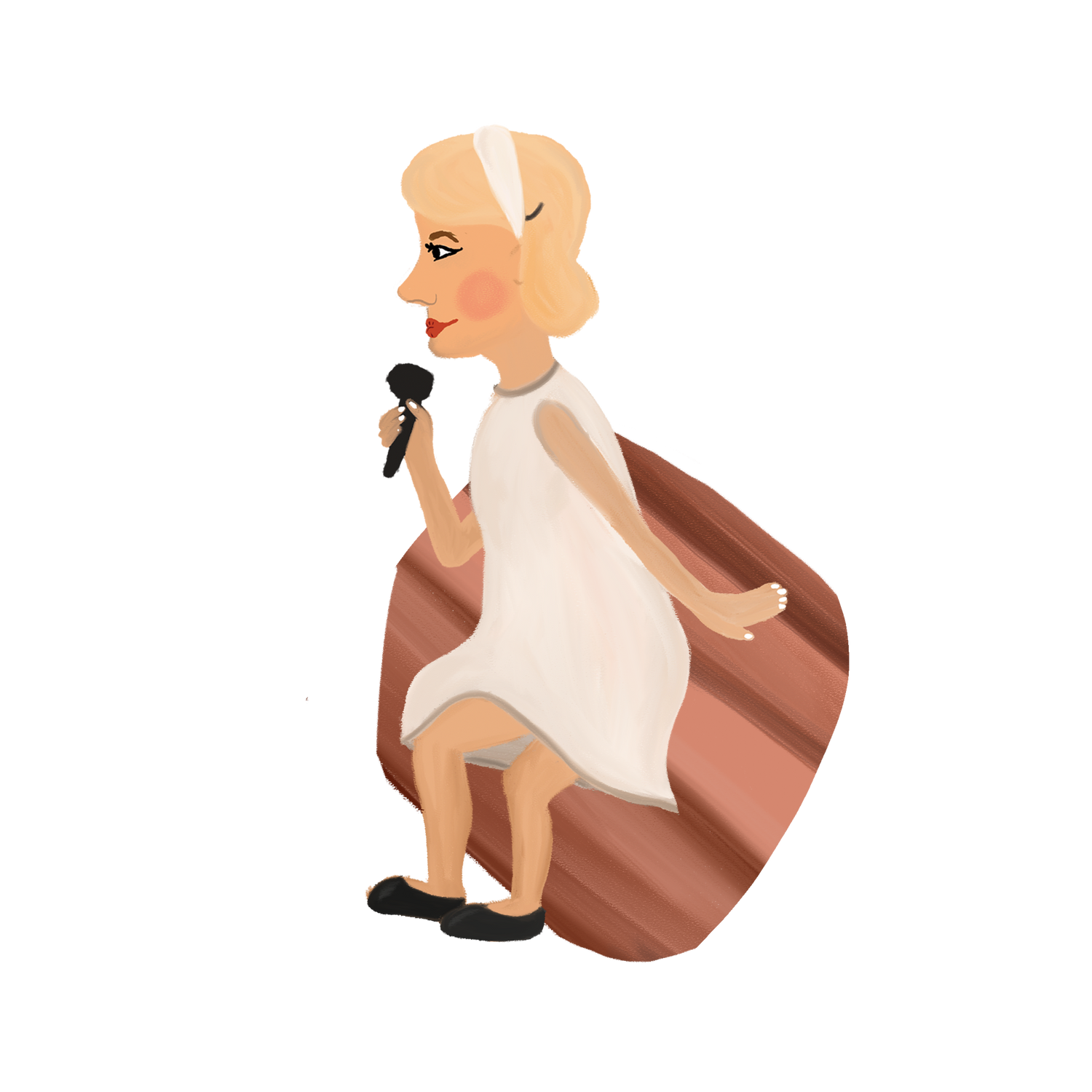
Alice Babs became one of Sweden's most beloved singers – with a voice that carried from jazz clubs to royal salons. She took her first musical steps in Kalmar, before her breakthrough in the 1940s swing wave made her a star. Her genre versatility, warmth, and stage presence have earned her a natural place in both the country's music history and Kalmar's cultural life.
Kalmar
Robert Gustafsson
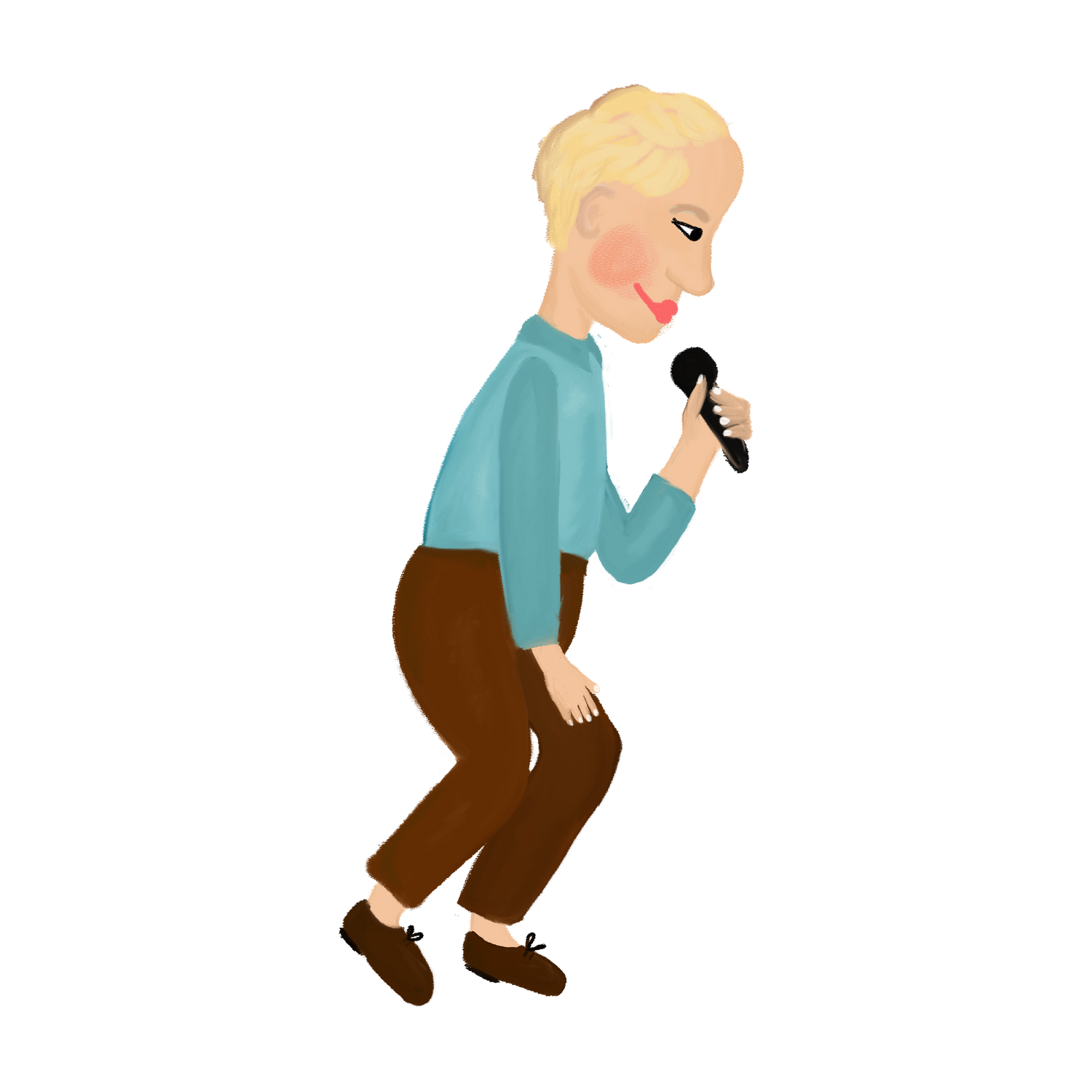
Robert Gustafsson is one of Sweden's most beloved comedians – with roots in Kalmar. He spent his summers there as a child, and the city has remained an important place in his life. Since 2008, he has run the Krusenstiernska Theatre, where he draws full houses every summer with his unique humor.
Kalmar
J-O Waldner
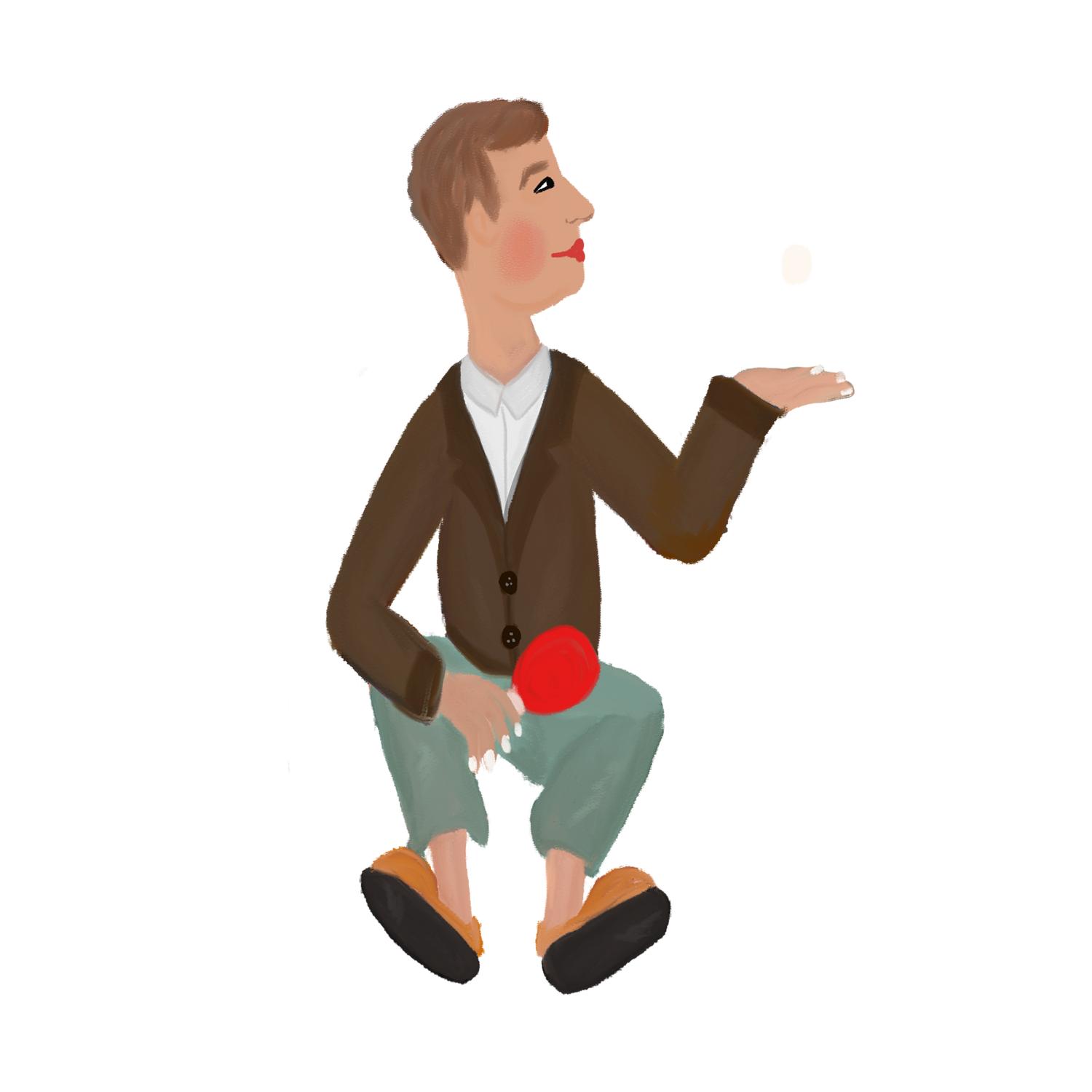
Jan-Ove Waldner is one of the greatest table tennis players of all time, with Olympic and World Championship gold medals to his name. During his eight years at Kalmar BTK, he won four Swedish Championship titles, thus having a strong connection to the city. His successes have earned him a rightful place as a source of pride and an icon both within the sport and in Kalmar.
Kalmar
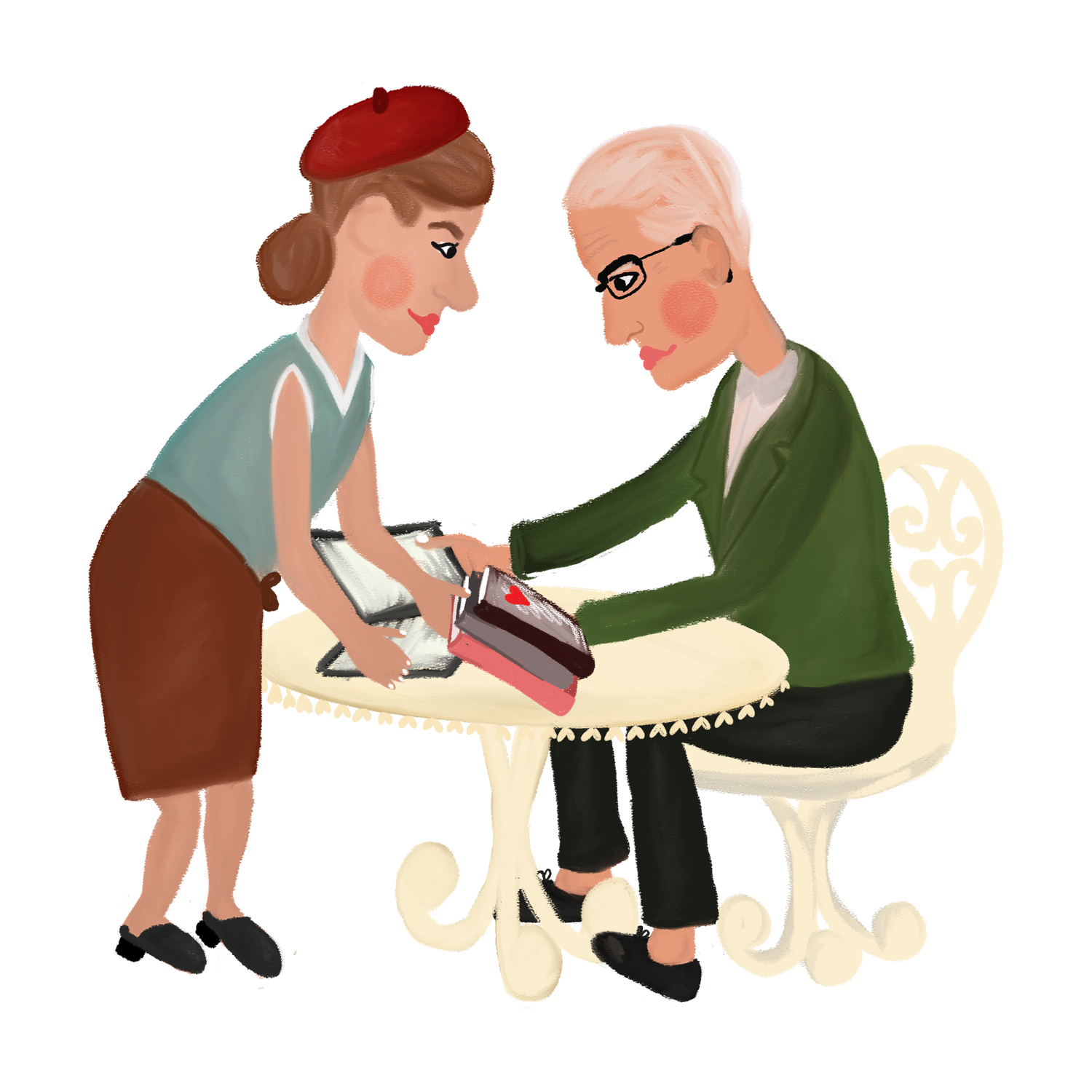
The Kullzén Siblings
Henning and Signe Kullzén left their mark on Kalmar during the 20th century. Henning, a stamp and book collector, ran an antiquarian bookshop, while Signe sold paper and meticulously set boundaries for children browsing. Together, they created their own little world on Kaggensgatan – a world that lives on today in Kullzénska Café, where their everyday lives have become part of the city's history.
Kalmar
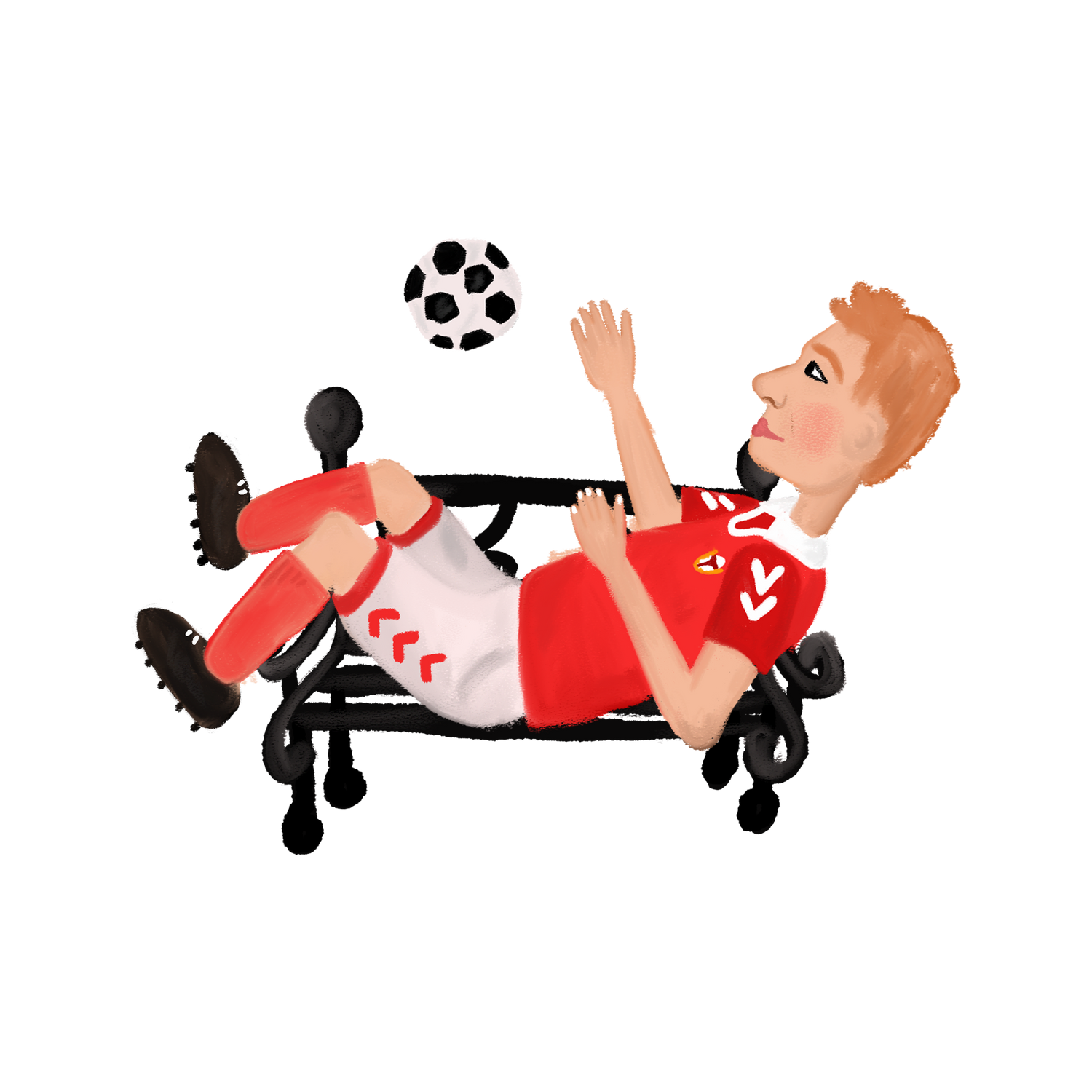
Rasmus Elm
On Fredriksskans’ pitch, one of Sweden's most talented midfielders emerged. Rasmus Elm, born in Kalmar in 1988, made his breakthrough in KFF's red and white jersey and was part of the team that won the Swedish Championship in 2008. He played for the national team and in Europe, but his heart always remained in Kalmar, where he returned and ended his career in 2019.
Kalmar
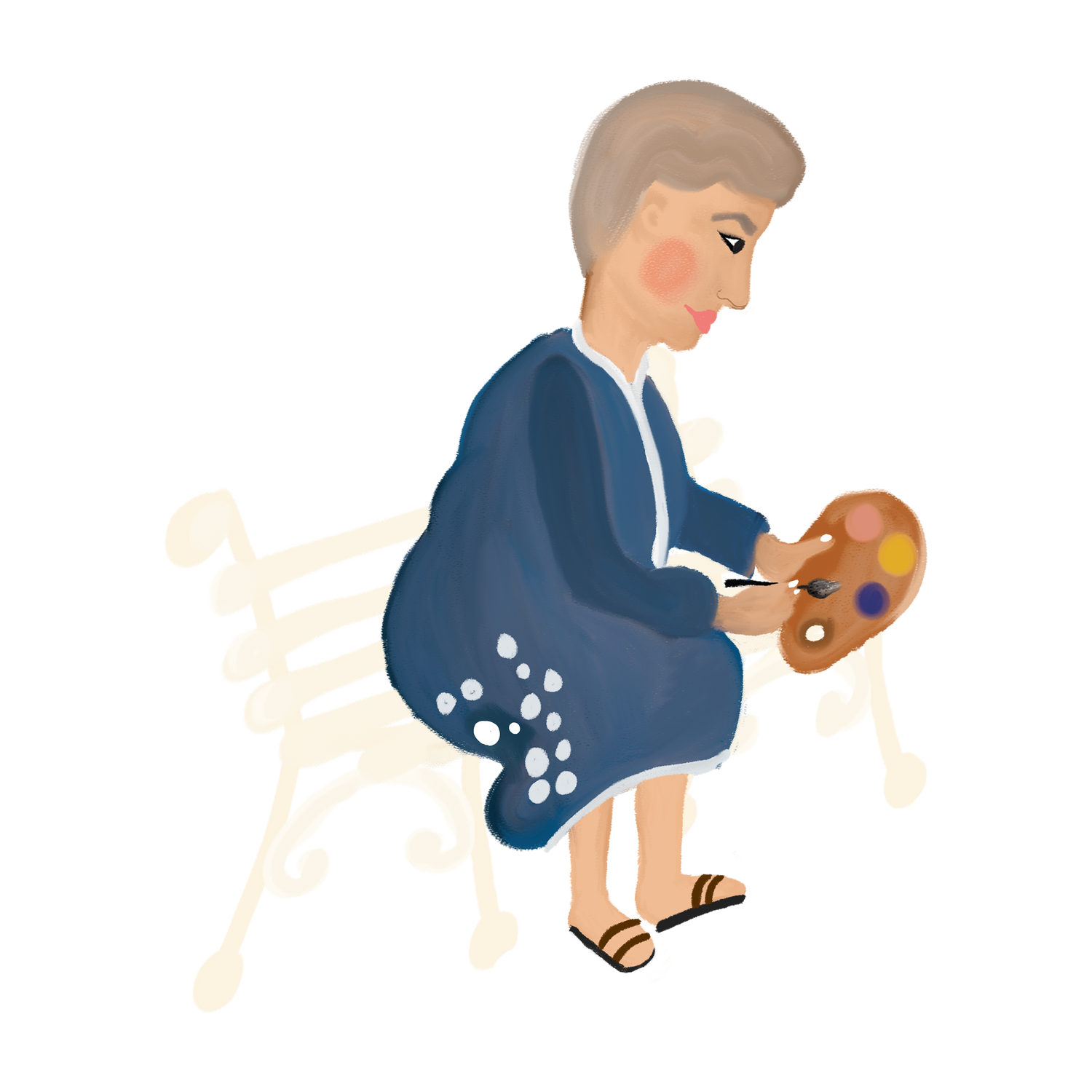
Jenny Nyström
She was born in Kalmar in 1854, with a paintbrush in one hand and the power of storytelling in the other. Jenny Nyström didn't just paint Christmas cards – she created Sweden's iconic image of Santa Claus. With roots in the city's cobblestone alleys and a special knack for everyday magic, she became one of our most beloved illustrators and an indispensable companion during Christmas.
Kalmar
Bather
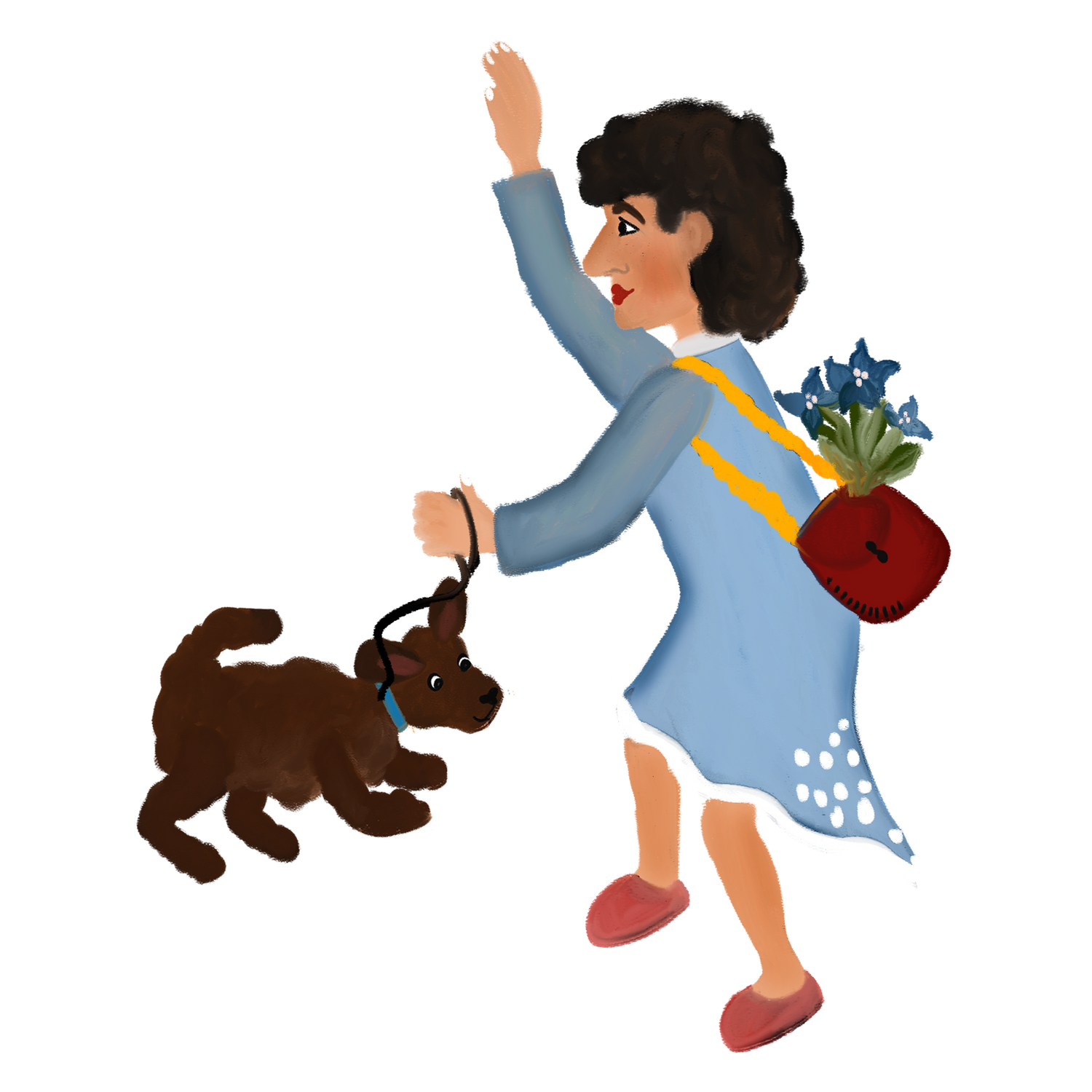
Kalmar
Woman with dogs
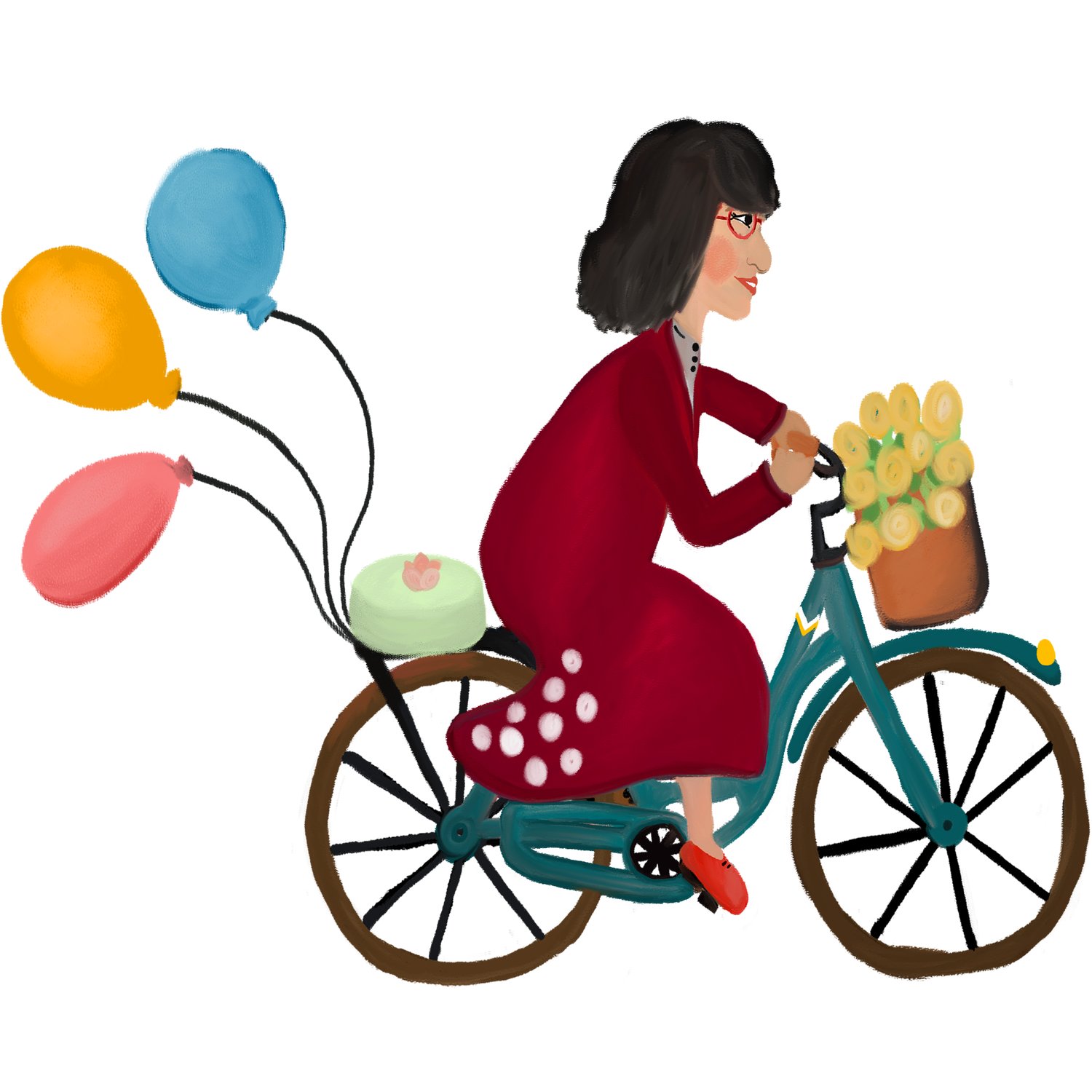
Kalmar
Birthday celebrant
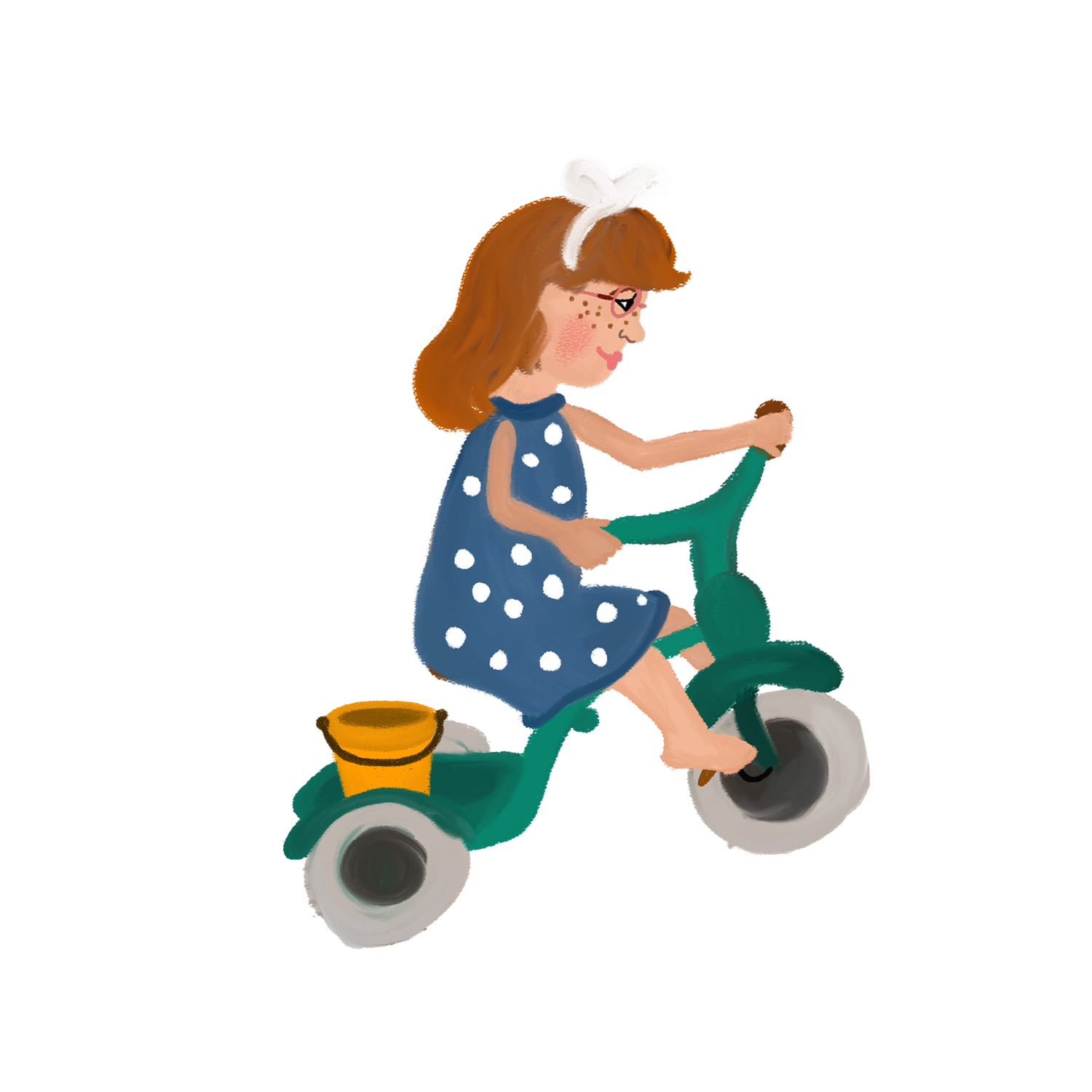
Kalmar